
Top 5 Best Cat Foods for Kidney Stones
What should a cat with kidney stones eat? Which cat food is suitable for cats with kidney stones? These are common questions among cat owners when their feline friends display abnormal urinating behaviors.
Nutrition plays a crucial role in supporting feline urinary tract health. Certain cat foods are formulated to control mineral levels, balance urine pH, or encourage cats to drink more water, making them suitable choices for daily meals.
In this article, let's learn about what cats with urinary stones should eat, important care notes, and the Top 5 cat foods for kidney stones and urinary stones that many cat owners are interested in.
Note: Kidney stones, bladder stones, and feline urinary tract diseases have various causes and stone types. Food does not replace medication or a veterinarian's treatment plan. If your cat is experiencing urinary blockage, bloody urine, pain while urinating, or inability to urinate, take them to a veterinary facility as soon as possible.
What Are Urinary Stones in Cats?
Urinary stones are a condition where crystals or minerals aggregate in a cat's urinary tract, forming in the kidneys, ureters, bladder, or urethra. Among these, stones and crystals in the bladder and urethra frequently cause difficulties for cats during urination.
Common crystal types found in cats include struvite and calcium oxalate. Each type forms under different conditions, so choosing the right food should be based on your cat's specific health status.

Feline lower urinary tract disease causes pain for cats during urination
For cats with a history of urinary stones, maintaining appropriate water intake and controlling their diet can help support long-term urinary tract health.
Therefore, when searching for food for cats with kidney stones, pet parents should not focus solely on protein content but should evaluate the overall nutritional formula, mineral balance, and the ability to help cats drink enough water.
Signs of Urinary Stones in Cats
Cats tend to hide discomfort, so signs of urinary tract disease are sometimes difficult to notice. Owners should pay close attention if their cat exhibits one or more of the following signs:
- Urinating frequently but in small amounts.
- Sitting in the litter box for a long time, straining while urinating.
- Crying or showing signs of pain while urinating.
- Urinating outside the litter box despite being litter-trained before.
- Urine with abnormal color or the presence of blood.
- Licking the genital area more often than usual.
- Dribbling urine.
- Fatigue, loss of appetite, or lethargy.

Bloody urine is a common sign when cats have urinary tract inflammation
In particular, if a cat repeatedly enters the litter box but cannot pass urine, this may be a sign of a urinary tract blockage requiring emergency veterinary care. Do not attempt home treatment solely by changing food.
Causes of Urinary Stones in Cats
Urinary stones in cats can be related to multiple factors, among which diet and fluid intake require special attention from cat owners.
1. Drinking Too Little Water
Cats naturally tend to drink little water. When water intake is insufficient, urine becomes concentrated, creating favorable conditions for mineral crystals to form. This is why increasing water intake is always a vital step in caring for cats at risk of urinary tract problems.
2. Inappropriate Diet
An unbalanced diet or one unsuited to a cat's health status can affect mineral levels and the urine environment. For cats with a history of urinary stones, owners should choose products with clear formulas suited to their cat's age and health status.
3. Overweight and Inactivity
Overweight and inactive cats face various health issues, including urinary tract conditions. Maintaining a healthy weight, encouraging regular exercise, and providing ample water are habits that should be maintained long-term.
4. Stress and Environment
Environmental changes, adding a new pet to the house, lack of private space, or a dirty litter box can cause stress in cats. Stress is also considered a contributing factor to lower urinary tract diseases in cats.
How to Treat Urinary Stones in Cats
Not every case of feline kidney stones has the same treatment approach. The treatment method depends on the location, size, composition of the stones, and the cat's overall health condition.
A veterinarian may prescribe one or a combination of methods, such as:
- Examination and urinalysis.
- Diagnostic imaging when necessary.
- Dietary adjustment.
- Increasing water intake.
- Using specialized supportive food as directed.
- Medical treatment with prescription medications in suitable cases.
- Professional surgical intervention if stones cause blockage or cannot be resolved through nutrition.
Owners should not buy medication or apply a stone-treatment diet on their own without knowing the specific type of stone the cat has.
In particular, not every food labeled "Urinary" can replace specialized veterinary prescription diets when a cat is actively ill.
What Should a Cat with Kidney Stones Eat?
When choosing food for cats with kidney stones or urinary stones, owners can prioritize products with the following features:
Mineral Control
Magnesium, phosphorus, calcium, and other minerals are involved in crystal formation in urine. Therefore, the food formula needs to be appropriately balanced rather than focusing solely on protein content.
Supporting Adequate Water Intake
Helping cats drink enough water maintains proper urine volume and reduces overly concentrated urine. Besides dry kibble, owners should provide fresh water regularly and consider adding wet food if suitable for the cat's condition.

Hydrating cats
Formula Supporting Urine Environment
Some products are designed to support urine pH maintenance and mineral balance. This is a key factor when looking for kibble for cats with kidney or urinary stones.
Suited to the Cat's Specific Condition
This is the most crucial factor. Healthy cats at risk of stones have different requirements than cats that have had or currently have stones. Therefore, if your cat is under treatment, consult a veterinarian before completely changing their daily diet.
Top 5 Foods for Cats with Kidney & Urinary Stones
Below are 5 products owners can refer to when searching for cat food for kidney stones and urinary tract health support.
1. ANF Fresh Meat Urinary – Urinary Tract Support Kibble for Cats
If you are looking for a product dedicated to urinary tract care, ANF Fresh Meat Urinary is a worthy choice to consider.
The product is developed for cats of all life stages with a formula focused on supporting urinary tract health. According to manufacturer information, the product has a balanced sodium content to encourage cats to drink more water, while the formula aims to help reduce stone formation potential.

ANF Fresh Meat Urinary kibble for cats
Some highlights:
- For cats of all life stages.
- Contains 81% protein from fresh meat, according to product information.
- Balanced sodium content to help increase water intake.
- Supports urinary tract health.
- Enriched with taurine along with various vitamins and minerals.
- Made in South Korea, manufactured by Wooriwa.
This is a suitable choice for cat owners prioritizing urinary support kibble in daily meals.
Note: ANF Fresh Meat Urinary is a nutritional support food, not a treatment medication. If your cat has stones or a urinary blockage, consult a vet before use.
2. Cat's Eye Premium – Premium Kibble Supporting Urinary Care
Cat's Eye Premium is a complete dry food for cats over 3 months old, manufactured by Wooriwa, South Korea.
A notable feature of this product is its formula focused on maintaining a mildly acidic urine environment and controlling magnesium and phosphorus—factors linked to crystal and urinary stone formation.

Cat's Eye Premium kibble for cats
Besides urinary care, Cat's Eye Premium features:
- Pork-free formula.
- Animal protein from chicken.
- Gluten-free.
- Taurine and L-carnitine supporting heart health.
- Dietary fiber assisting in hairball control.
- IgY, propolis, and seaweed extract supporting dental care.
With its comprehensive care formula, Cat's Eye Premium can be considered for cats needing a daily diet combining multiple health targets, including urinary tract care.
3. Velixer Cat F1/F – Specialized Food Supporting Urinary Tract Health
If you are looking for food for cats with kidney stones or urinary tract issues, Velixer Cat F1/F is a product worth exploring and using. Velixer Cat F1/F is developed to support urinary tract, skin, dental issues, and obesity control in cats.

Velixer Cat F1/F kibble for cats
The product belongs to specialized formula foods, suitable for owners to consult when their cat needs a more targeted nutritional diet rather than general kibble. However, for cats currently suffering from urinary stones or undergoing treatment, owners should consult a vet before use to ensure the formula suits the specific stone type and condition.
4. Today's Care Cat – Golden Standard Nutrition Supporting Digestion & Urinary Health
Today's Care Cat is a dry food line for adult cats, manufactured in Vietnam using Swiss Bühler technology. The product is developed toward comprehensive health care. The formula is supplemented with Cranberry, Omega-3, and amino acids, introduced with benefits to support urine pH balance and bladder care. The product also adds probiotics and dietary fiber to aid digestion.

Today's Care Cat kibble for cats
Some highlights:
- For adult cats over 12 months old.
- Crude protein ≥ 32%.
- Enriched with Omega-3 and Omega-6.
- Contains Cranberry.
- Added PetGermina® SNZ 1969 probiotics.
- Supports digestion and urinary care.
- Manufactured in Vietnam using Swiss Bühler technology.
Today's Care Cat is suitable for owners seeking adult cat kibble for comprehensive health care while attending to digestion and urinary tract health.
5. Wonder Cat – Nutritional Kibble Supporting Feline Urinary Health
Wonder Cat is a dry cat food line delivering balanced nutrition to support overall vitality. Notably, the product formula combines DL-Methionine and minerals to help maintain urine pH, thereby supporting kidney and urinary health.

Wonder Cats kibble for cats
Some highlights of Wonder Cat:
- DL-Methionine and minerals: help maintain urine pH and care for kidney-urinary health.
- Taurine 2,500 mg/kg: supports vision and heart health.
- Dietary fiber: supports hairball control and passage.
- Omega-3 & Omega-6: support healthy skin and a shiny coat.
- Vitamin C: supports oral health.
- FOS: supports gut microflora.
- Yucca extract: helps reduce stool odor.
- Kibble size approx. 8 mm, suited to feline eating preferences.
Thanks to a formula combining various nutrients, Wonder Cat can be considered a supportive daily kibble for cat urinary health.
Note: Wonder Cat is a supportive nutritional food, not a specialized therapeutic food for urinary stones. If your cat has been diagnosed with kidney stones, bladder stones, or urinary blockage, consult a vet to choose a diet suitable for their specific stone type and health condition.
Quick Comparison Table of 5 Products
Product | Main Focus | Target Audience |
ANF Fresh Meat Urinary | Urinary tract support | Cats of all ages |
Cat's Eye Premium | Urinary, heart, dental, & hairball care | Cats over 3 months |
Velixer Cat F1/F | Specialized urinary formula | Cats needing a specialized diet |
Today's Care Cat | Comprehensive nutrition, digestion & urinary support | Adult cats |
Wonder Cats | Maintains urine pH, supports kidney & urinary care | Cats of all ages |
Important Care Notes for Cats with Kidney & Urinary Stones
Choosing the right food for cats with kidney stones is one part of care, but owners should also pay attention to other factors.
1. Always Provide Clean Water
Arrange multiple water bowls in places your cat frequently visits. Some cats prefer drinking from running taps or water fountains over traditional bowls.
2. Consider Combining Wet Food
Wet food generally has higher water content than dry kibble, which can help increase fluid intake. However, combining food types and their ratio should still depend on individual nutritional needs.
3. Avoid Switching Foods Frequently
When cats face urinary issues, constantly changing diets can make it hard for their digestive system to adapt. Transition food gradually and monitor your pet's reaction.
4. Check the Litter Box Daily
The litter box is where owners can detect early abnormal signs. Pay attention to urination frequency, urine volume, color, and behavior during urination.
5. Do Not Attempt Home Treatment During Urinary Blockage
If your cat strains to urinate without producing urine, cries in pain, is exhausted, or shows severe abnormal signs, do not wait for food to take effect. This can be an emergency requiring immediate veterinary intervention.
What Kibble Should a Cat with Kidney Stones Eat?
When looking for food for cats with kidney stones, owners should prioritize products with clear formulas, balanced mineral content, and targeted urinary health support.
Among the 5 options above, ANF Fresh Meat Urinary and Velixer Cat F1/F are two specialized options for the urinary tract; Cat's Eye Premium focuses on urinary care along with overall health needs; while Today's Care Cat aims for comprehensive nutrition alongside urinary support.
Most importantly, if your cat has been diagnosed with kidney stones, bladder stones, or urinary stones, identify the specific stone type and consult a vet before selecting a diet. No single kibble fits every feline urinary condition.
Are you looking for food for a cat with kidney stones? Choose a product suitable for your cat's condition, supply sufficient water, and monitor daily urination to better care for their urinary health.
How To Transition Cat Food: A 7–Day Schedule to Prevent Digestive Upset
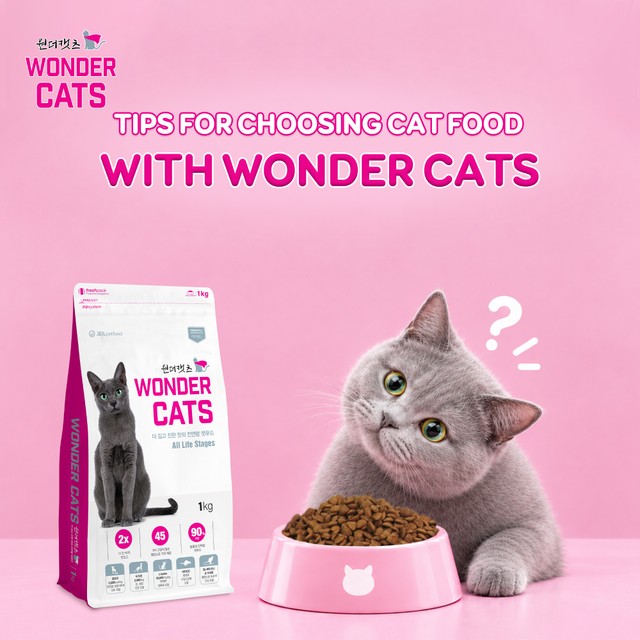
Cat Nutrition: How to Choose the Right Dry Cat Food with Wonder Cats
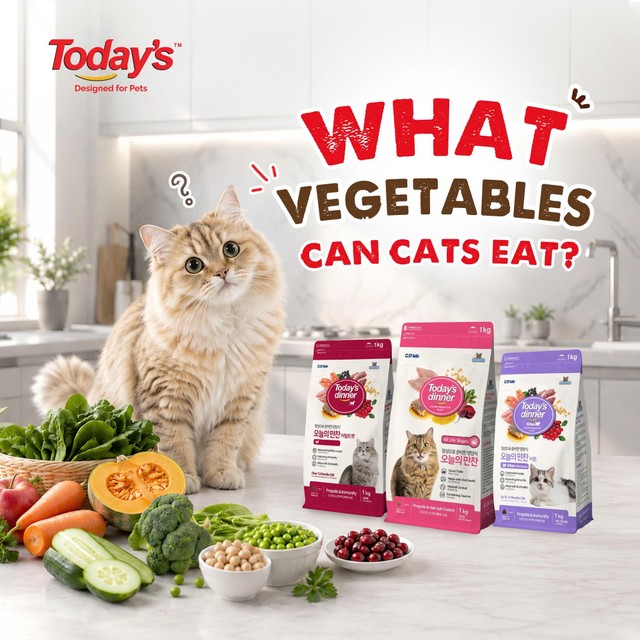
What Vegetables Can Cats Eat? 7 Safe Vegetables to Add Fiber to Your Cat’s Diet


Affordable Cat Litter: Safe, Effective Odor Control, and Budget-Friendly Options

Best Cat Food for Sensitive Stomach & Food Allergies: Top 5 Healthy Choices for Your Cat

Dog Obesity: Causes, Symptoms & Effective Weight Loss Tips
Is Catsrang Cat Food Good? A Complete Review of This Popular Dry Cat Food
Kidney Failure in Dogs: Symptoms, Causes, and the Best Nutritional Support

ALO – A trusted Vietnamese pet food brand

Wellsome – 100% Insect Protein Pet Food Leading the Green Nutrition Trend for Pets
Why Do Cats Get Hairballs? Signs, Causes, and Effective Prevention Tips


_1765521313.png&w=640&q=90)