What Vegetables Can Cats Eat? 7 Safe Vegetables to Add Fiber to Your Cat’s Diet
What vegetables can cats eat? This is a common question among cat owners, especially those looking to add more fiber to their cat’s diet or support healthy digestion.
Although cats are obligate carnivores, some vegetables can be safely added in small amounts when properly prepared. So, what vegetables can cats eat, which vegetables are suitable, and how can you add fiber to your cat’s diet safely? Let’s find out.
Benefits of Fiber for Cats
Fiber is not a primary nutrient for cats, but an appropriate amount can support digestive health and normal elimination.
Supports Healthy Digestion
Fiber can support intestinal function and help maintain healthy digestion. This is why many cat owners look for high-fiber cat food when they want to support their cat’s digestive health.
Helps Manage Hairballs
Cats naturally groom themselves by licking their fur, which means they may swallow some hair. An appropriate amount of fiber in the diet can support the passage of swallowed hair through the digestive tract.
However, if your cat frequently vomits hairballs, vomits excessively, or shows other unusual symptoms, consult a veterinarian instead of simply increasing fiber intake.
Supports Regular Bowel Movements
Some types of fiber can retain water and help add bulk to stool, supporting normal elimination.
However, fiber is not a treatment for constipation. If your cat frequently suffers from constipation, has difficulty passing stool, or shows signs of abdominal pain, the underlying cause should be identified and veterinary advice should be sought.
What Vegetables Can Cats Eat? 7 Safe Vegetables for Cats
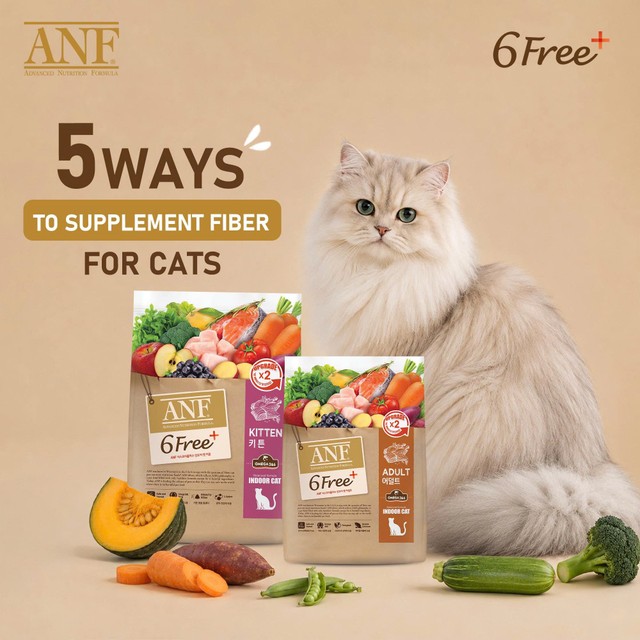
If you are looking for vegetables for cats to add to their diet, the following seven vegetables can be offered in small amounts when properly prepared.
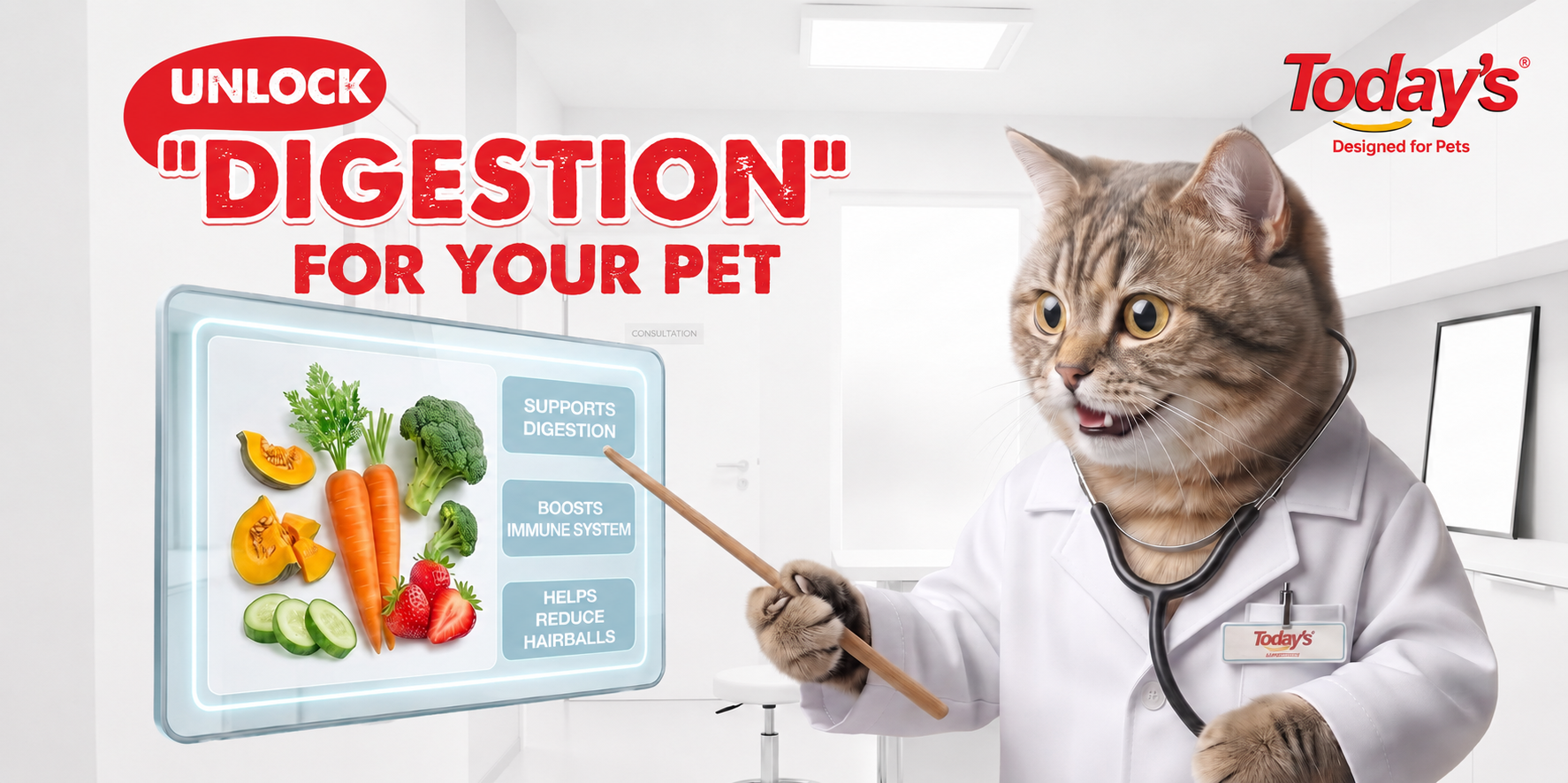
1. Pumpkin
Can cats eat pumpkin? Yes. Pumpkin is one of the vegetables commonly chosen to add fiber to a cat’s diet.
Pumpkin contains fiber and water, which can support healthy digestion when given appropriately.
The easiest way to prepare pumpkin for cats is to steam or boil it and then mash it. Do not add sugar, salt, butter, milk, or seasonings.
If your cat has never eaten pumpkin before, start with a very small amount and monitor their digestive response.
2. Carrots
Cats can eat small amounts of carrots when they are prepared properly.
Carrots provide fiber as well as some vitamins and minerals. However, avoid giving cats large pieces of raw carrot, as they may be difficult to chew.
It is best to steam or boil carrots until soft, then chop or mash them before mixing them with your cat’s regular food.
3. Broccoli
Broccoli can be offered to cats in small amounts as an occasional vegetable addition.
When preparing broccoli for cats, steam or boil it until cooked, then cut it into small pieces to make it easier to eat.
Avoid giving your cat too much broccoli at once, as excessive amounts of vegetables may cause digestive discomfort.
4. Zucchini
Zucchini contains water and some fiber and becomes soft when cooked.
Wash the zucchini thoroughly, cut it into small pieces, and steam or lightly boil it before serving. You can also mash it and mix it with your cat’s regular food to make it easier for your cat to accept.
5. Green Beans
Green beans for cats can be given in small amounts when properly cooked and served without seasoning.
Green beans provide fiber and other nutrients and can help add variety to a cat’s diet.
Boil or steam them, allow them to cool, and then cut them into small pieces. If using canned green beans, check the ingredients carefully, as many products contain added salt or other additives.
6. Sweet Potatoes
Sweet potatoes contain fiber and can be given to cats in small amounts.
When feeding sweet potatoes to cats, boil or steam them and mash them thoroughly. Do not give cats fried sweet potatoes or sweet potato dishes containing sugar, butter, milk, or seasonings.
Sweet potatoes should only be an occasional addition and cannot replace animal-based protein in a cat’s diet.
7. Peas
Peas contain fiber and other nutrients and can be mashed or mixed with food to make them easier for cats to eat.
However, cats should not eat large amounts of peas. The purpose of adding vegetables is to complement the diet, not to make vegetables a major part of a cat’s meals.
Vegetables Cats Should Not Eat
Besides knowing what vegetables cats can eat, cat owners should also know which vegetables should be avoided. Some plants contain compounds that can be harmful to cats, especially when consumed in large amounts or improperly prepared.
Onions and Garlic
Onions, green onions, leeks, garlic, and other foods from the Allium family should be completely avoided in a cat’s diet.
Compounds found in these plants can damage red blood cells, potentially leading to anemia and symptoms such as tiredness, weakness, or loss of appetite.
Be especially careful with human food, as onions and garlic are commonly found in sauces, broths, and seasonings.
Green Tomatoes and Tomato Stems and Leaves
Green tomatoes, tomato stems, and leaves contain glycoalkaloids such as solanine, which can affect a cat’s digestive and nervous systems.
If consumed, cats may experience symptoms such as abdominal discomfort, vomiting, diarrhea, or neurological problems.
Raw Potatoes
Raw potatoes, especially the skin and green parts of potatoes, may contain solanine and other glycoalkaloids. These compounds can irritate the digestive system and may be harmful to cats.
Therefore, cats should not be given raw potatoes, potato skins, or potatoes that have turned green.
Vegetables Prepared with Seasonings
Even vegetables that are generally safe for cats may become unsuitable when prepared with human ingredients.
Do not give cats vegetables containing:
- Salt or sugar
- Onions or garlic
- Sauces or dipping sauces
- Butter or excessive oil
- Spicy or heavily seasoned ingredients
For this reason, vegetables for cats should be prepared as simply as possible.
How to Add Fiber to Your Cat’s Diet Safely
Adding fiber to a cat’s diet does not mean feeding them as many vegetables as possible. Keep the following tips in mind:
Start with Small Amounts
If your cat has never eaten vegetables before, start with a very small amount and monitor their response.
Sudden dietary changes can cause bloating, diarrhea, or a reduced appetite for their regular food.
Choose Cooked Vegetables
Steaming or boiling is preferable to frying, stir-frying, or adding seasonings.
After cooking, chop or mash the vegetables so they are easier for your cat to eat.
Do Not Replace Regular Cat Food with Vegetables
Cats need animal-based protein and other essential nutrients that vegetables cannot provide in sufficient amounts. Therefore, complete and balanced cat food should remain the main source of nutrition.
Monitor Your Cat’s Response
After introducing a new vegetable, monitor your cat’s stool, appetite, vomiting, and any other unusual symptoms.
If your cat has persistent digestive problems or recurring constipation, consult a veterinarian rather than simply increasing fiber intake.
Convenient Fiber Support with Today’s Dinner Cat Food
Preparing fresh vegetables for cats can take time. Cat owners need to select the ingredients, wash and cook them, chop or mash them, and determine an appropriate serving amount.
Therefore, in addition to fresh vegetables, choosing cat food with a balanced nutritional formula can make daily feeding more convenient.
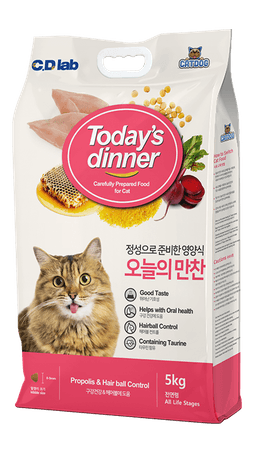
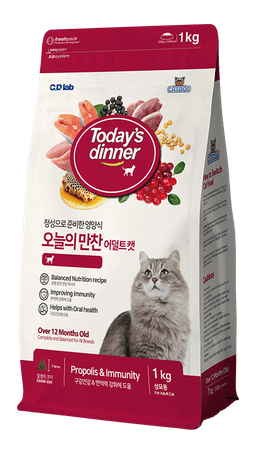
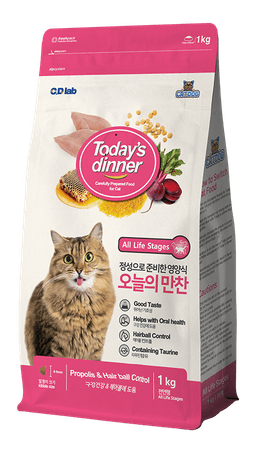
Today’s Dinner is a dry cat food formulated with balanced nutrition, combining animal-based protein with vitamins, minerals, amino acids, and fiber to support a cat’s daily nutritional needs.
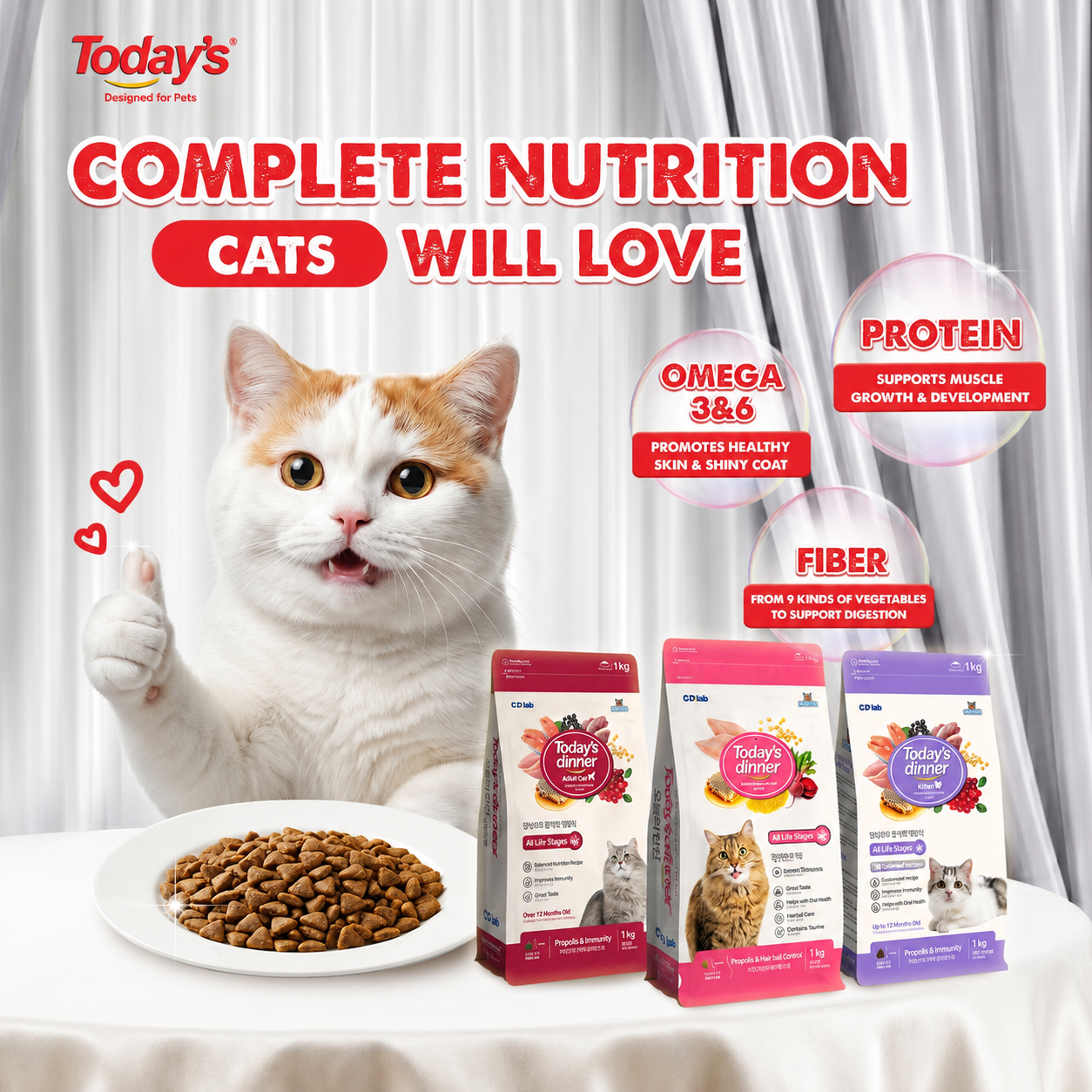
The formula uses animal-based protein sources such as salmon, chicken, and duck, combined with nutrients including Taurine, Omega-3 & Omega-6, L-Lysine, vitamin E, vitamin C, and minerals. This balanced approach provides a range of essential nutrients rather than focusing on a single nutritional component.
Today’s Dinner also contains plant-based fiber, supporting healthy digestion and the natural elimination of swallowed hair. This can be particularly beneficial for cats that frequently groom themselves or are prone to hairball formation.
Instead of relying solely on homemade vegetables, cat owners can combine fiber-containing cat food with a balanced diet to support their cat’s daily nutritional needs.
Conclusion
So, what vegetables can cats eat? Some common options that can be offered in small amounts include pumpkin, carrots, broccoli, zucchini, green beans, sweet potatoes, and peas.
Vegetables can provide additional fiber and add variety to a cat’s diet, but they cannot replace the main source of nutrition.
If you want to add fiber to your cat’s diet more conveniently, you can combine small amounts of suitable vegetables with complete and balanced cat food, such as Today’s Dinner, as part of your cat’s daily diet.


Affordable Cat Litter: Safe, Effective Odor Control, and Budget-Friendly Options
Best Cat Food for Sensitive Stomach & Food Allergies: Top 5 Healthy Choices for Your Cat

Dog Obesity: Causes, Symptoms & Effective Weight Loss Tips
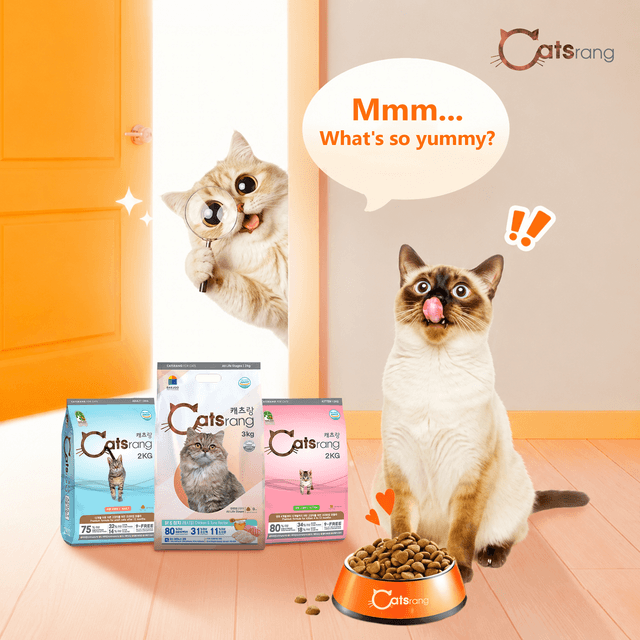
Is Catsrang Cat Food Good? A Complete Review of This Popular Dry Cat Food

Kidney Failure in Dogs: Symptoms, Causes, and the Best Nutritional Support

ALO – A trusted Vietnamese pet food brand

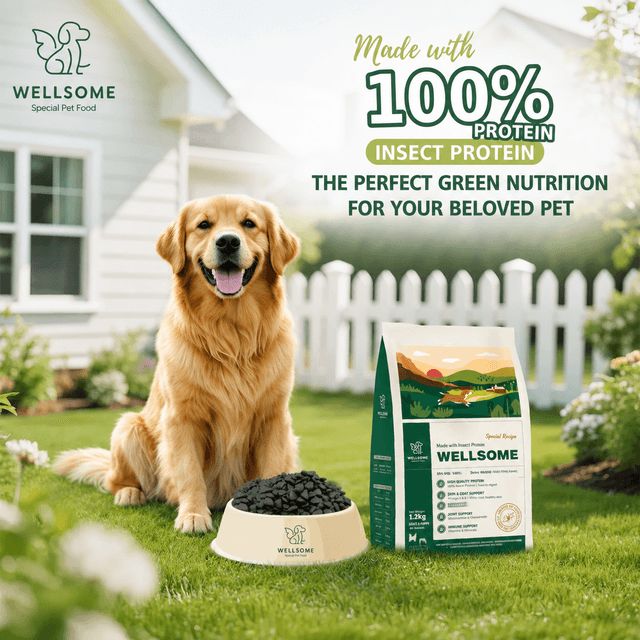
Wellsome – 100% Insect Protein Pet Food Leading the Green Nutrition Trend for Pets
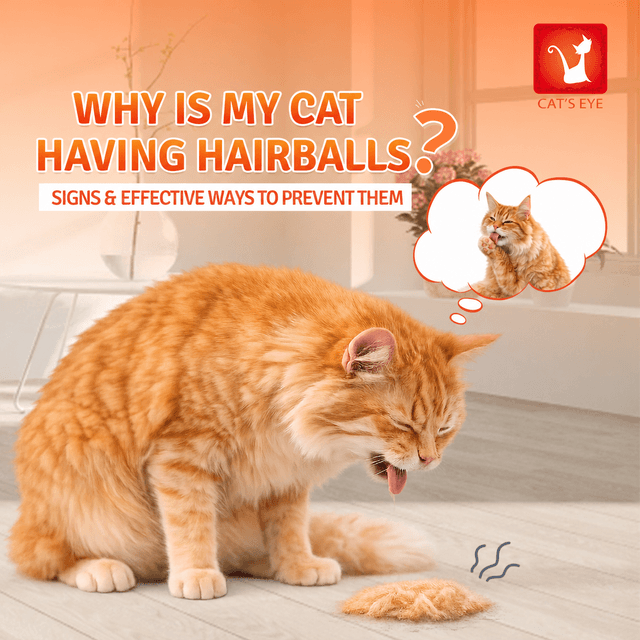
Why Do Cats Get Hairballs? Signs, Causes, and Effective Prevention Tips


_1765521313.png&w=640&q=90)
Decoding the Ingredient List of Cat Kibble with Wonder Cats
_1762999038.jpg&w=640&q=90)