Why Do Cats Get Hairballs? Signs, Causes, and Effective Prevention Tips
Hairballs are a familiar issue for most cat owners, especially for long-haired cats or indoor cats. Many pet parents consider vomiting hairballs a normal behavior until their cat starts eating less, becoming tired, or experiencing serious digestive problems.
So, what exactly are cat hairballs? Why do cats get hairball blockages, and how can you prevent them effectively from an early stage? Let’s explore the answers in the article below.
What Are Cat Hairballs?
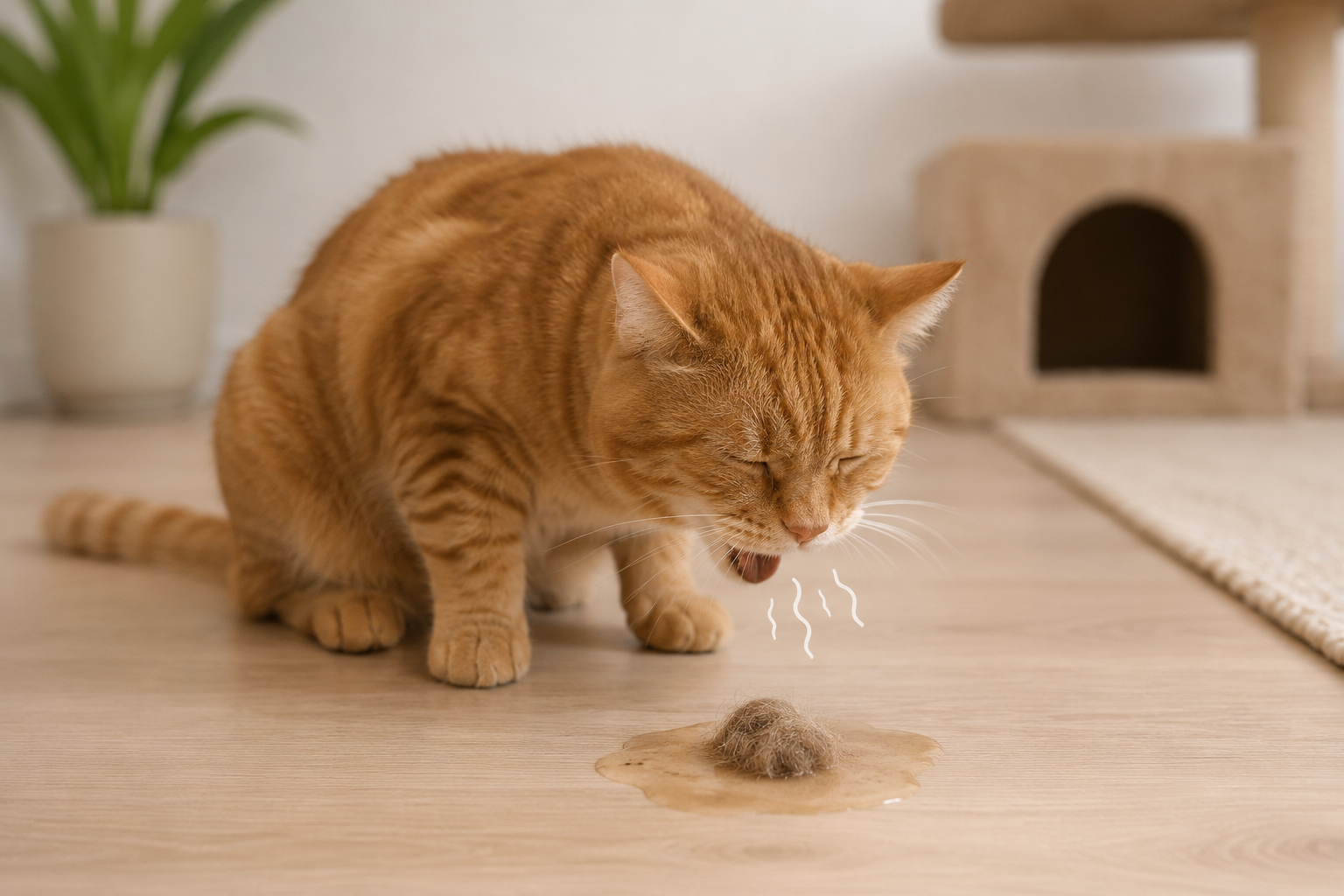
A hairball is a clump of swallowed fur that forms inside a cat’s stomach or digestive tract. During self-grooming, cats naturally lick their fur and accidentally swallow loose hair.
Normally, this swallowed hair passes through the digestive system and leaves the body through stool. However, when too much hair accumulates or the digestive system cannot process it effectively, the hair can become trapped and form a hairball, causing digestive issues.
Why Do Cats Get Hairball Blockages?
Hairball blockages in cats can happen for several reasons, including:
Excessive Shedding
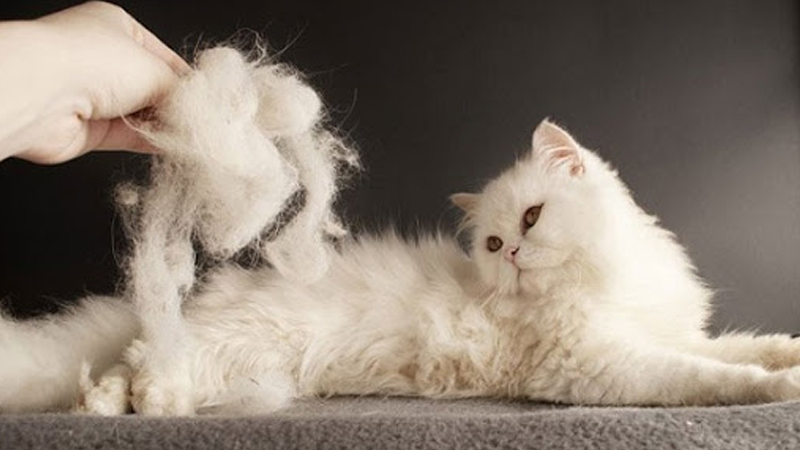
Cats that shed heavily, especially during seasonal shedding periods, long-haired cats, or cats that are not brushed regularly, are more likely to swallow large amounts of fur. This increases the risk of hairball formation.
Poor Digestive Function
When intestinal movement slows down, swallowed hair may not move through the digestive tract properly and can remain trapped in the stomach or intestines.
Lack of Dietary Fiber
A diet lacking fiber can make it harder for cats to eliminate swallowed hair, causing fur to accumulate and form clumps.
Lack of Physical Activity
Indoor cats with limited movement may have slower digestion compared to active cats, increasing the likelihood of hairball-related problems.
Signs Your Cat Has Hairballs
Hairball problems may not show obvious symptoms in the early stages, making them easy for owners to overlook or mistake for normal digestive issues.
However, by paying attention to your cat’s daily habits, you can identify early warning signs such as:
- Frequent dry heaving or vomiting hairballs
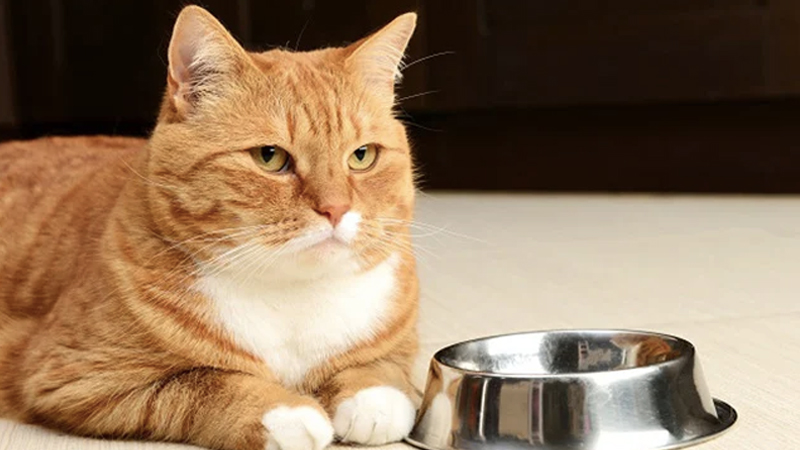
- Loss of appetite or eating less than usual
- Constipation or difficulty passing stool
- Bloated abdomen, tiredness, or reduced activity
- Coughing or gagging as if something is stuck in the throat
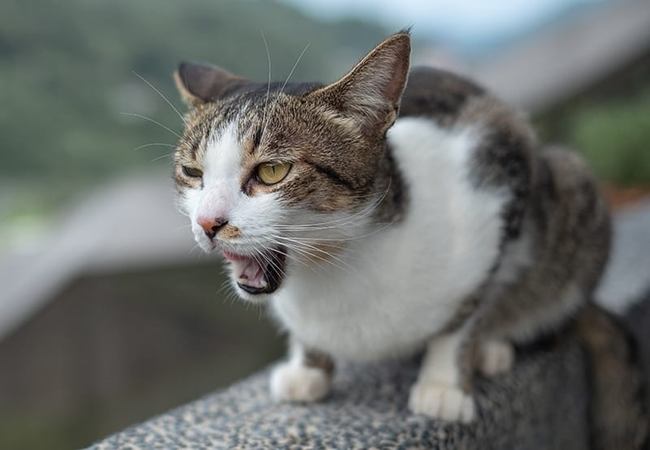
If these symptoms continue, your cat may be at risk of intestinal blockage and requires timely veterinary attention.
What To Do When Your Cat Has a Hairball Blockage
When you notice signs related to hairballs, do not ignore them. Early and proper treatment can help reduce hair accumulation in the digestive system and prevent serious complications.
Here are the steps you should take:
- Monitor your cat’s eating habits, bathroom routine, and activity level
- Brush your cat regularly to reduce the amount of swallowed fur
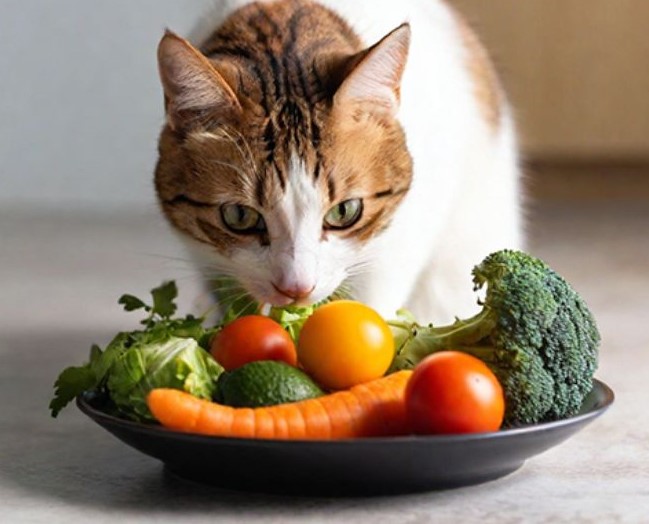
- Provide enough water and fiber-rich food to support digestion
- Visit a veterinarian if your cat vomits repeatedly, refuses food, has a hard swollen belly, or shows signs of abdominal pain
Timely intervention helps your cat recover faster and minimizes the risk of dangerous digestive complications.
How To Prevent Hairballs in Cats
Prevention is always better than treatment. Cat owners should pay attention to their cat’s health and take simple daily steps to reduce hairball risks:
- Regular brushing: Helps remove loose fur before your cat swallows it during grooming.
- Encourage physical activity: Movement supports healthy digestion and helps the body eliminate swallowed hair naturally.
- Choose fiber-enriched nutrition: Natural fiber sources can support daily hairball elimination safely and effectively.
To reduce hairball formation, it is important to support cats in two steps: controlling hair loss and improving natural elimination.
- Hair care support: Omega-3 and Omega-6 fatty acids help maintain healthy skin, strengthen hair follicles, and reduce excessive shedding. By controlling the amount of loose fur, cats swallow less hair during grooming, lowering the risk of hairball formation.
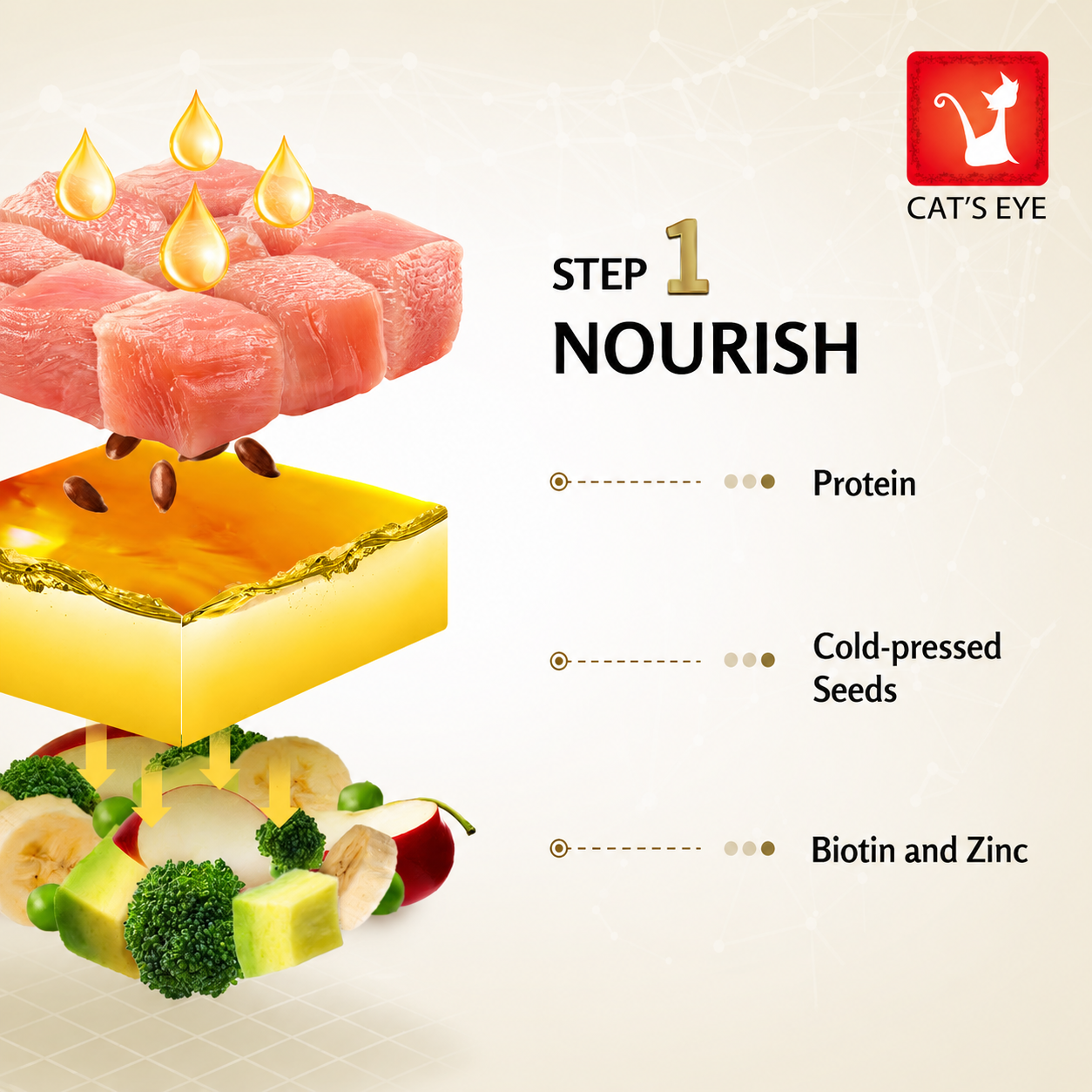
- Digestive support: Natural fiber from beet pulp helps improve intestinal movement, allowing excess hair to move through the digestive system and be eliminated naturally.
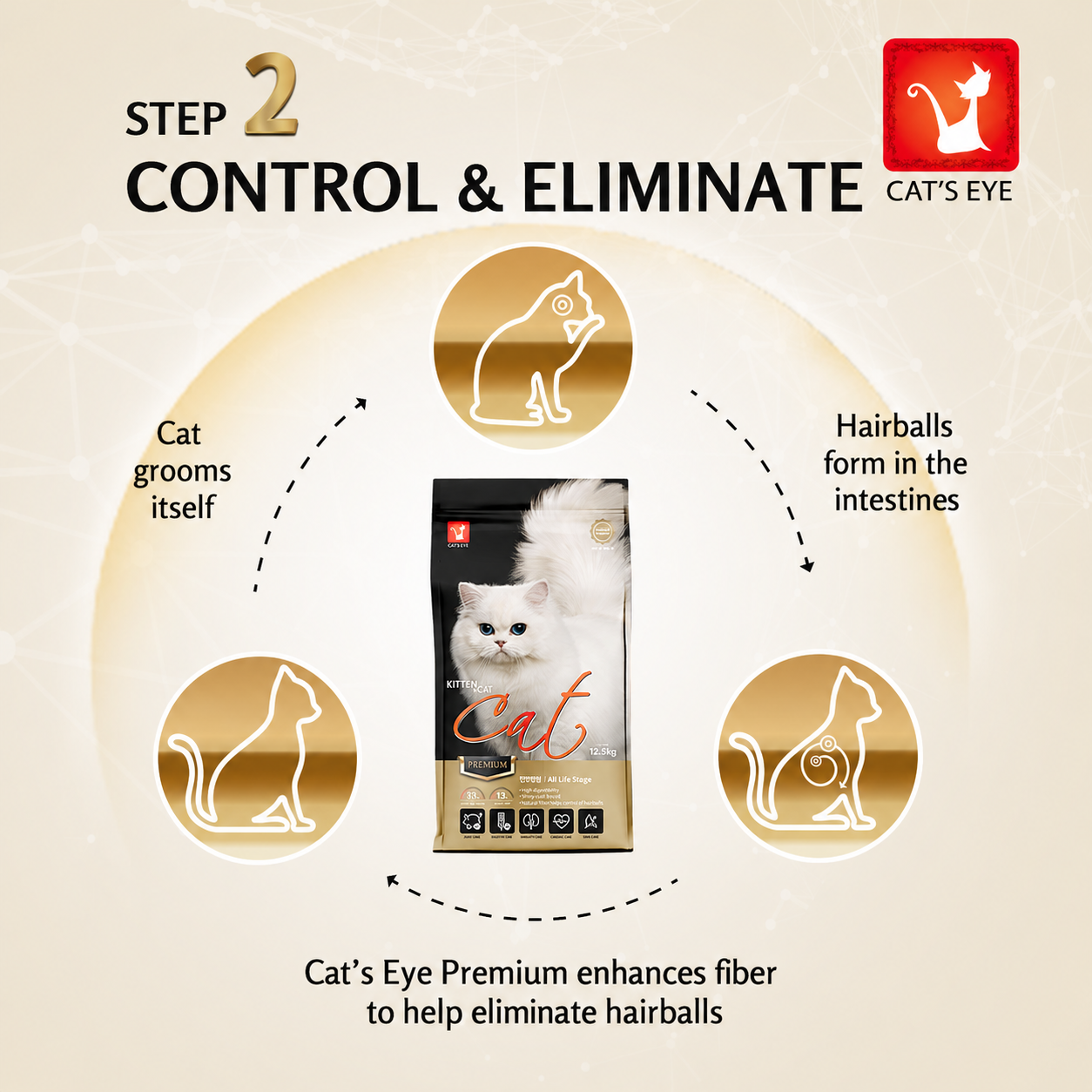
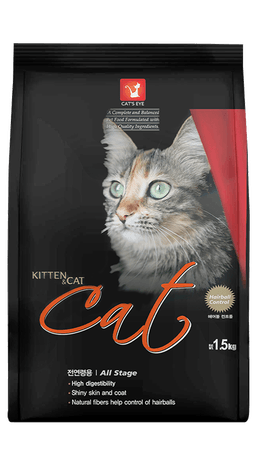
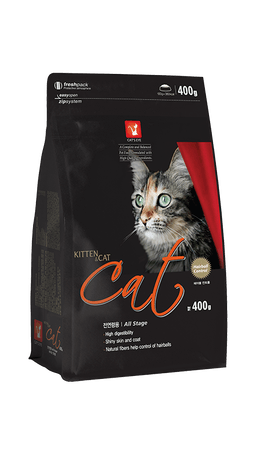
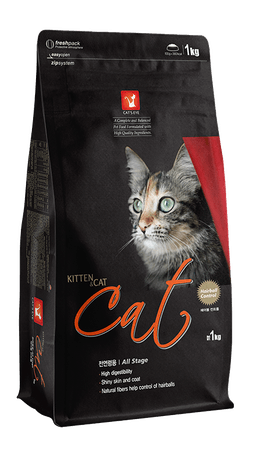
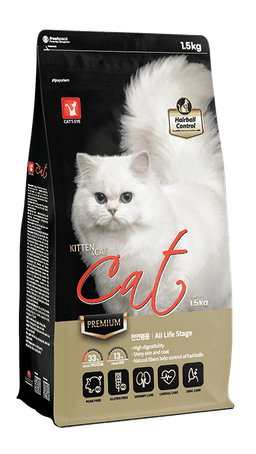
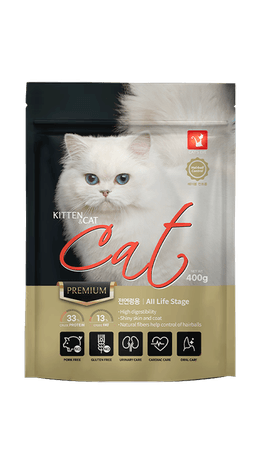
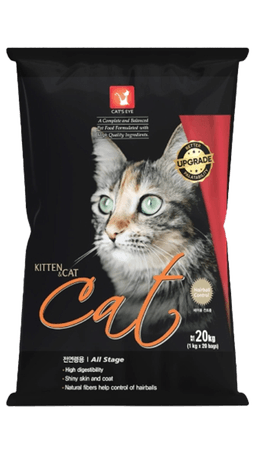
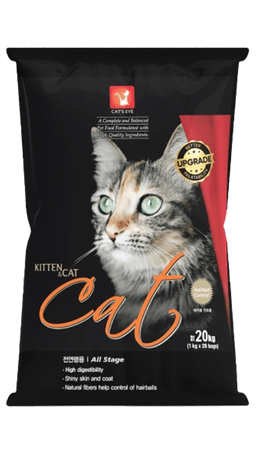
With a combination of external care and internal digestive support, Cat’s Eye provides a comprehensive solution to support digestive health, reduce hair accumulation, and help minimize the risk of hairball blockages in cats.
Conclusion
Hairballs are common in cats but can become a serious digestive problem if not properly managed. Regular grooming, proper nutrition, sufficient hydration, and digestive support can help reduce hairball formation and keep your cat healthier and more comfortable every day.



What Vegetables Can Cats Eat? 7 Safe Vegetables to Add Fiber to Your Cat’s Diet
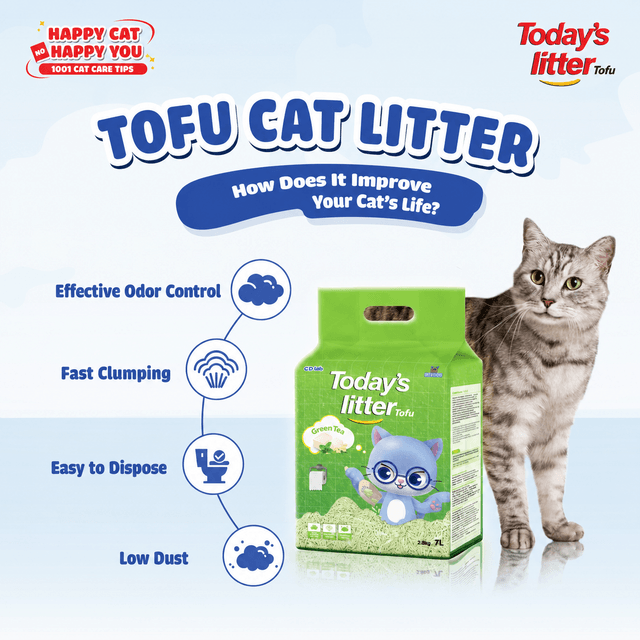
Affordable Cat Litter: Safe, Effective Odor Control, and Budget-Friendly Options
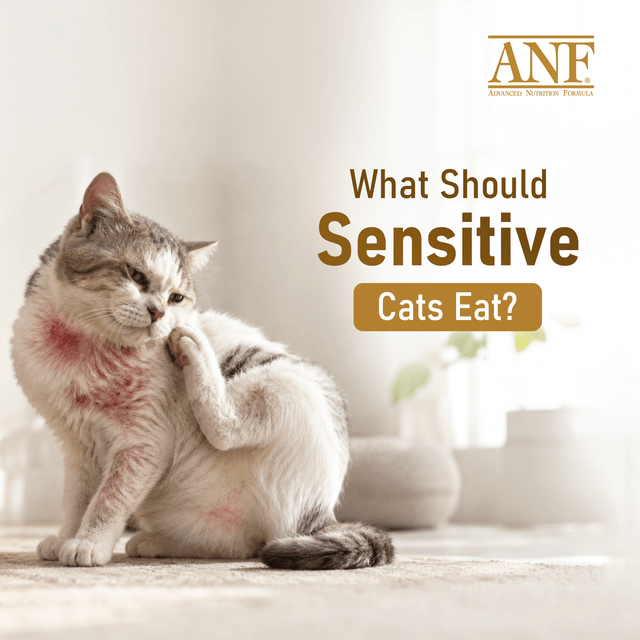
Best Cat Food for Sensitive Stomach & Food Allergies: Top 5 Healthy Choices for Your Cat
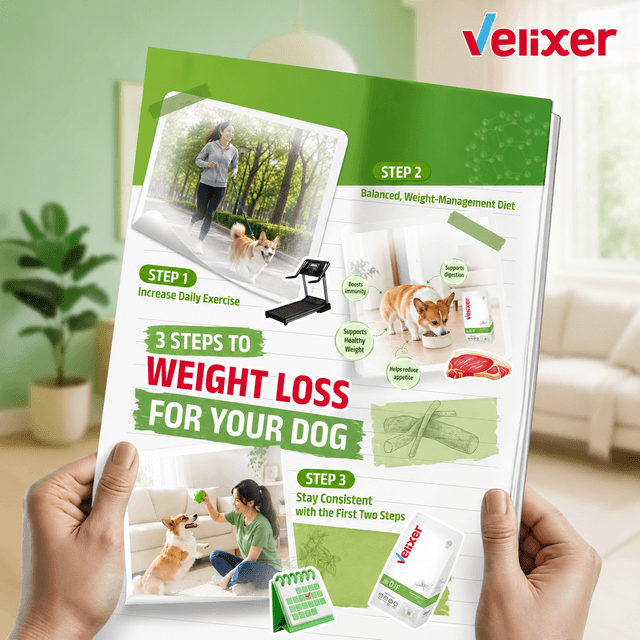
Dog Obesity: Causes, Symptoms & Effective Weight Loss Tips
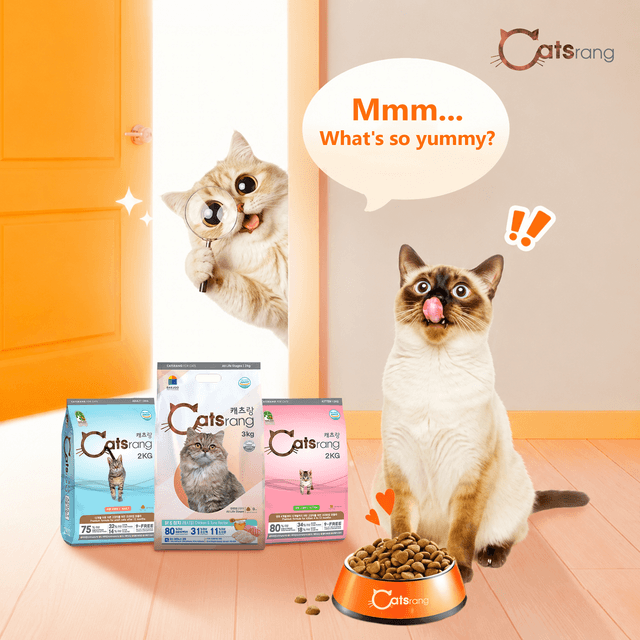
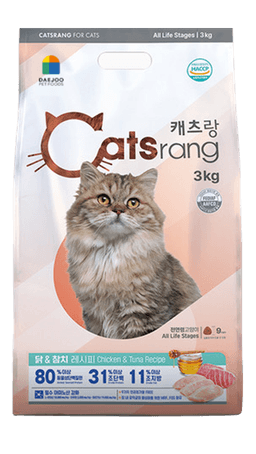
Is Catsrang Cat Food Good? A Complete Review of This Popular Dry Cat Food
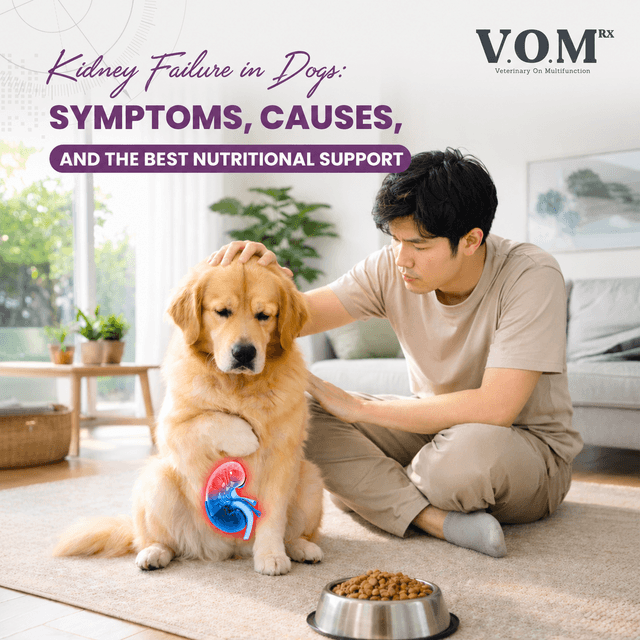
Kidney Failure in Dogs: Symptoms, Causes, and the Best Nutritional Support

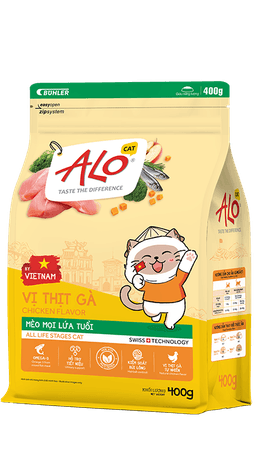
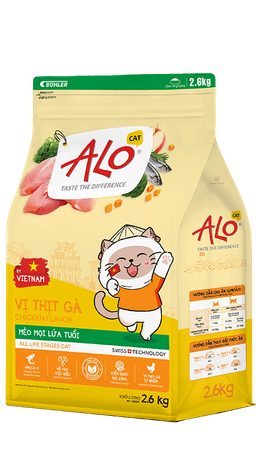
ALO – A trusted Vietnamese pet food brand
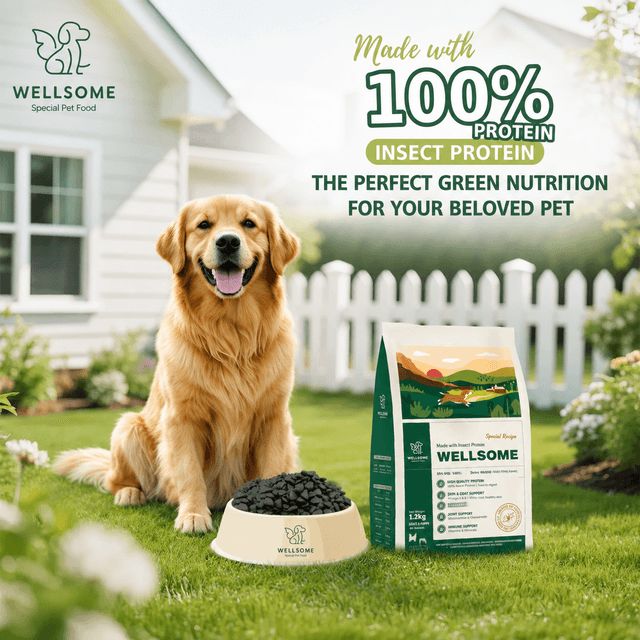
Wellsome – 100% Insect Protein Pet Food Leading the Green Nutrition Trend for Pets
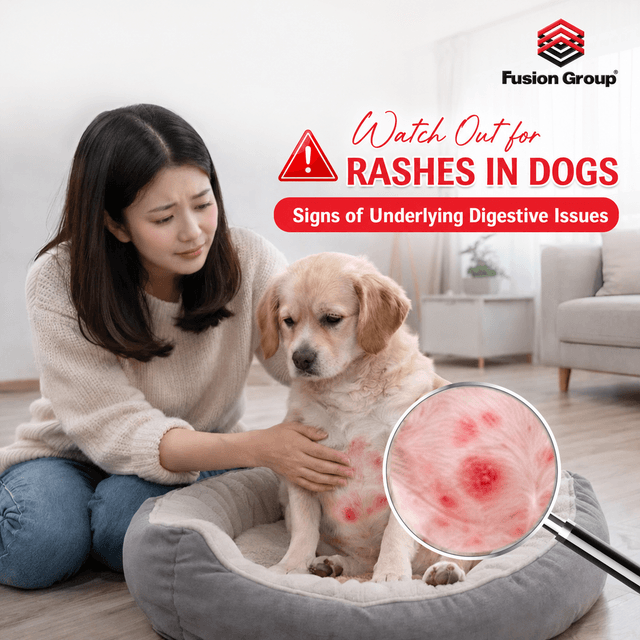

_1765521313.png&w=640&q=90)
Decoding the Ingredient List of Cat Kibble with Wonder Cats
_1762999038.jpg&w=640&q=90)