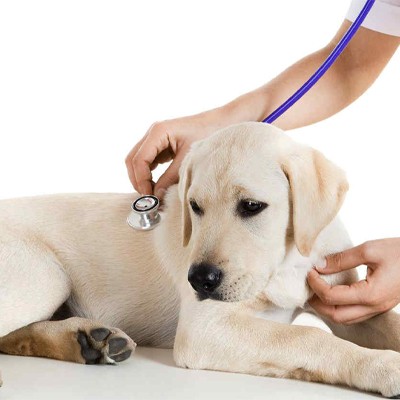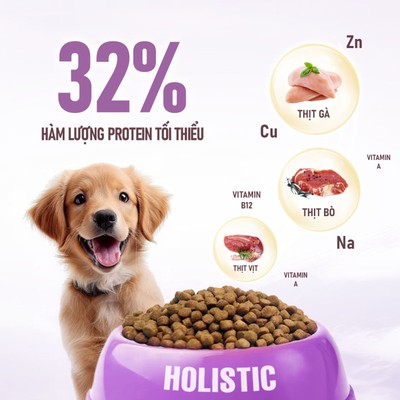
Common Digestive Problems in Dogs and Effective Prevention Methods
A healthy digestive system is the foundation for helping dogs absorb nutrients, maintain energy levels, and strengthen their immune system. When a dog’s digestive system has problems, they may experience loss of appetite, weight loss, vomiting, or diarrhea, which can directly affect their health and quality of life.
Many pet owners assume that these symptoms are only temporary digestive issues. However, if the symptoms persist or occur repeatedly, your dog may be experiencing digestive problems that require proper care. In this article, let’s explore the most common digestive problems in dogs, their causes, warning signs, and effective ways to prevent digestive issues so your dog can stay healthy.
The Importance of a Healthy Digestive System for Dogs
A dog’s digestive system is responsible for breaking down food and converting it into essential nutrients for the body. When the digestive tract is healthy, dogs can absorb nutrients more effectively, maintain a stable body condition, and support a strong immune system.
In particular, puppies, senior dogs, and dogs with sensitive stomachs require greater attention to their diet. Choosing easily digestible dog food can help reduce digestive problems and support healthy development at every stage of life.
Common Digestive Problems in Dogs
A dog’s digestive system can be sensitive to various factors, including food, living conditions, and daily habits. Below are some of the most common digestive problems in dogs that pet owners should be aware of.
1. Diarrhea
Dog diarrhea is a common problem that can occur when dogs eat unsuitable food, change their diet too quickly, or become infected with bacteria or parasites. If it only lasts for a short period, diarrhea is usually not a serious concern. However, prolonged diarrhea can cause dehydration, fatigue, and declining health.
2. Vomiting
Dogs may vomit because they eat too quickly, consume too much food, or eat food that is difficult to digest. In some cases, vomiting is only a temporary reaction of the digestive system. However, if your dog vomits repeatedly or develops other unusual symptoms, you should take them to a veterinarian for an early examination.
3. Constipation
Constipation occurs when a dog has difficulty passing stool or produces dry, hard stools. It can be caused by insufficient fiber, inadequate water intake, or a lack of physical activity. If constipation persists, it can cause discomfort and affect nutrient absorption.
4. Bloating and Indigestion
Some dogs frequently experience bloating or indigestion after eating. This may be caused by eating too quickly, consuming high-fat foods, or eating food that is difficult to digest. If the problem is not addressed, dogs may lose their appetite and become less interested in food.
5. Loss of Appetite Due to Digestive Problems
When a dog’s digestive system does not function properly, they may eat less or skip meals. Poor nutrient absorption over a long period can lead to weight loss, reduced immunity, and slow development, especially in puppies.
Causes of Digestive Problems in Dogs
Many factors can affect a dog’s digestive health, and the cause is not always related to food.
Sudden Changes in Diet
Switching to a new type of food too quickly can prevent the gut microbiome from adapting properly. This is a common cause of diarrhea or vomiting in dogs. You should gradually transition to a new diet over 7–10 days to give your dog time to adjust.
An Improper Diet
Foods that are high in fat, difficult to digest, or unsuitable for a dog’s age can place additional stress on the digestive system. In addition, feeding too much food in a single meal can increase the risk of digestive problems.
Bacteria, Parasites, and Living Environment
Dogs can become infected with bacteria or parasites by eating spoiled food, drinking contaminated water, or being exposed to an unhygienic environment. These are common causes of diarrhea and intestinal problems.
Stress and Changes in Daily Routine
Moving to a new home, traveling, or changing the living environment can cause stress in dogs. Prolonged stress can directly affect a dog’s digestive system and reduce their appetite.
How to Prevent Digestive Problems in Dogs
Although digestive problems in dogs are common, many of them can be prevented with proper care. In addition to monitoring your dog’s health every day, choosing the right food and maintaining healthy daily habits can help support better digestive health.
Choose Food Suitable for Each Life Stage
A dog’s nutritional needs change depending on their age and physical condition. Puppies need nutrients that support growth, while adult and senior dogs may benefit from easily digestible dog food to reduce the burden on the digestive system. Choosing the right food can therefore help dogs absorb nutrients more effectively and reduce digestive problems.
Transition to New Food Properly
Changing food too quickly is a common cause of diarrhea or vomiting in dogs. When changing your dog’s diet, mix the new food with the old food and gradually increase the proportion of new food over 7–10 days. This transition allows the gut microbiome to adapt and helps reduce the risk of digestive problems.
Establish Healthy Eating Habits
In addition to food quality, feeding habits also directly affect digestive health. Feed your dog the appropriate portion size, divide food into suitable meals, and prevent them from eating too quickly or consuming too much at once. Make sure your dog always has access to enough fresh water, and keep food and water bowls clean to reduce harmful bacteria.
Deworming and Regular Health Checkups
Intestinal parasites are one of the common causes of diarrhea and digestive problems in dogs. Following an appropriate deworming schedule and having regular veterinary checkups can help detect health problems early and ensure timely treatment.
Supporting Digestive Health with Soft Balance Soft Dog Food
Along with proper care, choosing easily digestible dog food is also important for maintaining a healthy digestive system. For puppies, senior dogs, or dogs with sensitive stomachs, food that is easy to chew and digest can reduce the burden on the digestive system while improving nutrient absorption.
Soft Balance is a soft dog food suitable for dogs of all ages and is produced using modern fermentation technology. The fermentation process helps make nutrients easier to absorb while supporting a balanced gut microbiome and healthy digestion.
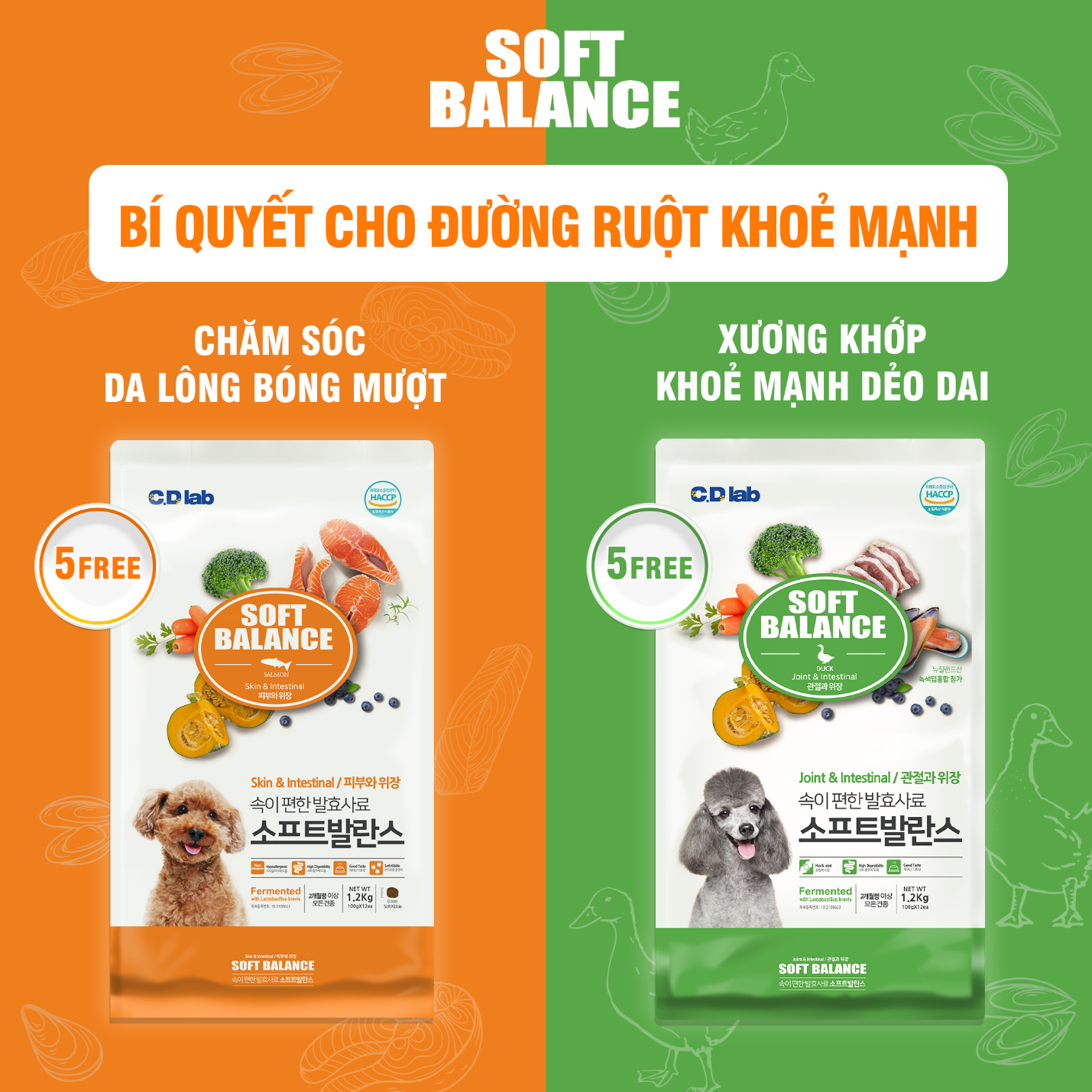
In addition to its soft texture, Soft Balance contains essential nutrients to support overall health. The soft food is suitable for puppies learning to eat, adult dogs with sensitive digestive systems, and senior dogs that have difficulty chewing hard food.
Key Benefits of Soft Balance
- Soft texture that is easy to chew and digest.
- Fermentation technology that supports nutrient absorption.
- Added probiotics to help maintain a balanced gut microbiome.
- Suitable for dogs of different ages and breeds.
- Supports healthy digestion and consistent stool quality.
When Should You Take Your Dog to the Veterinarian?
Not every case of digestive problems can be managed at home. If your dog develops persistent or worsening symptoms, you should take them to a veterinarian for an examination.
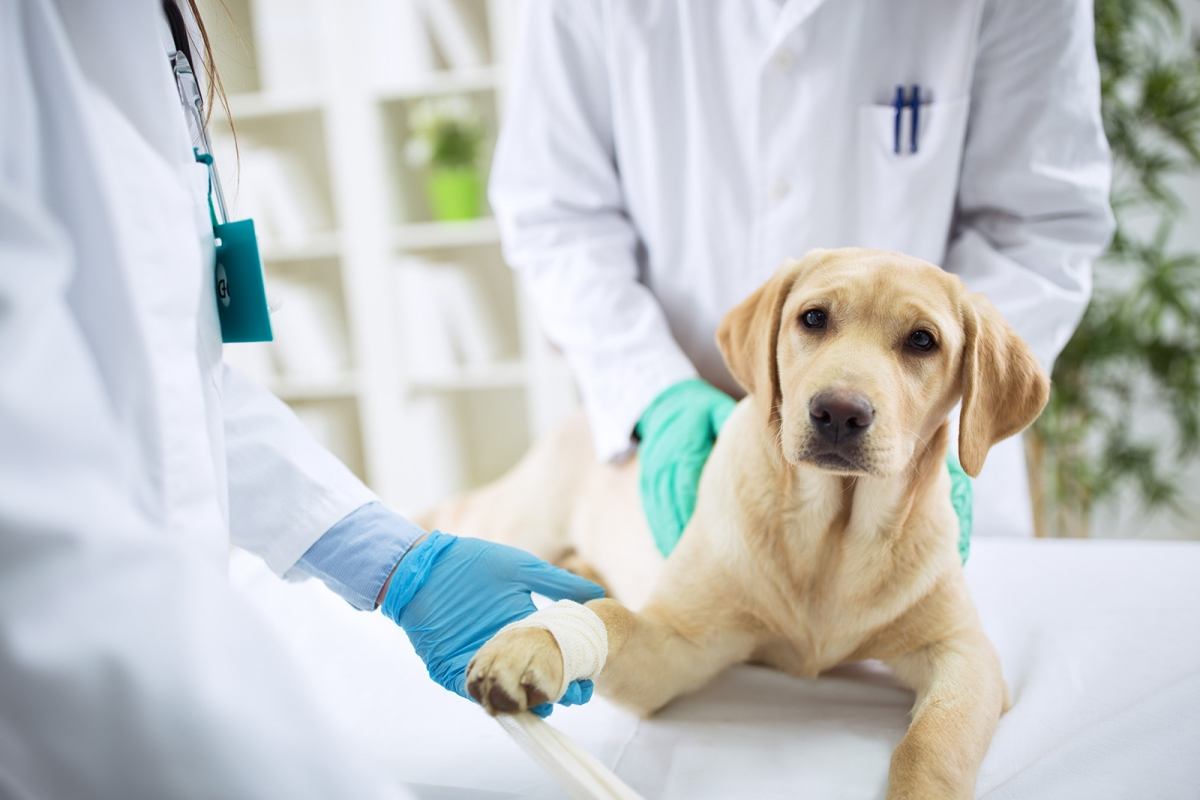
Important warning signs include diarrhea lasting for more than 48 hours, repeated vomiting, complete loss of appetite, blood in the stool, or signs of fatigue and dehydration. Early veterinary care can help identify the underlying cause and prevent potentially serious complications.
A healthy digestive system is the foundation for helping dogs absorb nutrients, maintain a strong immune system, and develop properly. Many digestive problems in dogs can be prevented through a suitable diet, healthy daily habits, and regular health monitoring.
If your dog has a sensitive digestive system or frequently experiences intestinal problems, prioritize easily digestible dog food that is suitable for their life stage. A balanced diet combined with Soft Balance soft dog food can help your dog eat better, absorb nutrients more effectively, and maintain long-term health.



What Vegetables Can Cats Eat? 7 Safe Vegetables to Add Fiber to Your Cat’s Diet


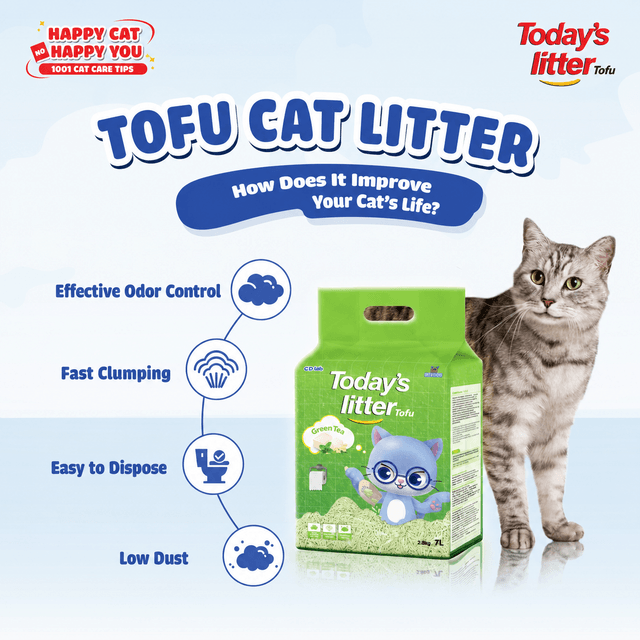
Affordable Cat Litter: Safe, Effective Odor Control, and Budget-Friendly Options

Best Cat Food for Sensitive Stomach & Food Allergies: Top 5 Healthy Choices for Your Cat
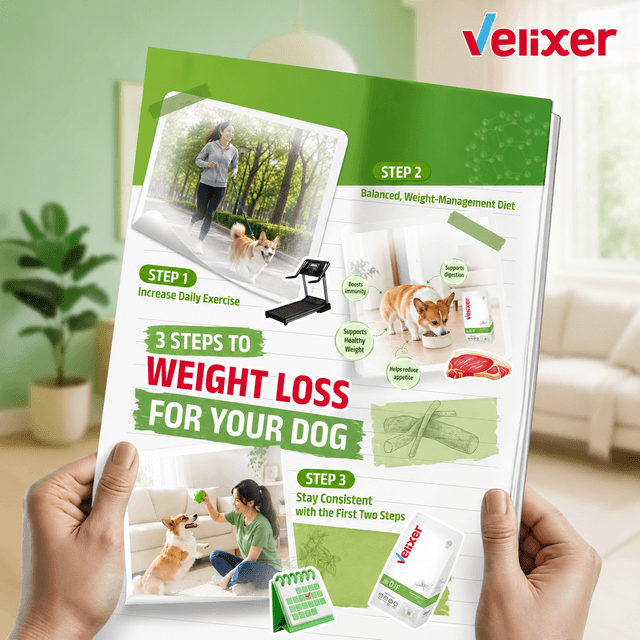
Dog Obesity: Causes, Symptoms & Effective Weight Loss Tips

Is Catsrang Cat Food Good? A Complete Review of This Popular Dry Cat Food
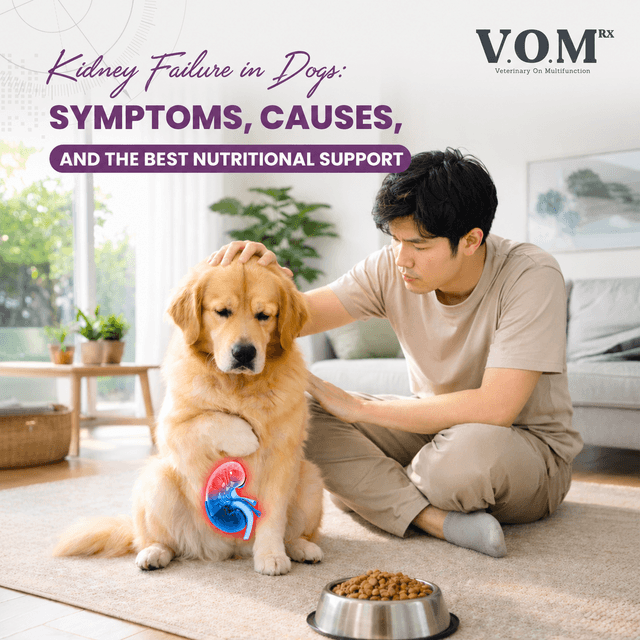
Kidney Failure in Dogs: Symptoms, Causes, and the Best Nutritional Support

ALO – A trusted Vietnamese pet food brand

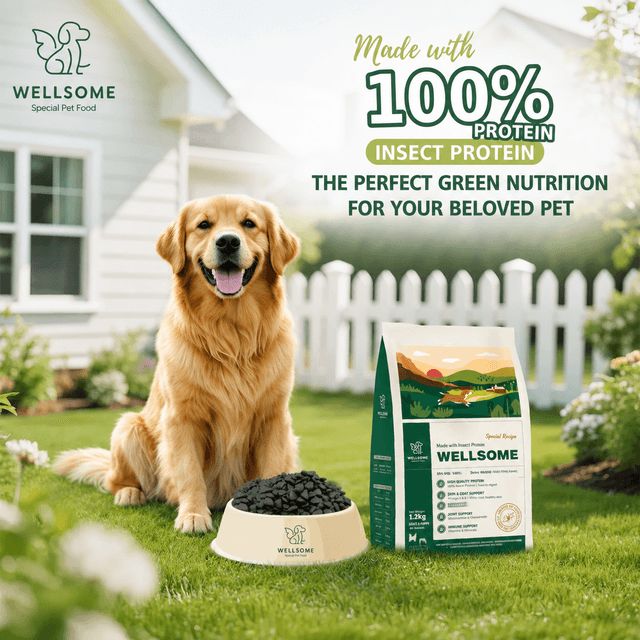
Wellsome – 100% Insect Protein Pet Food Leading the Green Nutrition Trend for Pets

Why Do Cats Get Hairballs? Signs, Causes, and Effective Prevention Tips


_1765521313.png&w=640&q=90)
Decoding the Ingredient List of Cat Kibble with Wonder Cats
_1762999038.jpg&w=640&q=90)