How to Potty Train a Dog: Effective Tips Every Pet Owner Should Know
Bringing a dog into your home is a rewarding experience, but dealing with indoor accidents can quickly test any owner's patience. Learning how to potty train a dog is more than just teaching a routine—it is about building trust, consistency, and communication with your furry companion. Whether you have a playful puppy or an older dog that needs better habits, this comprehensive guide will help you understand why accidents happen, recognize the signs your dog needs to go, and discover the most effective potty training methods.
1. Why Do Dogs Pee or Poop in the Wrong Place?
Before correcting your dog's behavior, it's important to understand what causes inappropriate elimination. In most cases, dogs are not being "naughty"—there is usually a reason behind the behavior.
They Haven't Learned Their Natural Bathroom Schedule
This is the most common reason, especially for puppies. Dogs naturally need to relieve themselves at certain times of the day, and missing these opportunities often leads to accidents.
- After waking up: Following a full night's sleep, dogs usually need to urinate or defecate immediately.
- After meals: Eating stimulates the digestive system, so many dogs need to relieve themselves shortly after finishing their food.
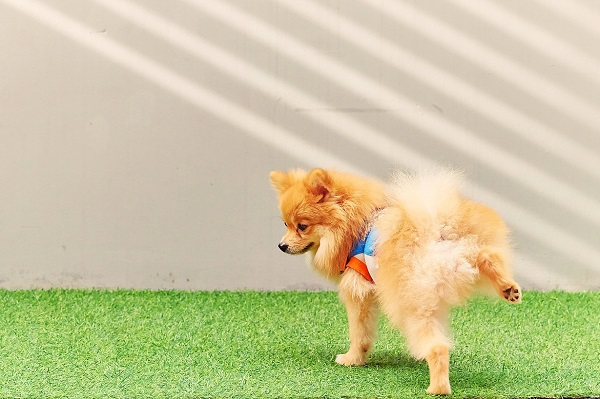
Understanding these biological patterns makes potty training much easier.
Emotional and Psychological Factors
A dog's emotions can also affect its bathroom habits. Excitement, fear, anxiety, stress, or sudden environmental changes may cause accidental urination. Dogs that have experienced harsh punishment may also develop inappropriate elimination behaviors.
Medical Conditions
If your dog suddenly begins having accidents despite previous successful training, health issues may be the cause. Common conditions include:
- Digestive disorders such as diarrhea
- Intestinal parasites
- Urinary tract infections
- Liver diseases
- Spinal cord injuries that reduce bladder control
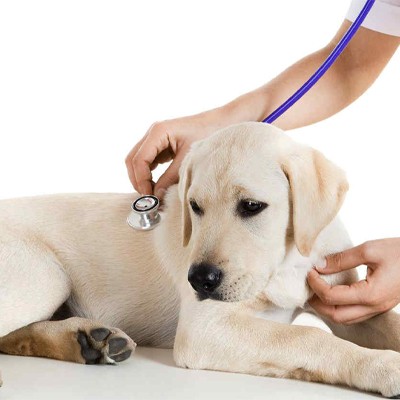
If accidents occur frequently or unexpectedly, consult your veterinarian for a proper examination.
Breed Characteristics
Small dog breeds generally have smaller bladders, making it harder for them to hold urine for long periods. Breeds such as Poodles, Corgis, Pomeranians, and Chihuahuas often require more frequent bathroom breaks than larger breeds.
2. Signs Your Dog Needs to Go to the Bathroom
One of the most valuable potty training skills is learning to recognize your dog's signals before an accident happens.
Watch for these common behaviors:
- Walking in circles while sniffing the floor repeatedly
- Squatting or appearing restless
- Whining or pacing around the house
- Running toward a quiet corner, under furniture, or near the door
- Looking directly at you as if asking to go outside
The sooner you recognize these signs, the easier it becomes to guide your dog to the correct bathroom spot.
3. The Most Effective Ways to Potty Train a Dog
3.1 Train Your Dog to Use Puppy Pads
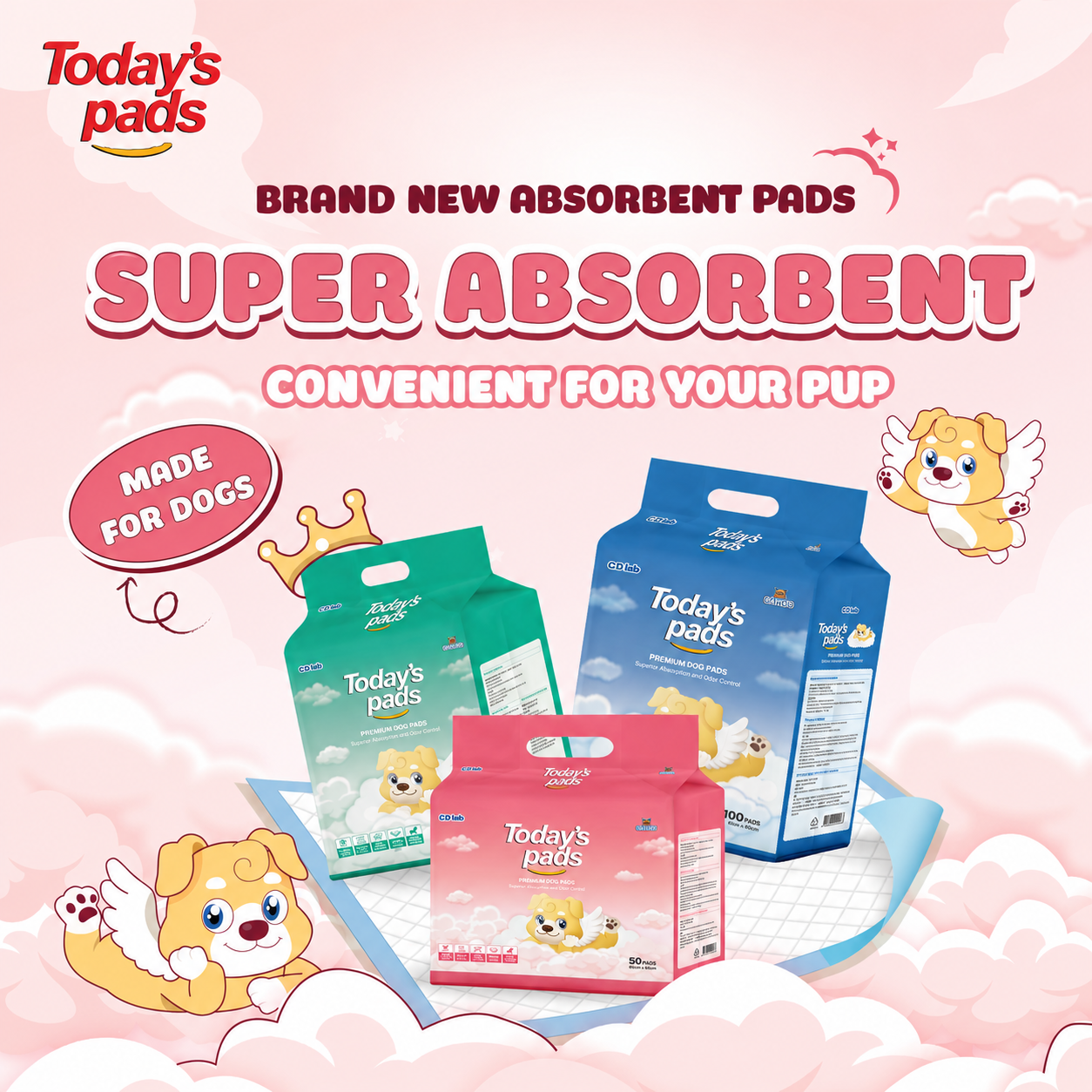
Using puppy training pads is one of the most convenient solutions, especially for apartment living or homes without easy outdoor access. Products like Today's Pads help absorb moisture quickly, reduce unpleasant odors, and create a designated potty area that is easy to maintain regardless of the weather.
_1783059934.png)
Three Simple Steps to Introduce Puppy Pads
Step 1 - Place the Pad in a Fixed Location: Choose a quiet area that your dog can access easily. Keep the pad in the same location every day to build consistency.
Step 2 - Guide Your Dog to the Pad: Whenever you notice signs that your dog needs to go, immediately lead or carry your dog to the training pad. Timing is critical. Acting quickly helps your dog associate the pad with bathroom time.
Step 3 - Reward Good Behavior: As soon as your dog successfully urinates or defecates on the pad, praise them enthusiastically with phrases like "Good boy!" or "Good girl!" and offer a small treat.
Positive reinforcement is one of the fastest and most effective ways to establish good bathroom habits.
3.2 Train Your Dog to Go Outside
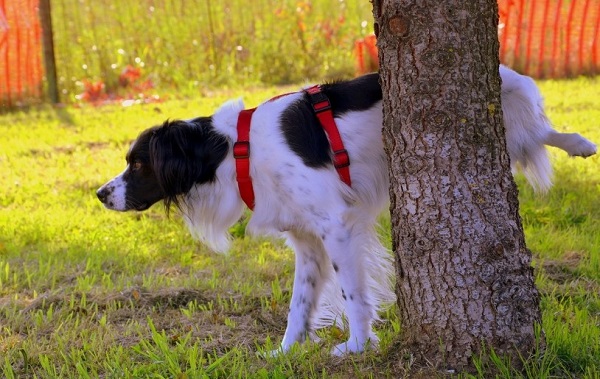
Outdoor potty training is ideal for dogs that have access to a yard or regular walks. Take your dog along the same route to the same potty location each time, such as a grassy area or the base of a tree. Familiar scents encourage dogs to eliminate in that location again. For puppies, bathroom trips should be scheduled every 3–4 hours, especially after waking up, eating, drinking, or playing. Always remember to clean up after your dog to help maintain a clean environment and show consideration for others.
3.3 Crate Training: Teaching Your Dog Not to Eliminate Inside the Crate
Dogs naturally avoid relieving themselves where they sleep. This instinct makes crate training an effective method for teaching proper bathroom habits. Choose a crate that is just large enough for your dog to stand up, turn around, and lie down comfortably. A crate that is too spacious may encourage your dog to use one corner as a bathroom.
To build a consistent routine, let your dog out of the crate at scheduled times throughout the day, especially after waking up, eating, drinking, playing, or napping. Over time, your dog will learn to hold their bladder and wait until they are taken to the designated potty area. Tip: Never leave your dog in the crate for longer than they can comfortably hold their bladder. Young puppies require much more frequent bathroom breaks than adult dogs.
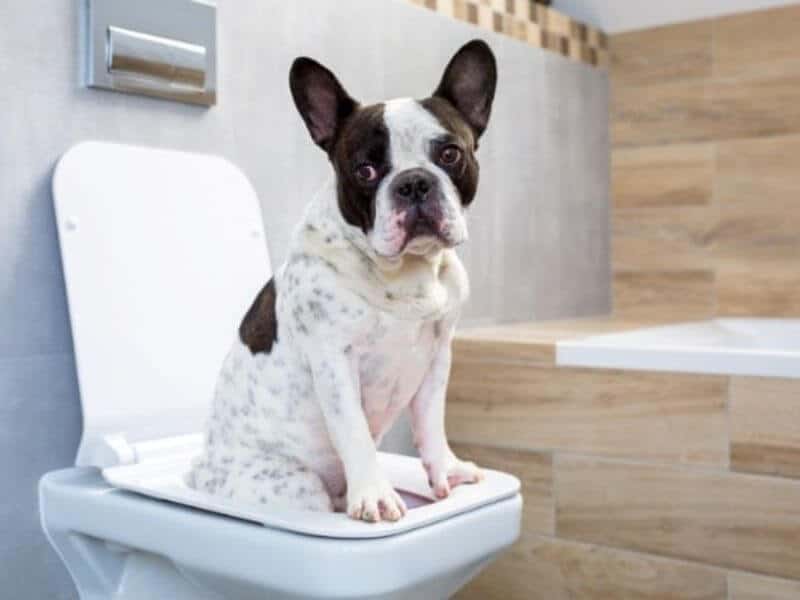
3.4 Train Your Dog to Use a Potty Tray or Toilet
If you prefer your dog to use a potty tray or a designated indoor toilet area, consistency is essential. Place a training pad that contains a small amount of your dog's previous urine inside the tray or designated potty area. The familiar scent helps your dog recognize where they are expected to eliminate.
Use the same verbal cue every time, such as:
- "Go potty."
- "Go pee."
- "Go poop."
Repeat the command calmly and consistently each day. Most dogs begin to associate the command with the action after about a week of regular training. As always, reward successful attempts immediately with praise and treats to reinforce the desired behavior.
4. Products That Make Potty Training Easier
The right training products can significantly improve your dog's learning process while making cleanup faster and more hygienic.
Today's Pads
High-quality puppy pads, such as Today's Pads, provide:
- Fast liquid absorption
- Excellent odor control
- Leak-resistant protection
- A convenient indoor potty solution for apartments and small homes
Potty Training Spray
Training sprays contain scents that encourage dogs to eliminate in a specific location. With consistent use, many dogs begin recognizing the designated potty area within 3–5 days.
Odor Eliminator Spray
Accidents happen during training. An enzyme-based odor eliminator removes urine odors completely, preventing your dog from returning to the same inappropriate spot. Regular household cleaners often remove stains but fail to eliminate scent markers that dogs can still detect.
Tips for Using Puppy Pads Safely
To keep both your home and your pet safe:
- Replace used pads regularly.
- Dispose of soiled pads properly in a trash bin.
- Prevent your dog from chewing or swallowing the training pads.
- Store unused pads in a cool, dry place away from heat and open flames.
5. Should You Punish Your Dog for Having Accidents?
The answer is no.
Punishing or scolding your dog after an accident is generally ineffective. Dogs cannot associate punishment with something they did several minutes earlier. Instead of learning the correct behavior, they often become fearful or anxious. In many cases, punishment simply teaches dogs to hide their accidents by relieving themselves in secluded areas such as under beds, behind furniture, or in closets.
What Should You Do Instead?
If you catch your dog in the act, interrupt the behavior with a firm but calm command such as "No!" or "Outside!" Then immediately take your dog to the appropriate potty area and allow them to finish there. If your dog successfully completes the task in the correct location, reward them immediately with praise and a treat.
Clean Up Properly
After an accident, thoroughly clean the area using a pet-safe odor eliminator. Removing all traces of scent helps prevent your dog from returning to the same spot. Remember, positive reinforcement consistently produces better long-term results than punishment.
Conclusion
Learning how to potty train a dog requires patience, consistency, and a good understanding of your dog's natural behavior. Every dog learns at a different pace, so it's important to stay positive throughout the process.
By recognizing your dog's bathroom signals, maintaining a regular schedule, rewarding good behavior, and using supportive products such as Today's Pads, you can build lasting potty habits and create a cleaner, happier home for both you and your furry companion.

What Vegetables Can Cats Eat? 7 Safe Vegetables to Add Fiber to Your Cat’s Diet



Affordable Cat Litter: Safe, Effective Odor Control, and Budget-Friendly Options

Best Cat Food for Sensitive Stomach & Food Allergies: Top 5 Healthy Choices for Your Cat
Dog Obesity: Causes, Symptoms & Effective Weight Loss Tips

Is Catsrang Cat Food Good? A Complete Review of This Popular Dry Cat Food
Kidney Failure in Dogs: Symptoms, Causes, and the Best Nutritional Support

ALO – A trusted Vietnamese pet food brand
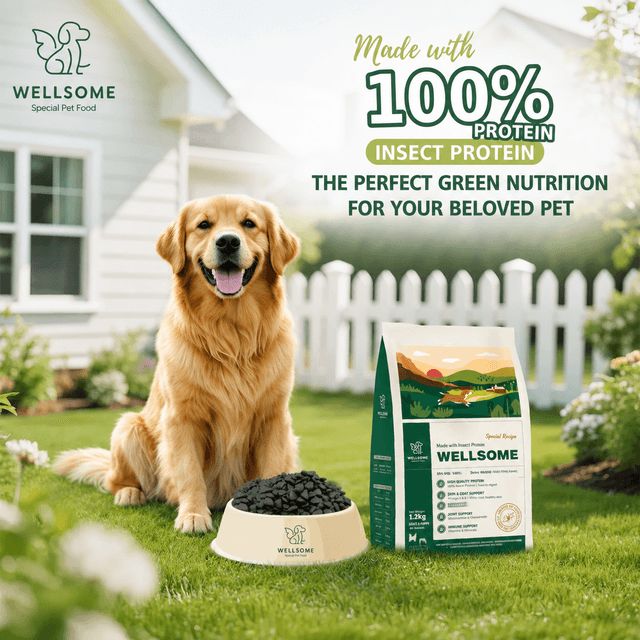
Wellsome – 100% Insect Protein Pet Food Leading the Green Nutrition Trend for Pets

Why Do Cats Get Hairballs? Signs, Causes, and Effective Prevention Tips



_1765521313.png&w=640&q=90)
Decoding the Ingredient List of Cat Kibble with Wonder Cats
_1762999038.jpg&w=640&q=90)