Dog Obesity: Causes, Symptoms & Effective Weight Loss Tips
Dog obesity is one of the most common health problems in pets today. According to the Association for Pet Obesity Prevention (APOP), more than 50% of adult dogs are overweight or obese. While a chubby dog may look adorable, excess body fat can lead to diabetes, heart disease, joint problems, and a shorter lifespan. A dog is generally considered obese when its body weight is 15–20% above its ideal weight. The good news is that obesity can be prevented and managed through proper nutrition, regular exercise, and routine weight monitoring.
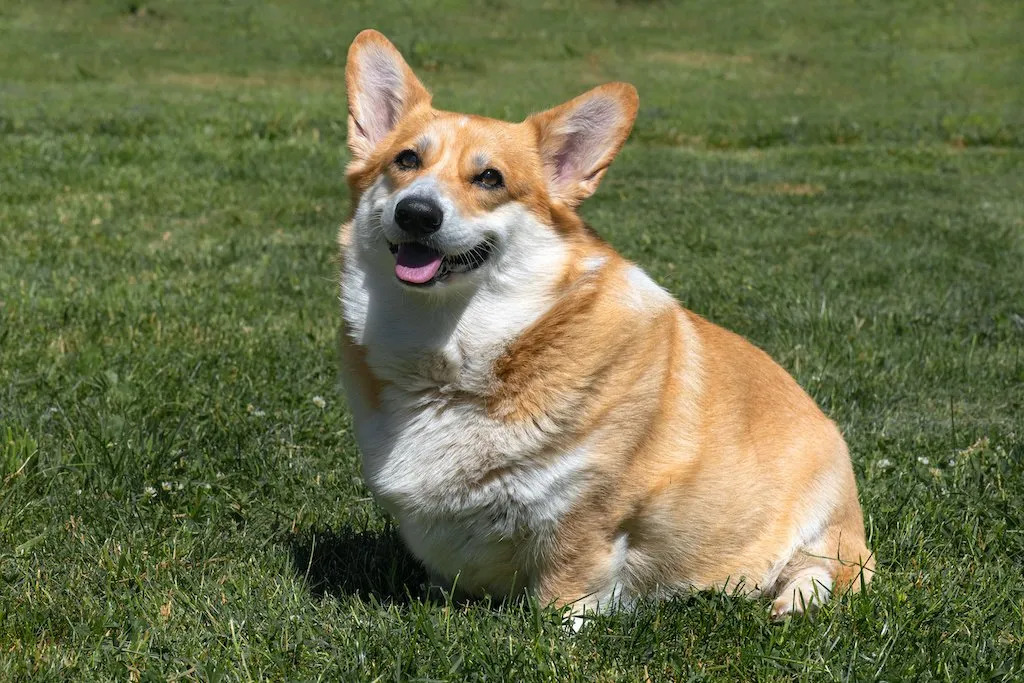
What Causes Dog Obesity?
Dog obesity develops when calorie intake exceeds calorie expenditure over time. The most common causes include:
Overfeeding
Feeding large portions, giving too many treats, or sharing human food can quickly increase your dog's daily calorie intake. High-fat diets with low fiber also contribute to weight gain.
Lack of Exercise
Dogs that spend most of their time indoors or have little daily activity burn fewer calories. Without enough exercise, excess energy is stored as body fat.
Aging and Neutering
As dogs get older or after being neutered, their metabolism slows down. If food intake remains the same, they are more likely to become overweight.
Medical Conditions
Some health conditions, such as hypothyroidism or Cushing's disease, can also cause abnormal weight gain. If your dog gains weight suddenly, consult your veterinarian.
Signs of an Overweight Dog
Early detection makes weight loss easier and more effective.
Common signs include:
- No visible waist when viewed from above
- Ribs are difficult to feel
- A rounded body shape or sagging belly
- Panting after light activity
- Low energy and reduced willingness to exercise
- Rapid weight gain
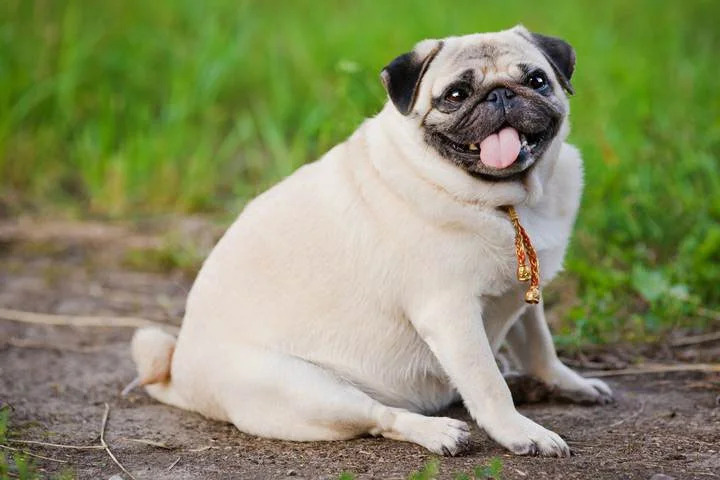
Veterinarians often use the Body Condition Score (BCS) to evaluate body fat. A score of 4–5 out of 9 is considered ideal, while 7–9 indicates overweight or obesity.
Why Is Dog Obesity Dangerous?
Obesity affects much more than your dog's appearance. Excess weight places additional stress on the heart, lungs, liver, and joints, increasing the risk of several chronic diseases.
Common obesity-related conditions include:
- Osteoarthritis and joint pain
- Heart disease
- Diabetes
- Fatty liver disease
- Respiratory problems
- Reduced mobility
Research from the Purina Life Span Study found that dogs maintained at a healthy weight may live up to nearly two years longer than overweight dogs. Keeping your dog at an ideal weight is one of the best ways to improve both health and longevity.
How to Help an Overweight Dog Lose Weight
Helping an overweight dog lose weight requires a combination of proper nutrition, regular exercise, and consistent monitoring. Aim for gradual weight loss of 1–2% of your dog's body weight per week, as rapid weight loss may affect overall health.
Adjust Your Dog's Diet
Nutrition is the foundation of healthy weight management. To support safe dog weight loss, you should:
- Measure food portions accurately.
- Limit treats and avoid feeding table scraps.
- Divide meals into smaller portions throughout the day.
- Choose a weight management dog food that is lower in calories but rich in essential nutrients.
A balanced diet helps reduce body fat while maintaining muscle mass and energy levels.
Choose the Right Weight Management Dog Food
The best dog food for weight loss should provide complete nutrition while helping reduce calorie intake. A veterinary-formulated diet can help overweight dogs lose weight safely without compromising their nutritional needs.
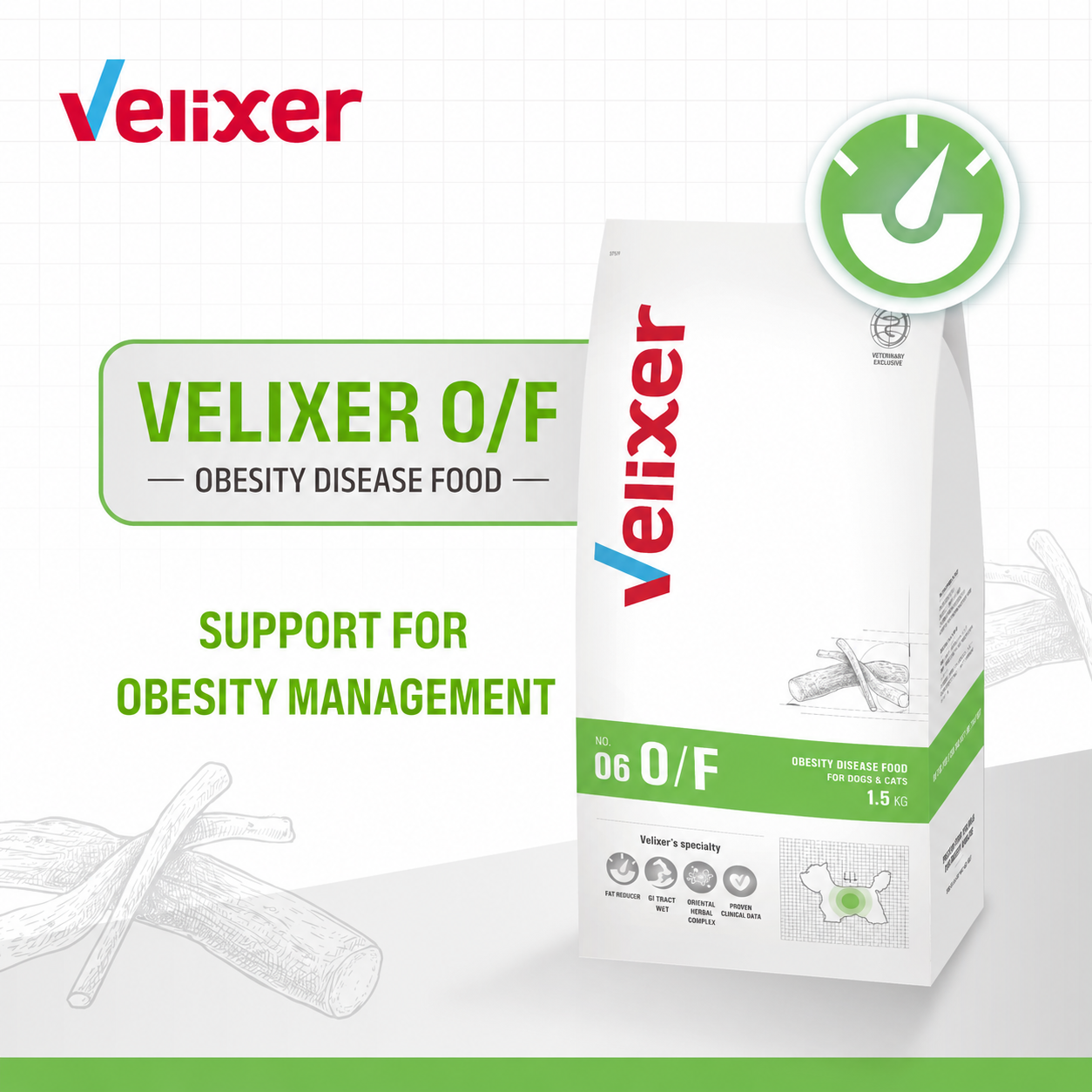
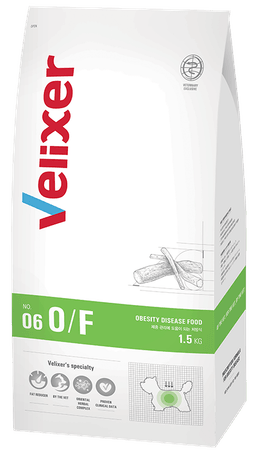
Velixer O/F Obesity Disease Food is specially formulated for overweight and obese dogs. Its balanced formula supports healthy weight management while providing the nutrients dogs need to stay active.
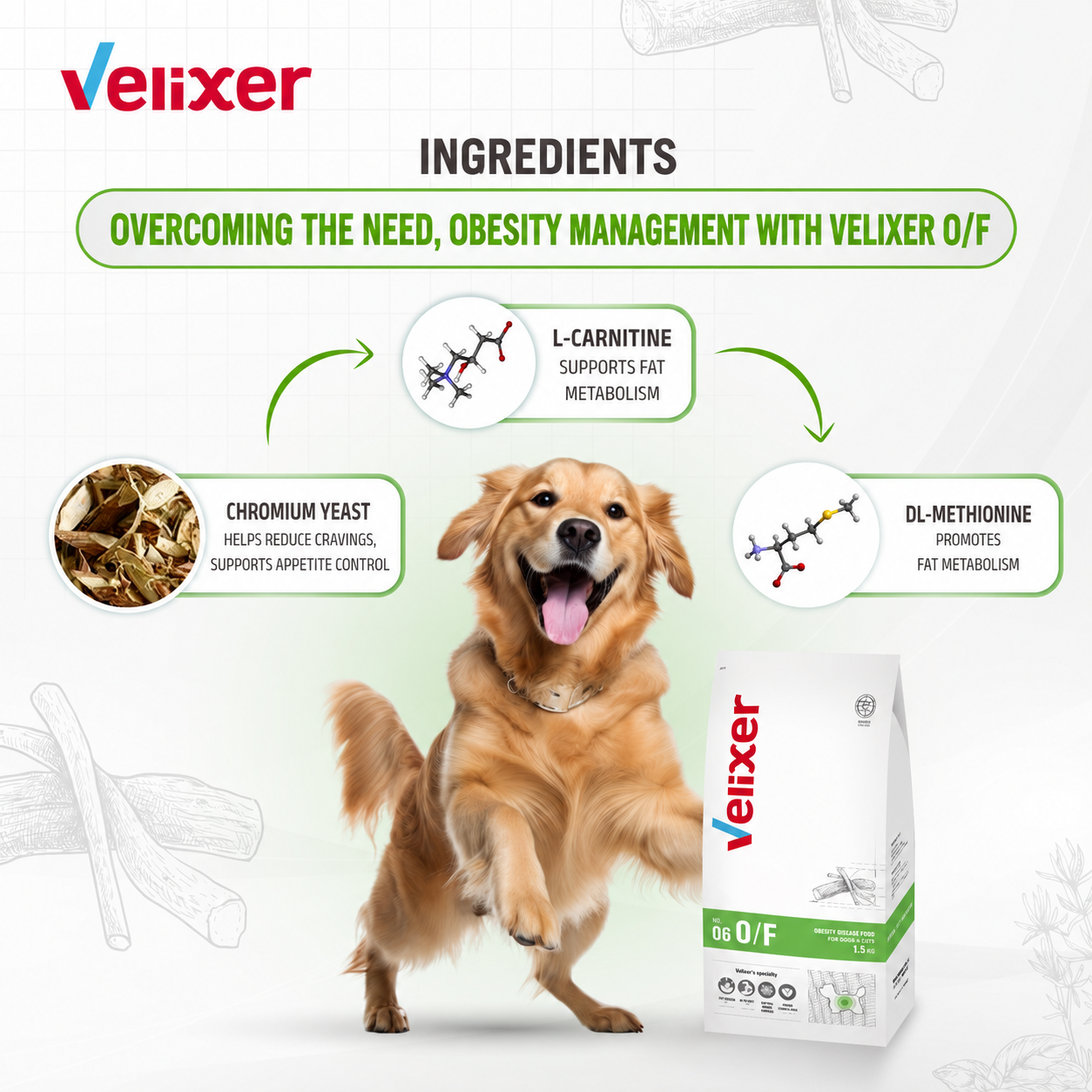
Key functional ingredients include:
- Celastrol to help regulate appetite.
- L-Carnitine to support fat metabolism.
- DL-Methionine to promote healthy liver function.
- Achyranthes Root Extract to support joint health.
- Turmeric and Grapefruit Seed Extract to help maintain immune health.
Combined with proper feeding and exercise, Velixer O/F can support long-term weight management and overall well-being.
Encourage Daily Exercise
Exercise helps dogs burn calories and improve muscle strength.
Simple activities include:
- Walking for 20–30 minutes daily.
- Playing fetch.
- Swimming (if suitable for the breed).
- Interactive games and food puzzles.
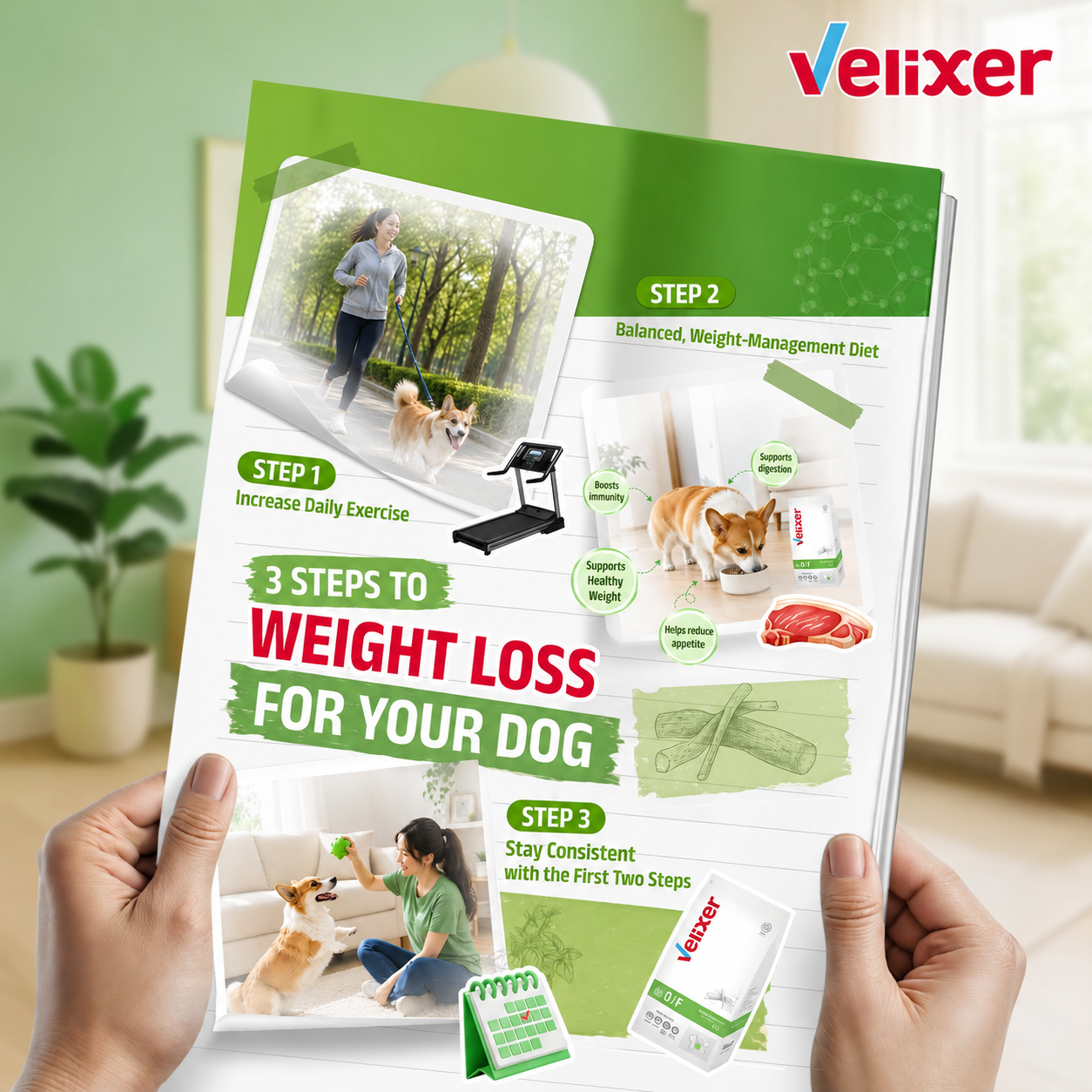
Increase exercise gradually based on your dog's age and physical condition.
Tips for Preventing Dog Obesity
Maintaining a healthy weight is easier than treating obesity. Follow these simple tips:
- Feed measured portions.
- Limit high-calorie treats.
- Exercise your dog every day.
- Monitor your dog's weight regularly.
- Visit your veterinarian for routine health checks.
Small lifestyle changes can make a big difference in your dog's long-term health.
Conclusion
Dog obesity is a serious but manageable condition. A balanced diet, regular exercise, and routine weight monitoring are the keys to helping your dog achieve a healthy weight and reduce the risk of obesity-related diseases. Choosing a specialized weight management dog food, such as Velixer O/F Obesity Disease Food, can further support safe and sustainable weight loss. If your dog is overweight or obese, consult your veterinarian to create a personalized weight management plan and ensure the best long-term health outcomes.

What Vegetables Can Cats Eat? 7 Safe Vegetables to Add Fiber to Your Cat’s Diet


Affordable Cat Litter: Safe, Effective Odor Control, and Budget-Friendly Options

Best Cat Food for Sensitive Stomach & Food Allergies: Top 5 Healthy Choices for Your Cat

Is Catsrang Cat Food Good? A Complete Review of This Popular Dry Cat Food
Kidney Failure in Dogs: Symptoms, Causes, and the Best Nutritional Support

ALO – A trusted Vietnamese pet food brand

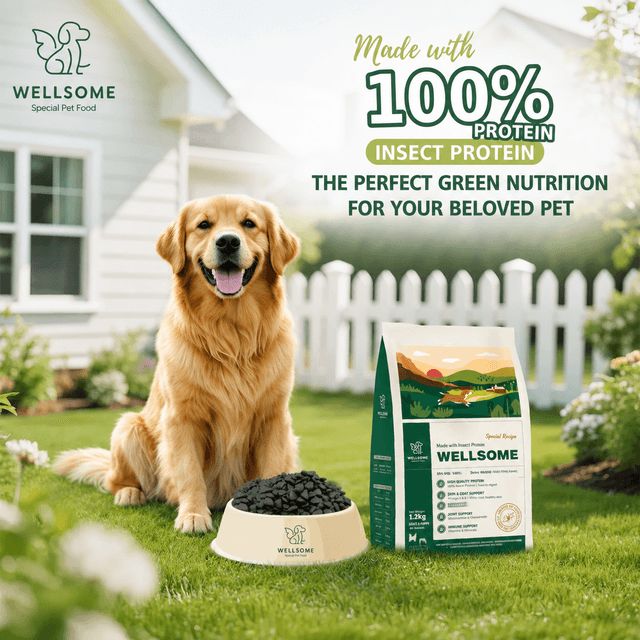
Wellsome – 100% Insect Protein Pet Food Leading the Green Nutrition Trend for Pets

Why Do Cats Get Hairballs? Signs, Causes, and Effective Prevention Tips


_1765521313.png&w=640&q=90)
Decoding the Ingredient List of Cat Kibble with Wonder Cats
_1762999038.jpg&w=640&q=90)