
Cat Lice Infestation: How to Identify It and Treat It Effectively
What Are Cat Lice?
Cat lice are external parasites that live directly on a cat’s skin and fur. These tiny, wingless insects move by crawling and reproduce quickly in warm, humid environments.
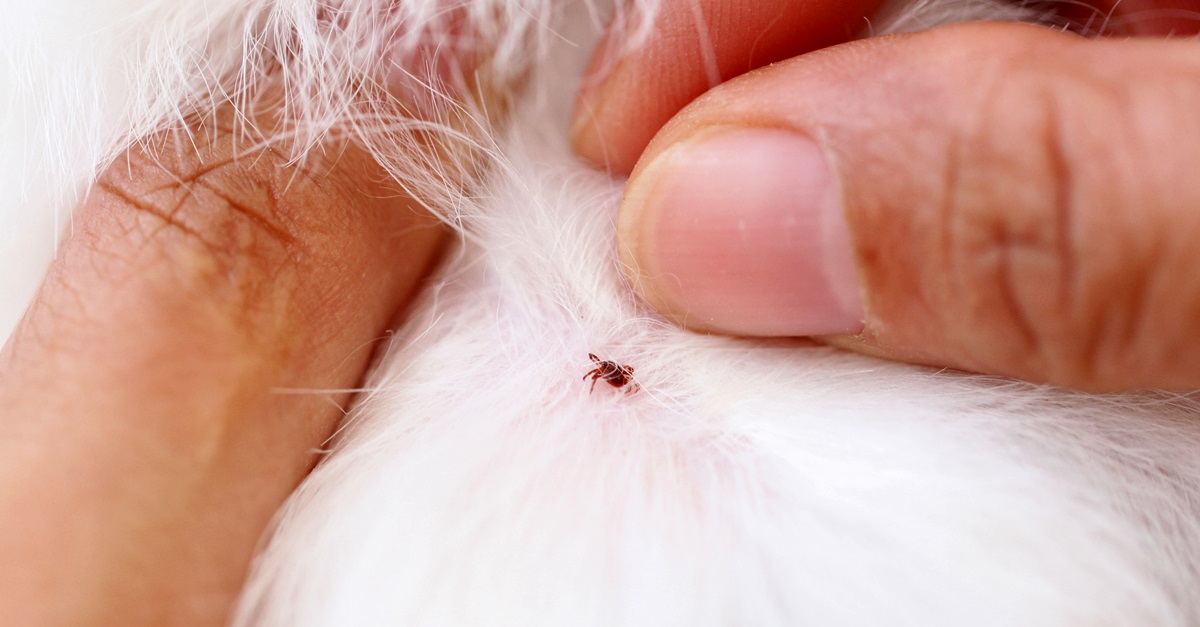
Cat lice survive by:
- Feeding on a cat’s blood
- Feeding on dead skin cells
An infestation can cause severe itching and discomfort. If left untreated, cat lice may lead to skin inflammation, hair loss, skin infections, and a decline in your cat’s overall health.
Why Do Cats Get Lice?
There are several reasons why cats can develop a lice infestation.
Contact with Infested Animals
Cats can easily catch lice through direct contact with other cats, dogs, or wild animals carrying parasites, especially in multi-pet environments.

Poor Living Conditions
Dirty bedding, blankets, carpets, and other areas where your cat spends time can become ideal breeding grounds for lice and their eggs.
Outdoor Lifestyle
Outdoor cats are more likely to come into contact with stray animals, tall grass, and contaminated environments where lice are commonly found.
Weakened Immune System
Kittens, senior cats, and cats suffering from illness often have weaker immune systems, making them more vulnerable to lice infestations.
Lack of Regular Parasite Prevention
Cats that do not receive routine flea and lice prevention treatments are at a higher risk of becoming infested.
Signs of Cat Lice Every Owner Should Know
Because cat lice are extremely small, they are not always easy to spot. However, your cat may show several warning signs through changes in behavior and skin condition.
Excessive Scratching and Grooming
Cats with lice often scratch, bite, or lick certain areas of their body repeatedly due to irritation.

Hair Loss and Poor Coat Condition
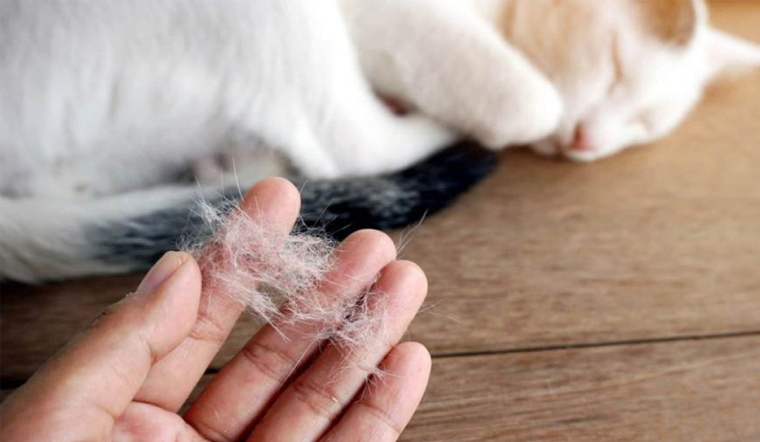
Patchy hair loss, thinning fur, and a rough, unhealthy coat are common signs, especially around the neck, back, belly, and behind the ears.
Red, Inflamed, or Damaged Skin
Frequent scratching can cause redness, rashes, flaky skin, and open wounds, increasing the risk of secondary skin infections.
Visible Lice or Lice Eggs
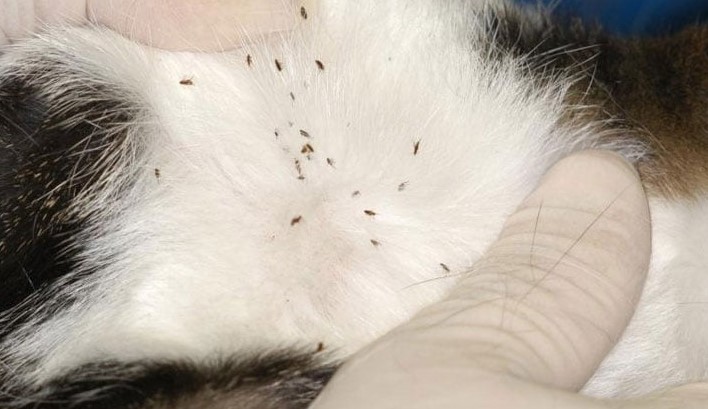
Parting your cat’s fur may reveal tiny gray or brown insects moving on the skin or small eggs firmly attached to hair shafts.
Fatigue and Reduced Appetite
In severe infestations, especially in kittens, blood-feeding lice can cause anemia, leading to lethargy, weakness, and weight loss.
How to Treat Cat Lice Effectively
If you discover lice on your cat, treatment should begin as soon as possible.
Use Vet-Approved Cat Lice Treatments
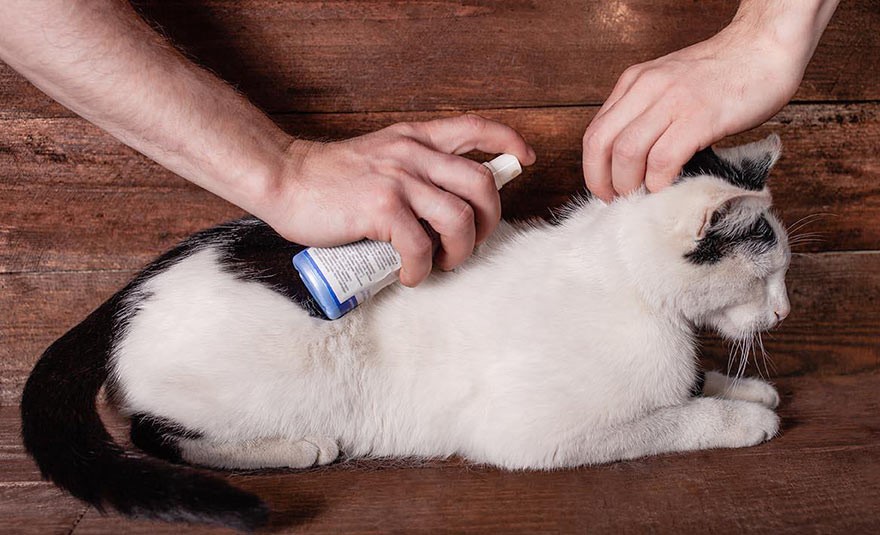
Spot-on treatments, sprays, medicated shampoos, and other parasite-control products recommended by veterinarians can effectively eliminate lice and their eggs.
Important: Never use dog flea or lice treatments on cats, as some ingredients can be toxic and potentially fatal.
Bathe Your Cat Properly
Using a cat-safe medicated shampoo can help remove lice from the coat while soothing irritated skin. Avoid excessive bathing, as it may dry out the skin.

Clean the Entire Living Environment
Wash your cat’s bedding, blankets, toys, and other frequently used items thoroughly. Vacuum and sanitize living areas to prevent reinfestation.
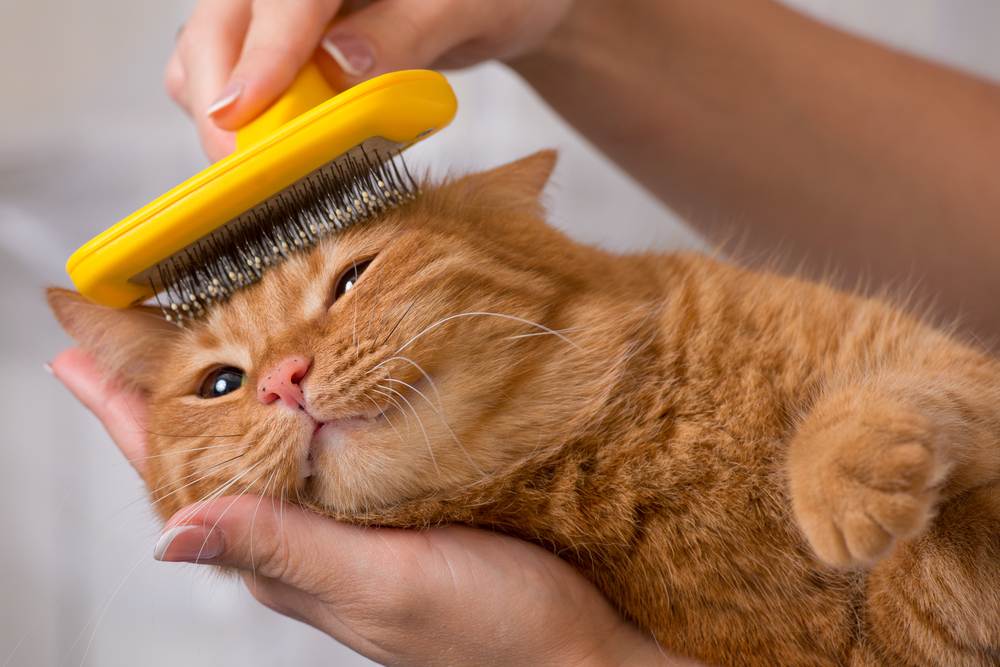
Use a Fine-Toothed Lice Comb
A specialized lice comb can help remove remaining lice and eggs, especially when combined with appropriate medication.
Visit a Veterinarian When Necessary
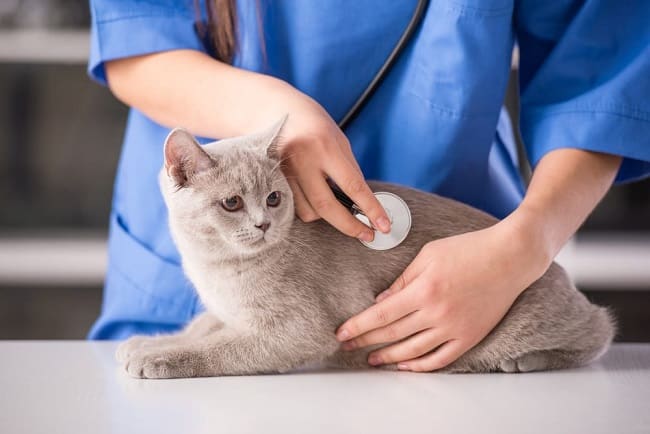
If your cat develops severe skin inflammation, extensive hair loss, or signs of infection, professional veterinary care may be required.
Frequently Asked Questions About Cat Lice
1. Can Cat Lice Spread to Humans?
Cat lice are species-specific and primarily live on cats. While they may occasionally crawl onto humans, they cannot survive long on human skin. Temporary itching or skin irritation may occur in some cases.
2. Should I Shave My Cat if It Has Lice?
Shaving is not usually necessary. However, it may help in cases where:
- The cat has a very long coat
- The infestation is severe
Proper medication and environmental cleaning remain the most important parts of treatment.
3. How Long Does It Take to Get Rid of Cat Lice?
Most cases can be resolved within 2–4 weeks, depending on the severity of the infestation and whether lice eggs and the environment are treated effectively.
4. Are Home Remedies Effective for Treating Cat Lice?
Some home remedies may provide temporary relief, but they rarely eliminate lice eggs completely. Incorrect use can also cause skin irritation or toxicity in cats.
5. How Can I Prevent Cat Lice?
To prevent future infestations:
- Follow a regular parasite prevention schedule recommended by your veterinarian
- Keep your cat’s bedding and living areas clean
- Limit contact with stray or infested animals
- Brush and inspect your cat’s coat regularly
- Provide a balanced diet to support a healthy immune system
Conclusion
Cat lice are a common but manageable problem. Early detection, proper treatment, and regular parasite prevention can help keep your cat comfortable and healthy. Maintaining a clean environment and following a veterinarian-approved prevention plan will provide long-term protection for both your cat and your household.











What Vegetables Can Cats Eat? 7 Safe Vegetables to Add Fiber to Your Cat’s Diet




Affordable Cat Litter: Safe, Effective Odor Control, and Budget-Friendly Options

Best Cat Food for Sensitive Stomach & Food Allergies: Top 5 Healthy Choices for Your Cat

Dog Obesity: Causes, Symptoms & Effective Weight Loss Tips

Is Catsrang Cat Food Good? A Complete Review of This Popular Dry Cat Food

Kidney Failure in Dogs: Symptoms, Causes, and the Best Nutritional Support

ALO – A trusted Vietnamese pet food brand


Wellsome – 100% Insect Protein Pet Food Leading the Green Nutrition Trend for Pets

Why Do Cats Get Hairballs? Signs, Causes, and Effective Prevention Tips


_1765521313.png&w=640&q=90)
Decoding the Ingredient List of Cat Kibble with Wonder Cats
_1762999038.jpg&w=640&q=90)