
How to Transition Cat Food: A 7–Day Schedule to Prevent Digestive Upset
Learning how to transition cat food correctly is a step that many pet parents overlook, often leading to vomiting, diarrhea, or appetite loss when switching kibble. In reality, a cat’s digestive system and gut microbiome need time to adapt to new formulas. Furthermore, cats are naturally quite sensitive to subtle changes in taste and texture.
So, when should you switch your cat’s food, how long should the transition take, and what should you do if your cat refuses to eat? Let’s dive into the details below.
When Should You Transition Your Cat’s Food?
- Kittens growing up: Transitioning from kitten food to adult cat food.
- Adult cats aging: Moving from adult kibble to senior cat food formulas.
- Lifestyle & budget updates: Switching to a product better suited to your budget or your cat’s dietary needs.
- Current food mismatch: Your cat experiences soft stools, frequent vomiting, or a dull coat. (Note: In these cases, consult a veterinarian before switching.)
- Discontinued or unavailable products: The current brand is out of stock or hard to find.
Why You Shouldn't Switch Cat Food Abruptly
When you switch kibble abruptly, your cat’s gut microbiome doesn't have enough time to adjust to new sources of protein, fiber, and fat. Common side effects include loose stools, vomiting, bloating, or food refusal due to unfamiliar scents. For cats, prolonged fasting can lead to severe liver issues, so close monitoring is essential during this stage.
Standard 7–10 Day Cat Food Transition Schedule
The general rule is to gradually increase the proportion of the new food while decreasing the old food:
Stage | Old Food | New Food |
Days 1–2 | 75% | 25% |
Days 3–4 | 50% | 50% |
Days 5–6 | 25% | 75% |
Day 7 onwards | 0% | 100% |
(For sensitive cats, seniors, or cats with a history of digestive issues, extend the schedule to 10–14 days, holding each phase longer.)
ALO also recommends gradually mixing the old kibble with the new kibble over 7 days, progressively increasing the proportion of ALO: 25% on Days 1–2, 50% on Days 3–4, 75% on Days 5–6, and 100% on Day 7 (as outlined in the table above).

7-day cat food transition schedule for healthy digestion
6 Tips for a Successful Food Transition
- Thoroughly mix both kibbles: Do not layer them, as your cat may pick out only their favorite pieces.
- Keep daily meals consistent: Maintain the same number of meals and total portion size; only adjust the food ratio.
- Keep the feeding area familiar: Use the same bowl in the same location to avoid unnecessary stress.
- Avoid compounding changes: Do not switch food during major life changes (e.g., moving homes or pet boarding).
- Ensure fresh water is available: You can add a splash of warm water or wet food/pate to encourage appetite.
- Monitor daily health: Keep a close eye on their stool quality, food intake, and energy levels.
Picky Eaters During Food Transition: What Should Pet Parents Do?
- Step back one phase: Drop back to the previous ratio (e.g., return to 25% new food) and maintain it for an extra 2–3 days.
- Offer new kibble as treats: Give a few pieces of the new kibble by hand to help them get used to the smell.
- Enhance aroma: Gently warm the kibble or add a little warm water to release appetizing aromas.
- Never starve your cat: Never force your cat to fast to compel them to accept new food.
Recommendation When Switching to ALO
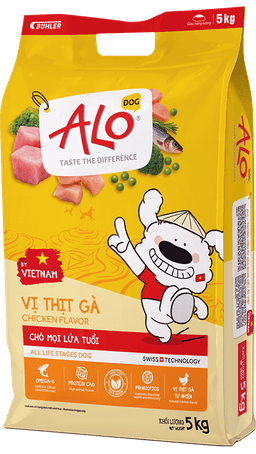
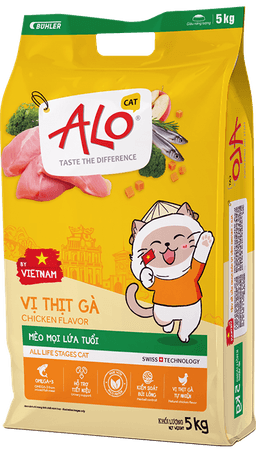
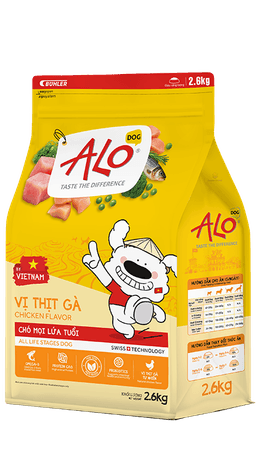
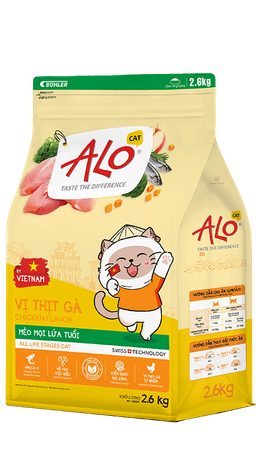
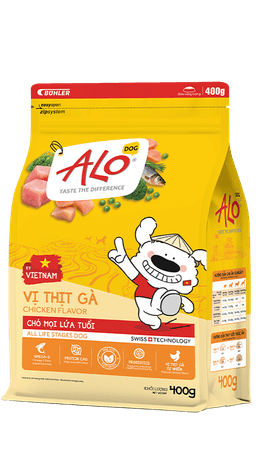
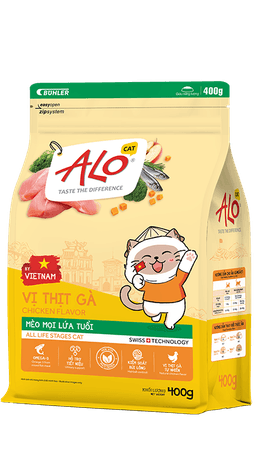
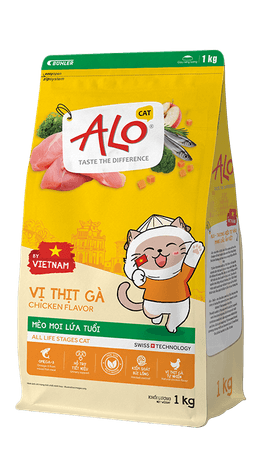
If you are looking for an affordable, high-quality option for long-term daily feeding, ALO Cat is a fantastic choice. Made in Vietnam utilizing Swiss Bühler technology, ALO is formulated with Essential Taurine, DL-Methionine, and Human-Grade Fish Oil providing Omega-3 & 6, EPA, and DHA to support healthy skin and a shiny coat.
The ALO formula is specifically crafted for high digestibility and balanced nutrition. Nevertheless, pet owners should still follow the standard 7–10 day transition schedule when introducing ALO to minimize digestive upset.
ALO kibble is coated with natural Symrise SPF palatants and hydrolyzed shrimp protein, eliminating the need for extra toppings. Cats accustomed to toppings may need 7–10 days to adapt, so patience and adherence to the schedule are key. If you’d like to try it first, start with a 400g sample pack (reference retail price: 58,000 VND). Note: ALO is a complete daily diet, not a therapeutic diet. If your cat has pre-existing medical conditions, consult your vet before switching.
During the transition, maintain the total daily intake according to ALO’s Feeding Guidelines:
- Kittens (3–12 months / 1–4 kg): 40–80g per day
- Adult Cats (>12 months / 2.5–6 kg): 55–145g per day
- Cats >6 kg: 55–160g per day
(For full details, refer to our article: "ALO Cat Feeding Guide & Portion Chart".)
[Image Insertion: ALO Guide Chart: "How to Feed Your Boss Correctly" ]
Warning Signs to Stop and Consult a Vet
You should seek veterinary care immediately if your cat exhibits any of the following symptoms:
- Repeated vomiting or persistent diarrhea lasting more than 24–48 hours.
- Complete loss of appetite, lethargy, or weakness.
- Bloody stools, abdominal bloating, or apparent pain.
- Excessive itching, sudden hair loss, or rashes after switching food.
Note: Kittens, senior cats, or cats with underlying health conditions should never have their diet changed without prior professional advice.
The safest way to transition cat food is to go slowly, monitor closely, and stay patient. With just 7–10 days of proper preparation, you can protect your feline companion from unnecessary digestive troubles and set them up for long-term health.
_web_1776927108.png&w=256&q=90)
_web_1776852919.png&w=256&q=90)
_web_1776927079.png&w=256&q=90)
_web_1776852904.png&w=256&q=90)
Cat Nutrition: How to Choose the Right Dry Cat Food with Wonder Cats

What Vegetables Can Cats Eat? 7 Safe Vegetables to Add Fiber to Your Cat’s Diet


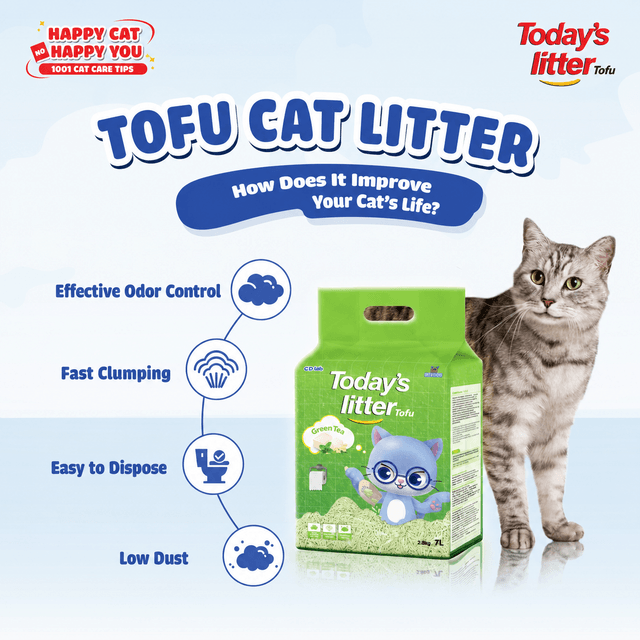
Affordable Cat Litter: Safe, Effective Odor Control, and Budget-Friendly Options

Best Cat Food for Sensitive Stomach & Food Allergies: Top 5 Healthy Choices for Your Cat
Dog Obesity: Causes, Symptoms & Effective Weight Loss Tips
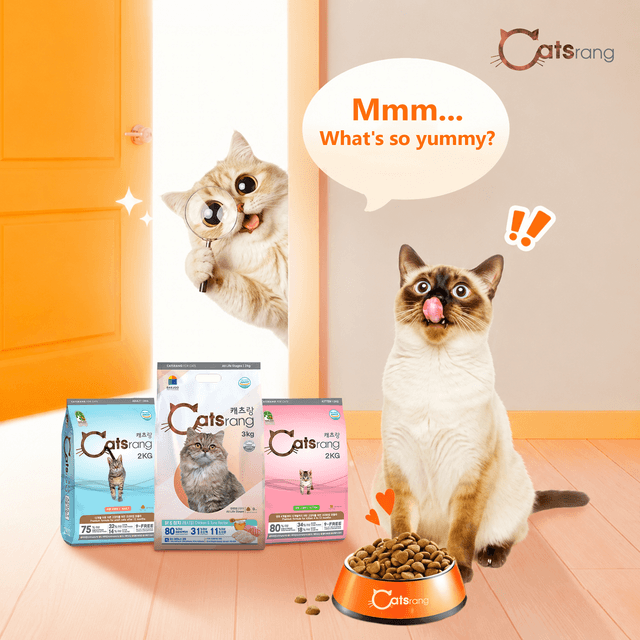
Is Catsrang Cat Food Good? A Complete Review of This Popular Dry Cat Food
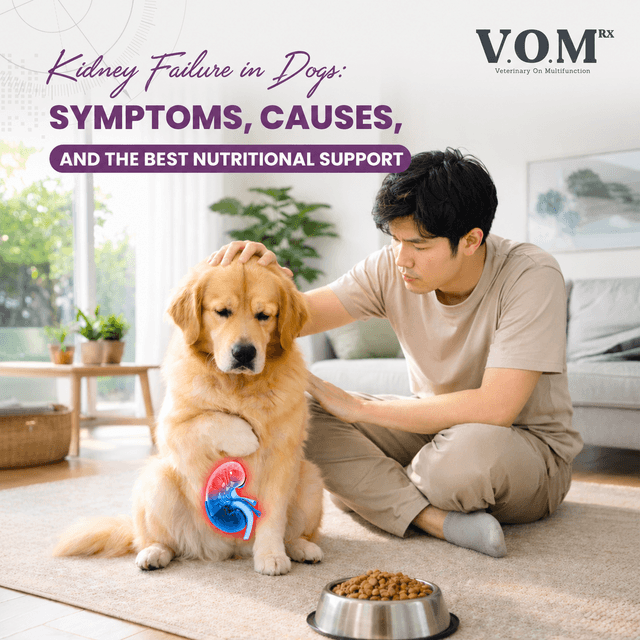
Kidney Failure in Dogs: Symptoms, Causes, and the Best Nutritional Support

ALO – A trusted Vietnamese pet food brand


Wellsome – 100% Insect Protein Pet Food Leading the Green Nutrition Trend for Pets
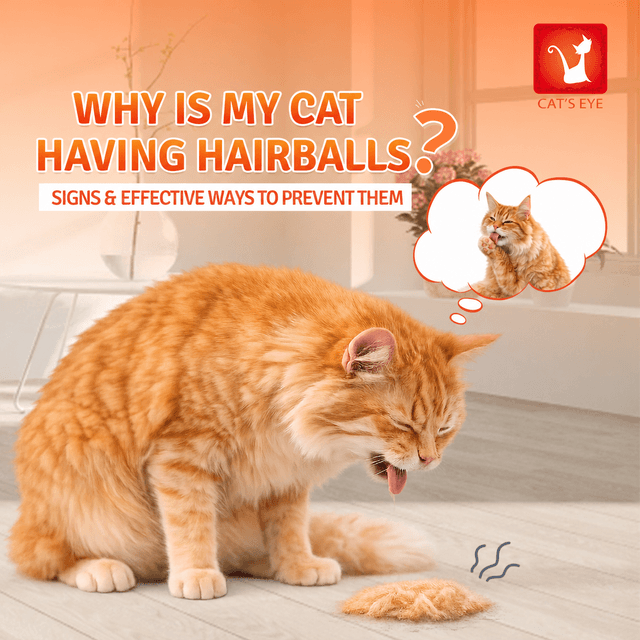
Why Do Cats Get Hairballs? Signs, Causes, and Effective Prevention Tips


_1765521313.png&w=640&q=90)
Decoding the Ingredient List of Cat Kibble with Wonder Cats
_1762999038.jpg&w=640&q=90)