Best Cat Food for Sensitive Stomach & Food Allergies: Top 5 Healthy Choices for Your Cat
A healthy diet plays a vital role in your cat's overall well-being. However, for cats with sensitive stomachs or food allergies, choosing the right dry food can be challenging. The wrong formula may trigger vomiting, diarrhea, itchy skin, excessive grooming, or even loss of appetite. Every cat has unique nutritional needs. That's why the best cat food for sensitive stomachs should contain highly digestible protein, limited ingredients, and nutrients that support digestive and immune health.
In this guide, you'll learn how to recognize food allergies in cats, understand their common causes, discover what to look for in hypoallergenic cat food, and explore five trusted products that help sensitive cats stay healthy and comfortable.
Signs Your Cat May Have a Food Allergy
Food allergies can be difficult to identify because their symptoms often resemble other health conditions. If your cat repeatedly develops digestive or skin problems after eating, their diet could be the cause.
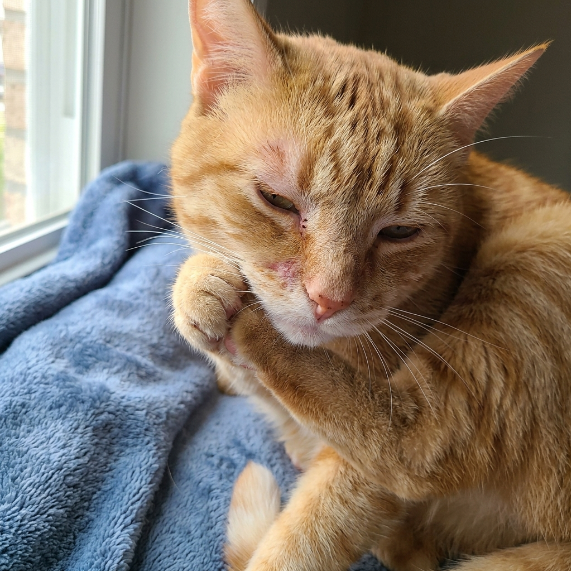
Itchy Skin and Excessive Grooming
One of the most common symptoms is persistent itching. Cats may scratch around the ears, neck, or face, or groom themselves excessively, leading to hair loss, irritated skin, and inflammation.
Digestive Problems
Food-sensitive cats often experience vomiting, diarrhea, soft stools, or frequent bowel movements. If these issues continue after changing foods, switching to dry cat food for sensitive stomachs may help improve digestive health.
Poor Coat Quality
A dull coat, flaky skin, or excessive shedding may indicate poor nutrient absorption caused by food intolerance. Healthy skin and fur often improve once your cat is eating a balanced, easily digestible diet.
Reduced Appetite and Weight Loss
Digestive discomfort can make cats reluctant to eat. Over time, this may lead to weight loss, low energy, and reduced activity. If symptoms persist, consult your veterinarian to rule out underlying medical conditions.
_1784886365.jpg)
What Causes Food Allergies in Cats?
Contrary to popular belief, food allergies don't always appear immediately after introducing a new diet. Many cats develop sensitivities after eating the same ingredients for months or even years.
1. Certain Animal Proteins
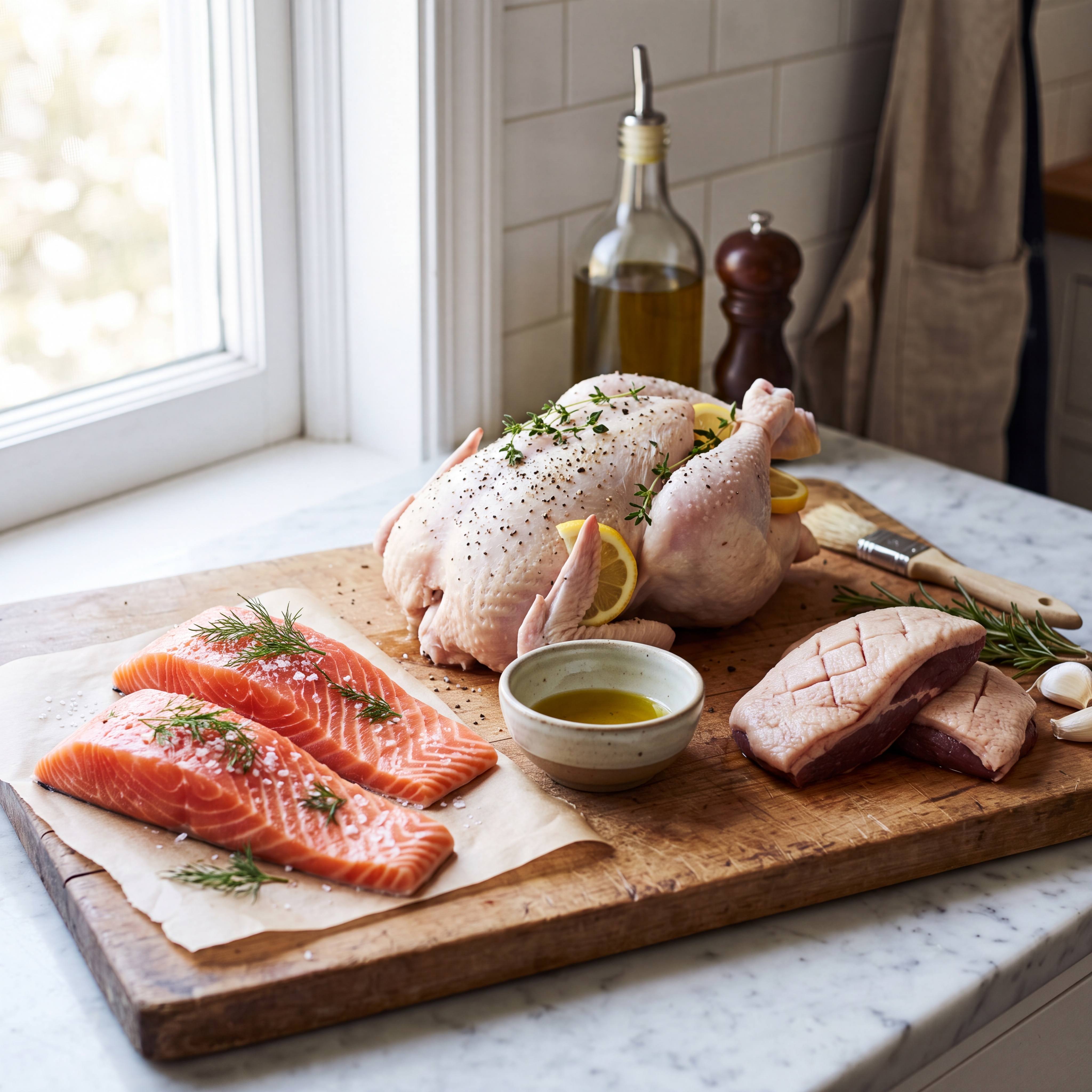
While protein is essential for cats, some individuals become sensitive to common sources such as chicken, beef, or seafood. Many hypoallergenic cat foods now use novel proteins like salmon, duck, lamb, or insect protein because they're less likely to trigger allergic reactions.
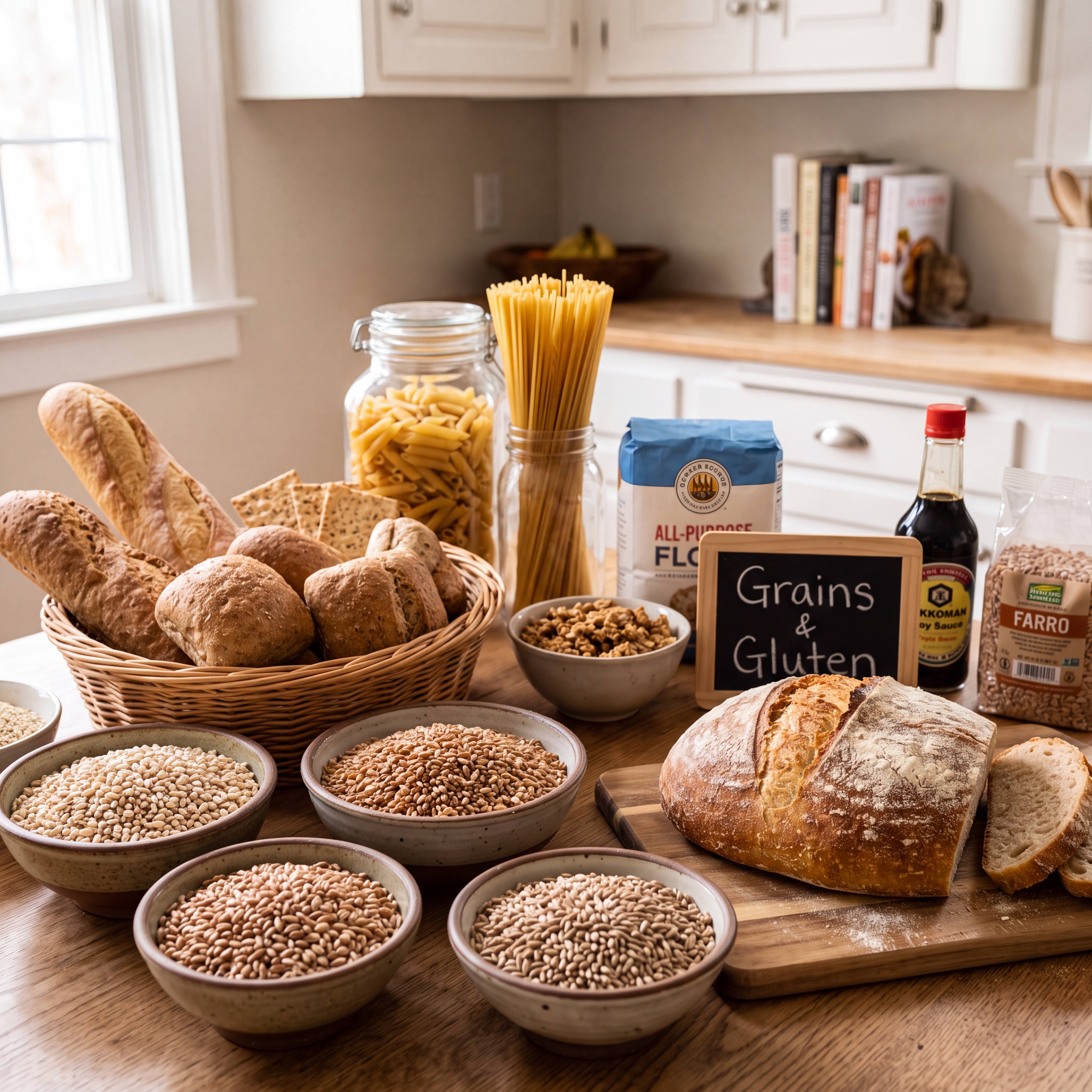
2. Grains and Gluten
Some cats have difficulty digesting wheat, corn, or gluten, resulting in bloating, diarrhea, or loose stools. Although grain-free cat food isn't necessary for every cat, it can benefit those with confirmed grain sensitivities.
3. Artificial Additives
Artificial colors, flavors, and preservatives may contribute to digestive upset or skin irritation in sensitive cats. Look for products made with natural ingredients and transparent labeling.
4. Switching Food Too Quickly
Even healthy cats need time to adjust to a new diet. Gradually transition over 7–10 days by mixing increasing amounts of the new food with the old one. This helps reduce digestive stress and supports a healthy gut microbiome.
5. Individual Sensitivity
Some cats naturally have more sensitive immune or digestive systems. In these cases, feeding a limited ingredient cat food with high-quality protein can significantly reduce symptoms.
How to Choose the Best Cat Food for Sensitive Stomachs
With so many options available, finding the right food can feel overwhelming. Focus on these essential features when choosing the best dry cat food for sensitive cats.
Choose High-Quality Protein
Protein should always be the first ingredient. Look for clearly identified animal proteins such as salmon, chicken, duck, or insect protein instead of vague ingredients like "meat meal" or "animal by-products." Highly digestible protein supports muscle maintenance while placing less stress on the digestive system.
Look for Prebiotics and Probiotics
A healthy gut microbiome improves digestion and nutrient absorption. Foods containing prebiotics or probiotics help balance beneficial bacteria, reduce digestive upset, and improve stool quality.
Support Healthy Skin and Coat
Cats with food allergies often develop itchy skin and poor coat condition. Ingredients rich in Omega-3 and Omega-6 fatty acids help reduce inflammation while promoting healthy skin and a shiny coat.
Keep Ingredients Simple
The fewer unnecessary ingredients, the lower the risk of triggering allergies. Choose products with natural ingredients, limited formulas, and no artificial colors or preservatives whenever possible.
Top 5 Best Cat Foods for Sensitive Stomachs & Food Allergies
Finding the right food isn't about choosing the most expensive brand—it's about selecting a formula that matches your cat's nutritional needs. Below are five highly recommended options trusted by pet owners and veterinarians alike.
Choosing the right food isn't about buying the most expensive brand—it's about finding a formula that matches your cat's digestive needs. Below are five trusted dry cat foods known for supporting digestive health, reducing food sensitivities, and promoting healthy skin and coat.
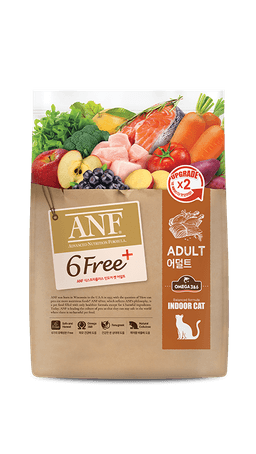
1. ANF – Natural Nutrition for Sensitive Cats
ANF is a premium South Korean pet food brand made with high-quality natural ingredients and minimal artificial additives. Its formula combines highly digestible animal protein with prebiotics, dietary fiber, vitamins, and essential fatty acids to support digestive health and nutrient absorption. Rich in Omega-3 and Omega-6, ANF also helps maintain healthy skin and a soft, shiny coat, making it an excellent choice for cats with both digestive and skin sensitivities.
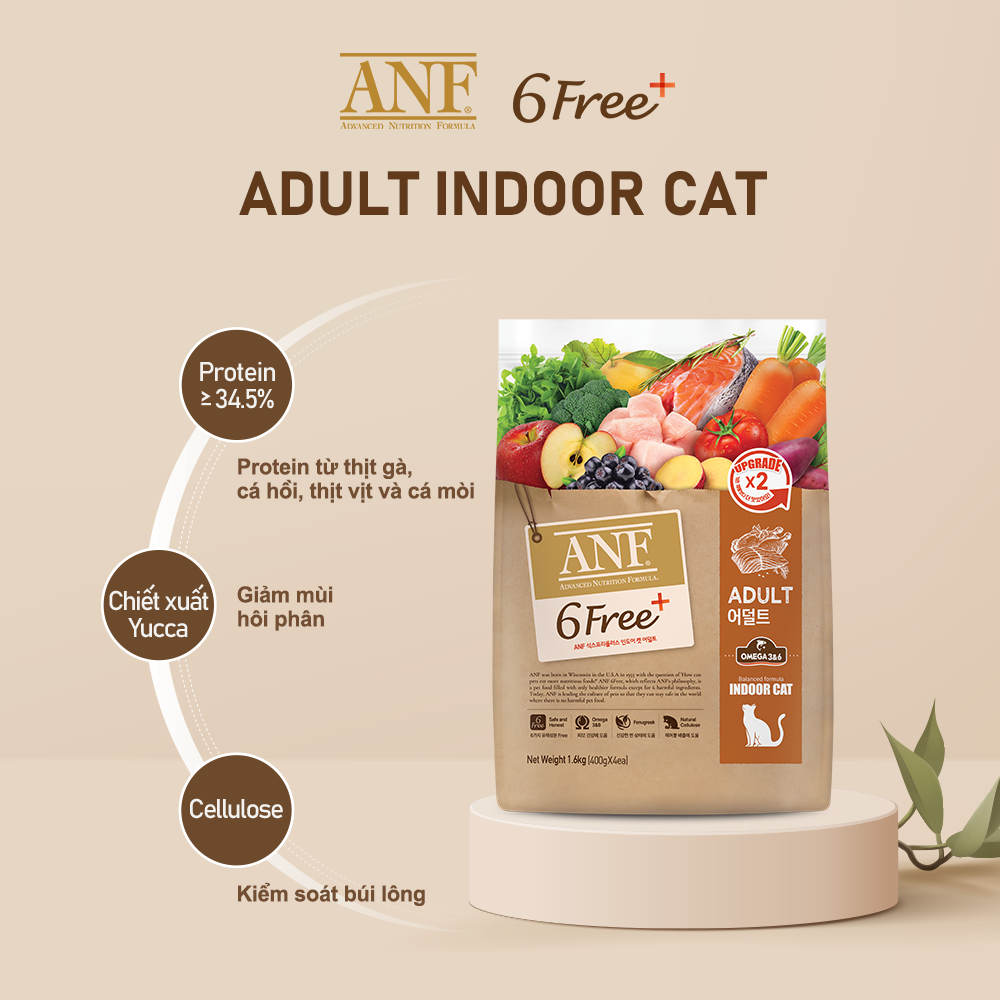
Key Benefits:
- Highly digestible animal protein
- Added prebiotics for gut health
- Supports healthy skin and coat
- No unnecessary artificial additives
Best for: Adult cats with sensitive stomachs or mild food sensitivities.
2. Wellsome – Hypoallergenic Insect Protein Formula
Wellsome features 100% Black Soldier Fly larvae protein, a novel protein source that is highly digestible and less likely to trigger food allergies than traditional animal proteins. Its recipe also includes antimicrobial peptides, lauric acid, brewer's yeast, and seaweed to strengthen the immune system, improve digestion, and support healthier skin and coat.
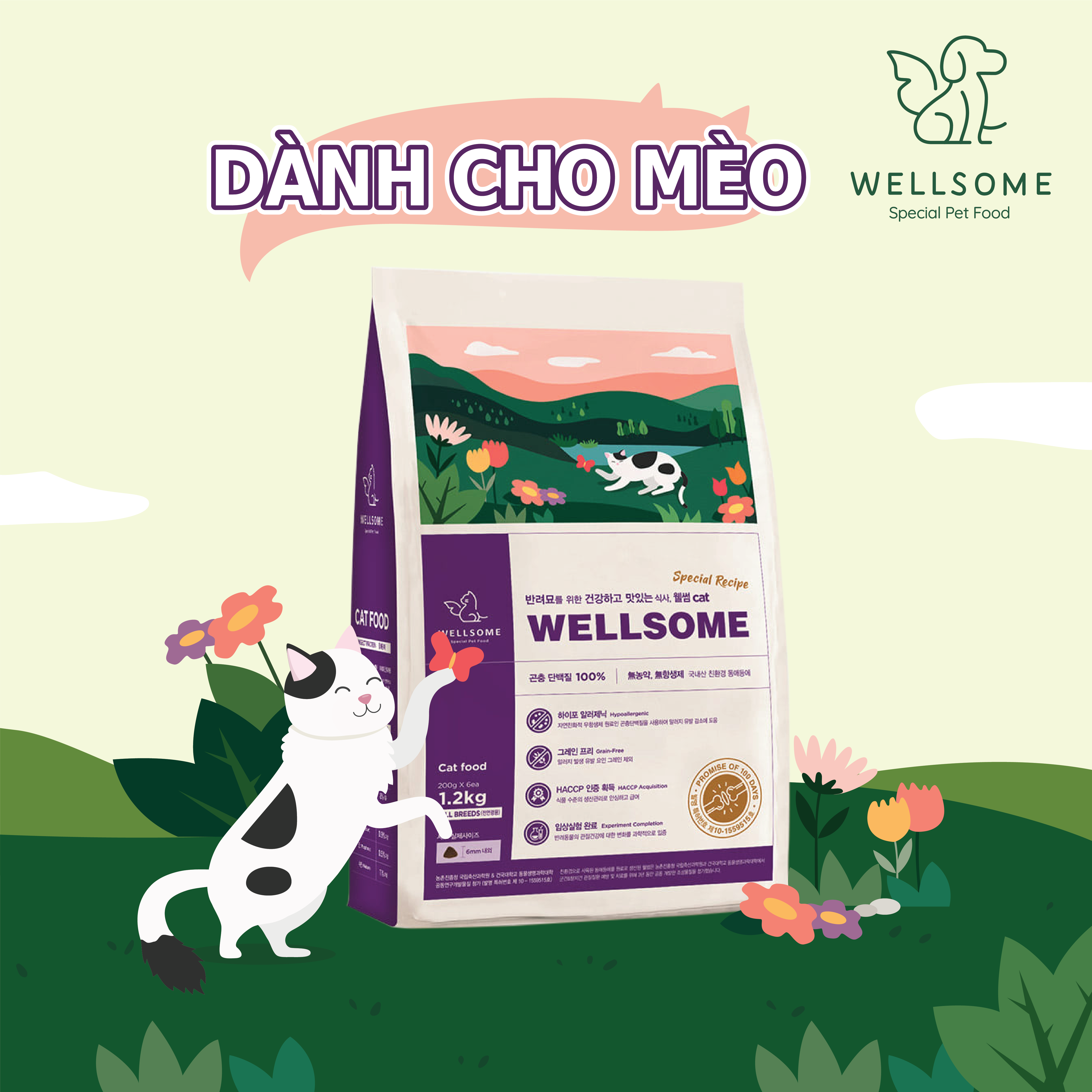
Key Benefits:
- 100% insect protein
- Hypoallergenic formula
- Highly digestible
- Supports skin, coat, and immune health
Best for: Cats with food allergies or frequent digestive issues.
3. Royal Canin Sensible
Royal Canin Sensible is specially formulated for adult cats with sensitive digestive systems. The recipe contains carefully selected proteins and prebiotics that promote a balanced gut microbiome and improve stool quality. Its highly digestible ingredients help reduce digestive discomfort while providing complete daily nutrition.
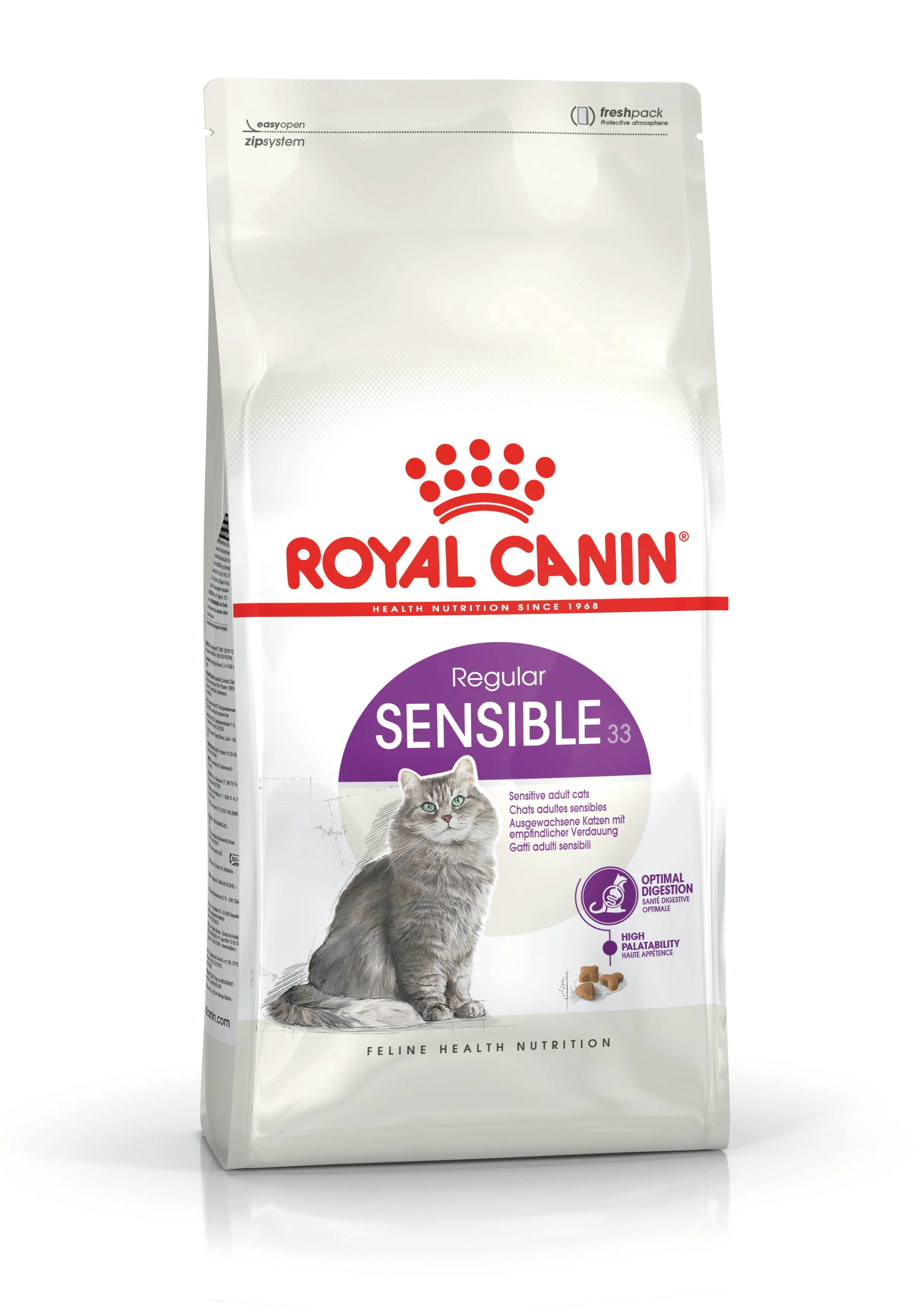
Key Benefits:
- Supports digestive health
- Helps reduce loose stools
- Contains prebiotics for gut balance
- Complete and balanced nutrition
Best for: Cats with recurring digestive problems.
4. Hill's Science Diet Sensitive Stomach & Skin
Hill's Science Diet is developed by veterinarians and nutrition experts to support cats with both digestive and skin sensitivities. The formula contains easily digestible ingredients, natural fiber, Omega-6 fatty acids, and Vitamin E to improve digestion while promoting healthier skin and a glossy coat.
Key Benefits:
- Gentle on sensitive stomachs
- Supports healthy skin and coat
- Rich in vitamins and antioxidants
- Easy to digest
Best for: Cats experiencing both digestive and skin-related issues.
5. Natural Core Grain Free Indoor
Natural Core Grain Free Indoor is designed for indoor cats with grain sensitivities. Its grain-free formula replaces wheat and gluten with easily digestible natural ingredients while maintaining high-quality animal protein. The recipe also helps reduce hairball formation, making it an ideal option for indoor cats.
Key Benefits:
- Grain-free formula
- Easy to digest
- Helps control hairballs
- Natural ingredients
Best for: Indoor adult cats with grain sensitivities or delicate digestive systems.


What Vegetables Can Cats Eat? 7 Safe Vegetables to Add Fiber to Your Cat’s Diet

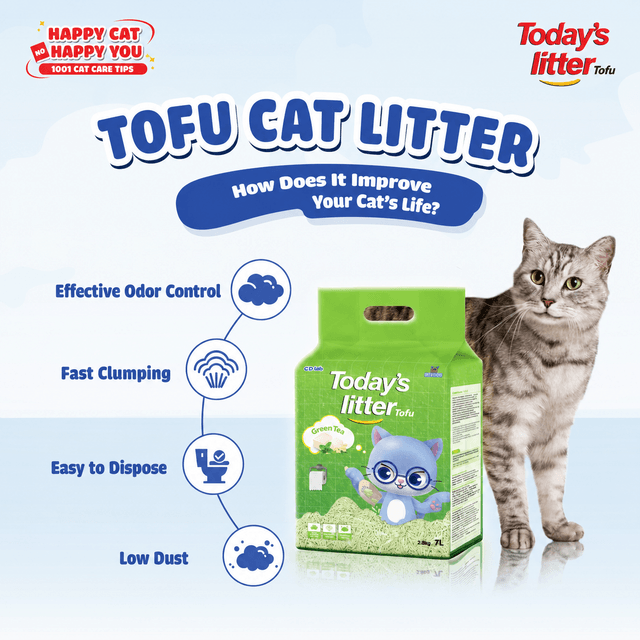
Affordable Cat Litter: Safe, Effective Odor Control, and Budget-Friendly Options
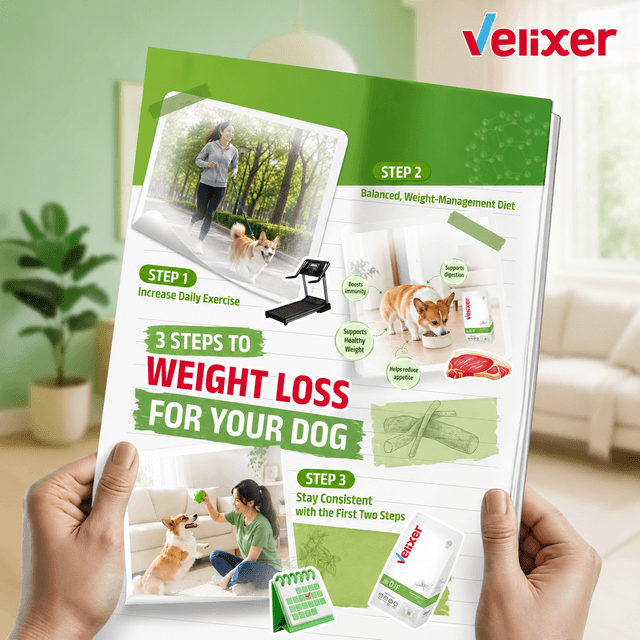
Dog Obesity: Causes, Symptoms & Effective Weight Loss Tips
Is Catsrang Cat Food Good? A Complete Review of This Popular Dry Cat Food
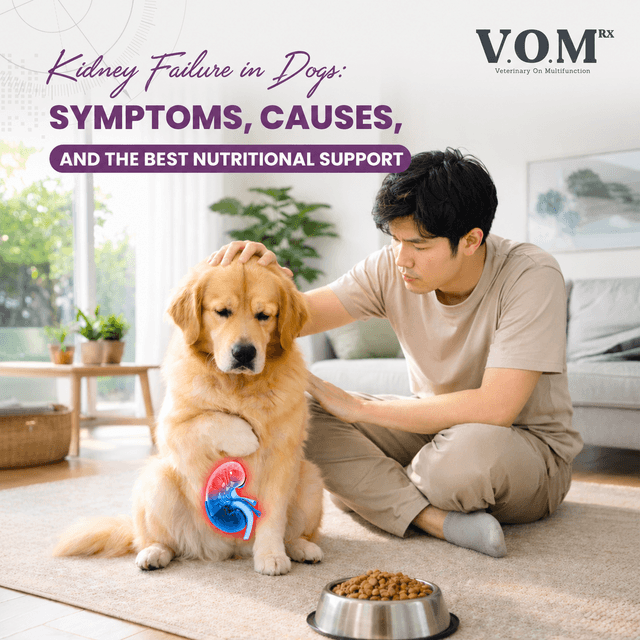
Kidney Failure in Dogs: Symptoms, Causes, and the Best Nutritional Support
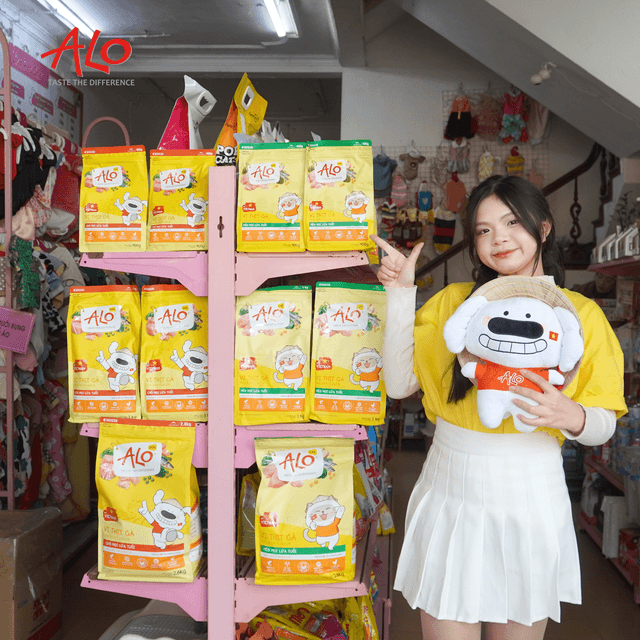
ALO – A trusted Vietnamese pet food brand
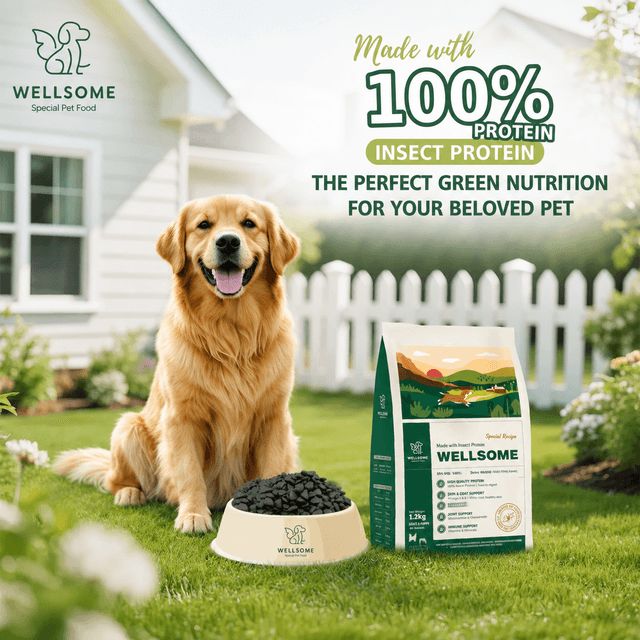
Wellsome – 100% Insect Protein Pet Food Leading the Green Nutrition Trend for Pets
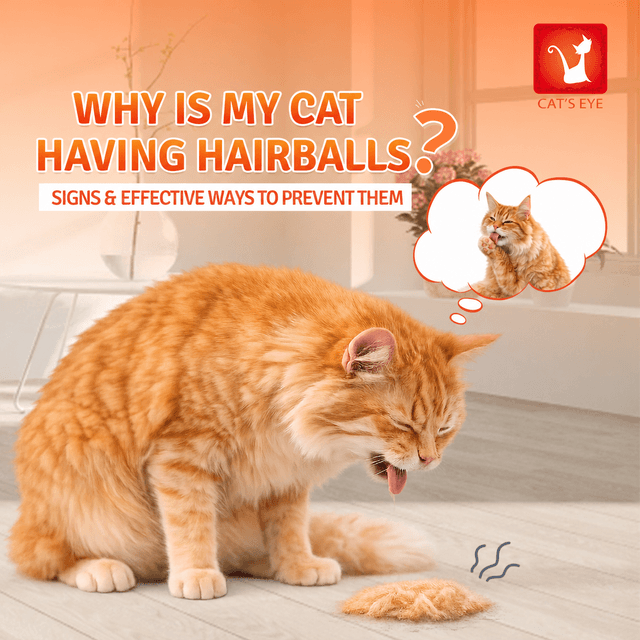
Why Do Cats Get Hairballs? Signs, Causes, and Effective Prevention Tips

_1765521313.png&w=640&q=90)
Decoding the Ingredient List of Cat Kibble with Wonder Cats
_1762999038.jpg&w=640&q=90)