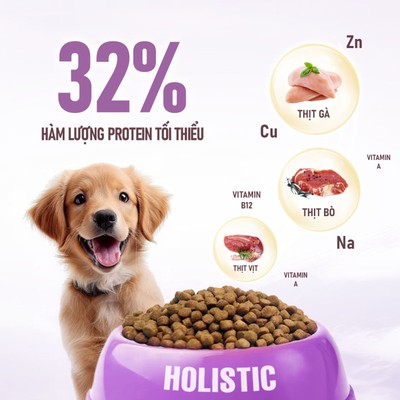
Many people still wonder: what is the best diet for cats to promote their development and reduce the risk of illness during nurturing and care? Let's find out more information in the article below.
1. Nutrition for Kittens (0 to 12 Months Old)
After birth, kittens are entirely dependent on the mother cat and usually do not open their eyes until 7 to 10 days. Around 3–4 weeks of age, they begin to eat solid food and develop teeth. The process of weaning off the mother's milk and transitioning from milk to wet food also occurs during this period. Once kittens reach 6–9 weeks of age, they will start to prefer harder foods.
This is when you should prepare some dry kibble for them. It is best to divide the food into small meals, feeding the kitten 5–6 times a day. Additionally, you can choose fresh food with a high water content. Fresh cat food often contains 75% water, which is a crucial supplement.
During the weaning and post-weaning stages, it's not always possible for owners to prepare perfectly balanced meals for their kittens. Therefore, you should feed your kitten pre-packaged foods from reputable, quality brands. These types of food have been meticulously formulated by the manufacturer to provide the appropriate nutritional content and ratios suitable for a kitten's digestive system.
This entire transition requires a nutritional balance between the kitten and the mother cat, as well as patience from the owner. Kittens require a diet high in calories and must contain more protein than an adult cat's diet.
_1762936068.png)
Nutrition for kittens
2. Nutrition for Adult Cats
Adult cats require a nutritious and balanced diet to maintain their weight and health. During this stage, the cat's digestive tract is fully developed. You can determine their daily food portion based on their weight, health status, and activity level. As a standard energy reference, an average-weight adult cat will need about 250 Calories per day to maintain health.
The most important factor to note is the water intake as cats tend to drink very little. Therefore, using a combination of food and water to supplement their hydration is very important. If you only feed your cat dry food, it can easily lead to health issues related to the urinary tract.
_1762935094.png)
Nutrition for adult cats
3. Essential Nutrients for Cats
- Water: Always ensure a sufficient supply of clean water. Adequate water intake also prevents diseases like kidney stones and urinary tract issues.
- Protein, especially animal protein: Protein produces antibodies, enzymes, hormones, and tissues, and balances $\text{pH}$ in cats. This nutrient provides the energy for a cat's growth and development.
- Fats and Fatty Acids: Omega-3 and Omega-6 help absorb fat-soluble vitamins and play a role in protecting and maintaining internal organs.
- Vitamins and Enzymes: Vitamins, combined with minerals and enzymes, participate in the body's metabolism, helping to maintain healthy skin and a beautiful coat for the cat.
- Calcium: A very important substance for structuring and maintaining strong and healthy bones.
- Taurine: An essential amino acid for cats, which helps regulate heart rhythm, digestion, and reproductive ability. A deficiency of taurine in cats can cause central retinal degeneration, leading to irreversible blindness, as well as heart failure.
We hope this information helps you learn more useful facts about a cat's diet. Always ensure your cat eats a nutritionally complete diet to stay healthy and thrive!

What Vegetables Can Cats Eat? 7 Safe Vegetables to Add Fiber to Your Cat’s Diet

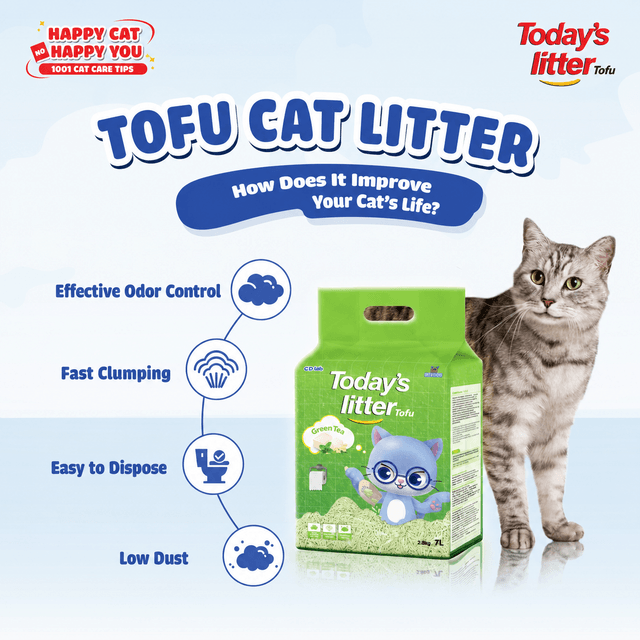
Affordable Cat Litter: Safe, Effective Odor Control, and Budget-Friendly Options

Best Cat Food for Sensitive Stomach & Food Allergies: Top 5 Healthy Choices for Your Cat

Dog Obesity: Causes, Symptoms & Effective Weight Loss Tips

Is Catsrang Cat Food Good? A Complete Review of This Popular Dry Cat Food
Kidney Failure in Dogs: Symptoms, Causes, and the Best Nutritional Support

ALO – A trusted Vietnamese pet food brand


Wellsome – 100% Insect Protein Pet Food Leading the Green Nutrition Trend for Pets
Why Do Cats Get Hairballs? Signs, Causes, and Effective Prevention Tips


_1765521313.png&w=640&q=90)
Decoding the Ingredient List of Cat Kibble with Wonder Cats
_1762999038.jpg&w=640&q=90)