5 Ways to Add Fiber for a Healthy and Happy Cat
Taking care of a cat is not just about choosing tasty food; it also means building a balanced diet. Among the essential nutrients, fiber for cats is an important component that is often overlooked by many pet owners. Although fiber only makes up a small portion of a cat’s diet, it plays an important role in supporting digestion, reducing hairballs, and maintaining a healthy intestinal tract.
When cats do not get enough fiber, they may experience problems such as constipation, indigestion, vomiting caused by hairballs, or irregular bowel movements. If these problems persist, nutrient absorption may also be affected, causing your cat to lose its appetite and become less resilient. So, how can you add fiber to your cat’s diet properly? In this article, let’s explore the role of fiber for cats and 5 simple ways to help your cat maintain a healthy digestive system every day.
Why Should You Add Fiber to Your Cat’s Diet?
Many people believe that cats do not need fiber because they are carnivores. In reality, although cats do not require as much fiber as humans, it is still an important component for maintaining effective digestive function. An appropriate amount of fiber can help food move more easily through the digestive tract while supporting a balanced gut microbiome and improving nutrient absorption.
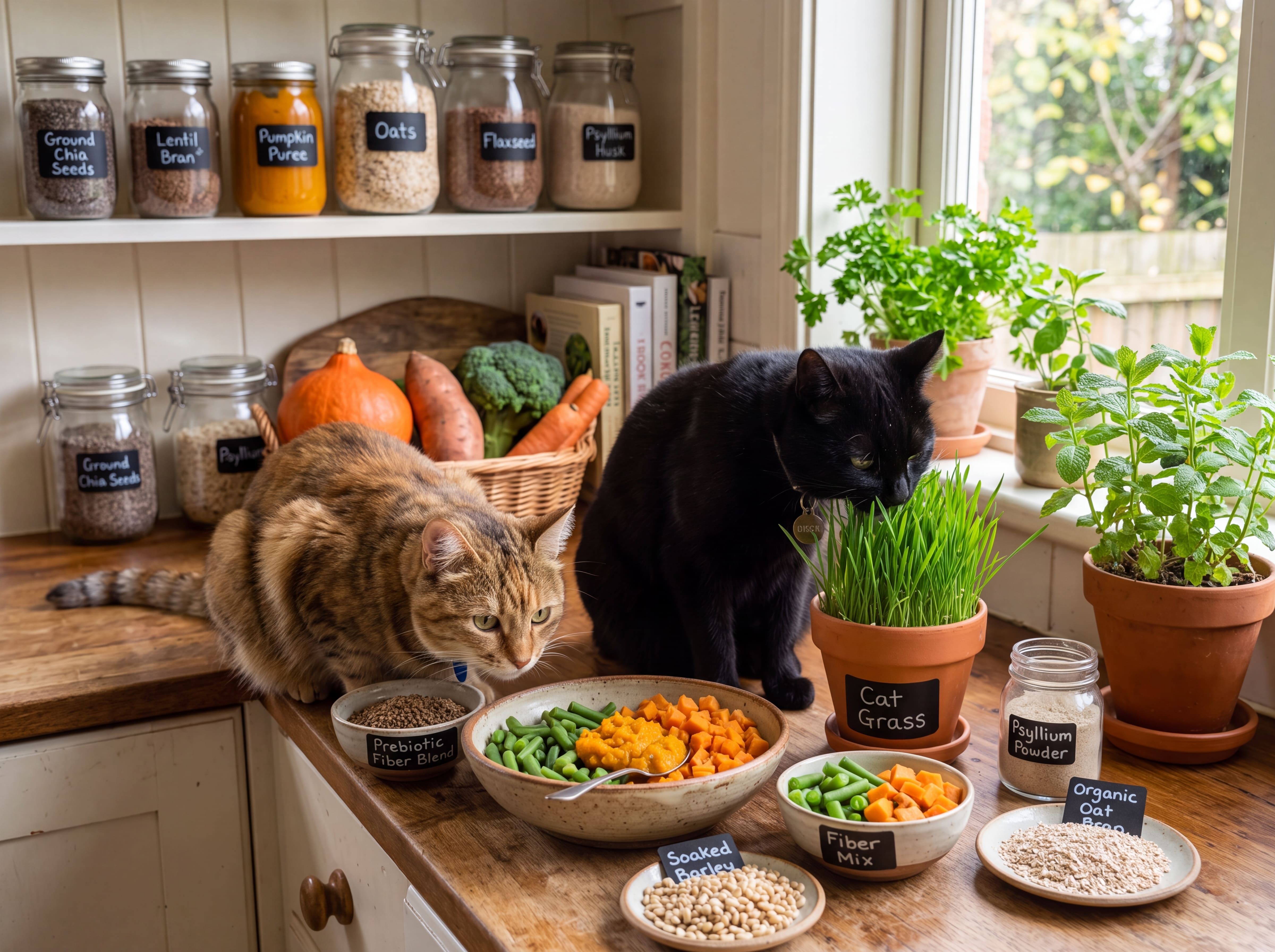
In addition to supporting digestion, fiber for cats can help reduce constipation and limit the formation of hairballs in the stomach. For indoor cats or cats that frequently groom themselves, providing enough fiber can help hair pass naturally through the digestive tract instead of accumulating in the stomach.
Fiber can also help cats feel fuller for longer, support weight management, and maintain a stable digestive system. This is why many cat food formulas today include fiber from vegetables, fruits, or other natural ingredients.
TOP 5 Easy Ways to Add Fiber to Your Cat’s Diet
There are many ways to increase the amount of fiber in a cat’s diet. However, it is important to choose a method that suits each cat’s preferences and health condition. Here are some simple options you can apply at home.
1. Add Fiber-Rich Foods
One of the most natural ways to add fiber to your cat’s diet is to include safe vegetables in their meals. Pumpkin, carrots, zucchini, and peas all contain moderate amounts of fiber and can be easy to digest when prepared properly. You should steam them, mash them finely, and mix them with your cat’s food to help your cat get used to them.
However, vegetables should only make up a small portion of the daily diet. Cats are still obligate carnivores, so their primary source of nutrition should come from animal protein. Adding fiber in the right proportion can help your cat benefit from fiber without disrupting nutritional balance.
2. Add Suitable Fruits in Small Amounts
In addition to vegetables, some fruits such as pumpkin, seedless apples, or blueberries can provide additional fiber and vitamins for cats. They should only be given in small amounts as a snack and should not replace the main meal. At the same time, avoid fruits with seeds or ingredients that can be toxic to cats, such as grapes, raisins, or avocado.
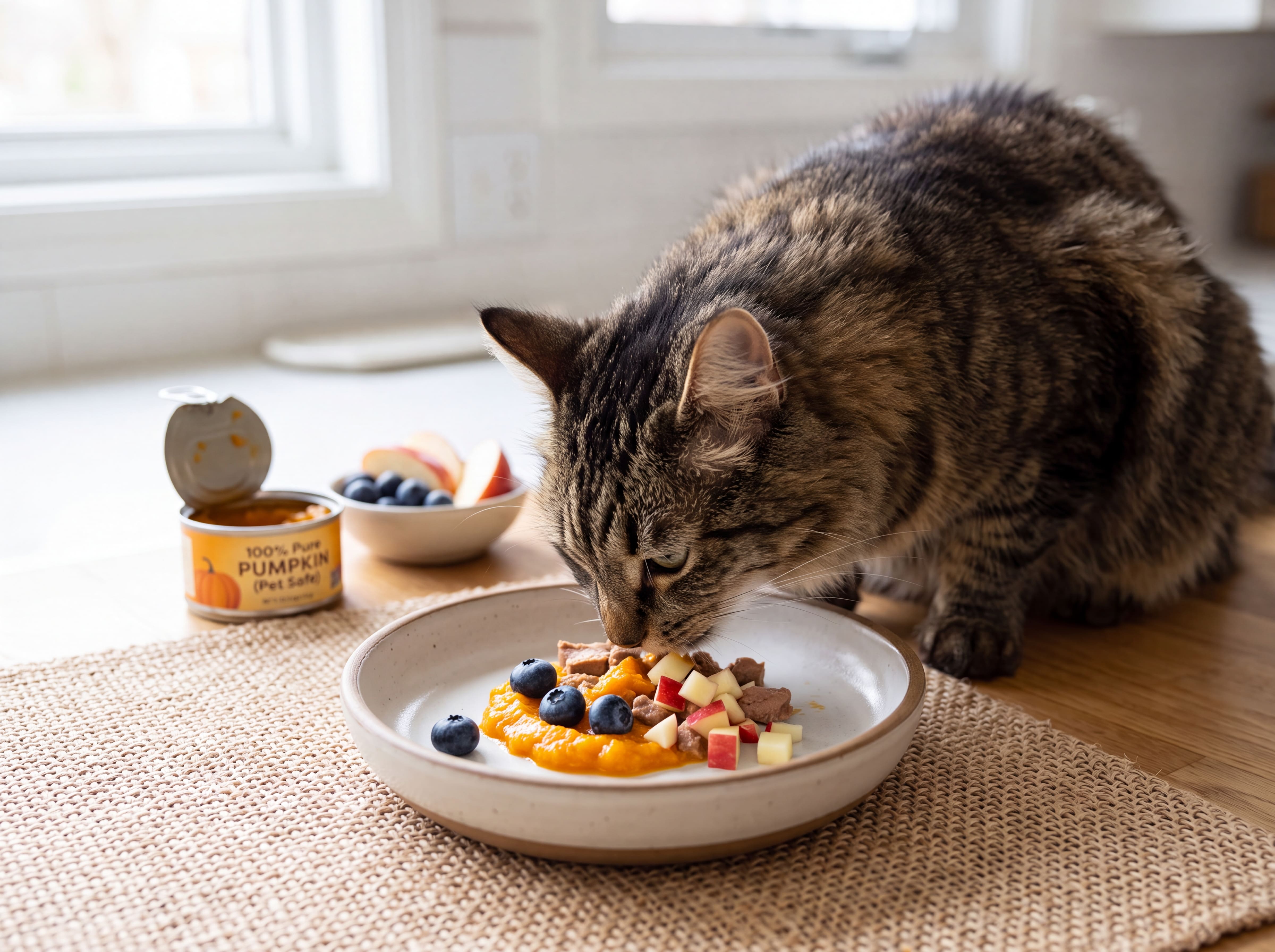
When introducing a new food, observe your cat’s reaction during the first few days. If signs such as diarrhea or vomiting occur, stop feeding the food and consult a veterinarian.
3. Give Your Cat Cat Grass
For cats that frequently groom themselves, cat grass is a natural way to add fiber to their diet. The fiber content in cat grass can stimulate intestinal movement, support hairball elimination, and reduce vomiting caused by hair accumulating in the stomach. It is also a popular choice among owners of indoor cats.
You can grow cat grass at home or purchase specialized seeds to ensure safety. However, your cat should only consume it in moderate amounts and continue to follow a balanced diet for the best results.
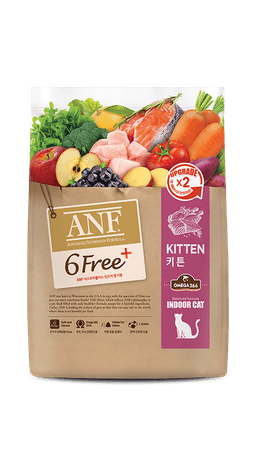
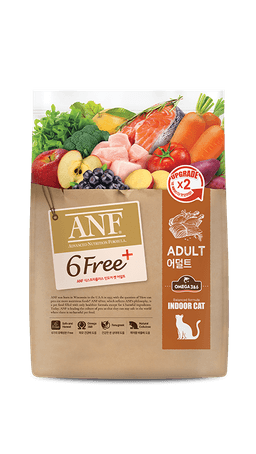
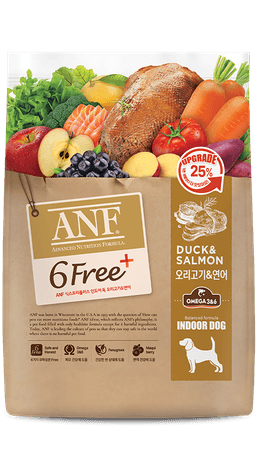
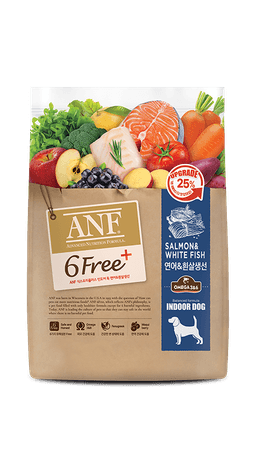
4. Choose High-Fiber Cat Food Such as ANF
Besides adding vegetables or cat grass, choosing cat food with a digestive-support formula is also a solution preferred by many pet owners. A nutritionally balanced product can provide cats with adequate fiber, protein, and essential nutrients in every meal while reducing the risk of nutritional deficiencies caused by inappropriate food supplementation.
ANF is a cat food brand from South Korea, developed with a formula focused on digestive health. The product uses high-quality animal protein combined with natural fiber, prebiotics, and nutrients that support the digestive tract. This combination helps balance the gut microbiome, improve nutrient absorption, and support better stool quality or digestive health in some cats with sensitive digestive systems.
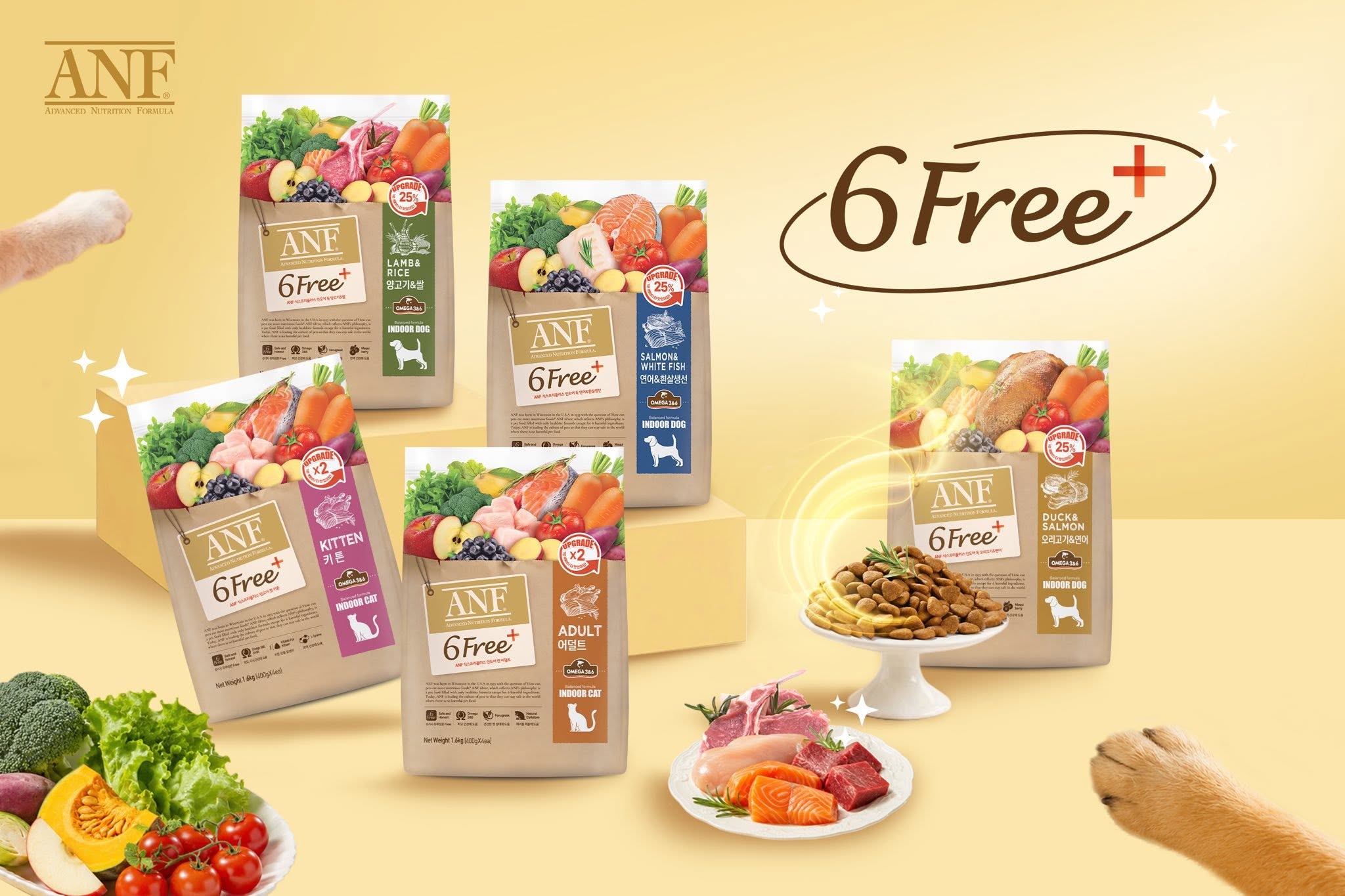
In addition to digestive support, ANF provides Omega-3, Omega-6, vitamins, and minerals to nourish healthy skin, reduce dry and brittle fur, and maintain a soft, smooth coat. Its balanced formula also contributes to supporting the immune system, helping cats stay healthy from the inside out.
In particular, ANF follows the 6Free philosophy, limiting unnecessary ingredients such as artificial colors, preservatives, or low-quality raw materials. As a result, the product is suitable for long-term use for many cat breeds, especially cats with sensitive digestive systems that often experience indigestion or require a gentler diet.
5. Add Fiber in the Right Amount
Many people think that the more fiber they add, the better. However, this is not entirely correct. Excessive fiber intake may cause bloating, diarrhea, or reduced absorption of certain important nutrients.
Therefore, add fiber for cats appropriately through a balanced diet and monitor your cat’s response. If you want to change your cat’s diet or introduce new foods, do so gradually to give the digestive system enough time to adapt.
Important Notes When Adding Fiber to Your Cat’s Diet
Adding fiber properly can provide many benefits, but inappropriate supplementation may still affect your cat’s digestive system. The key is to maintain a balance between protein, fat, and fiber in the daily diet.
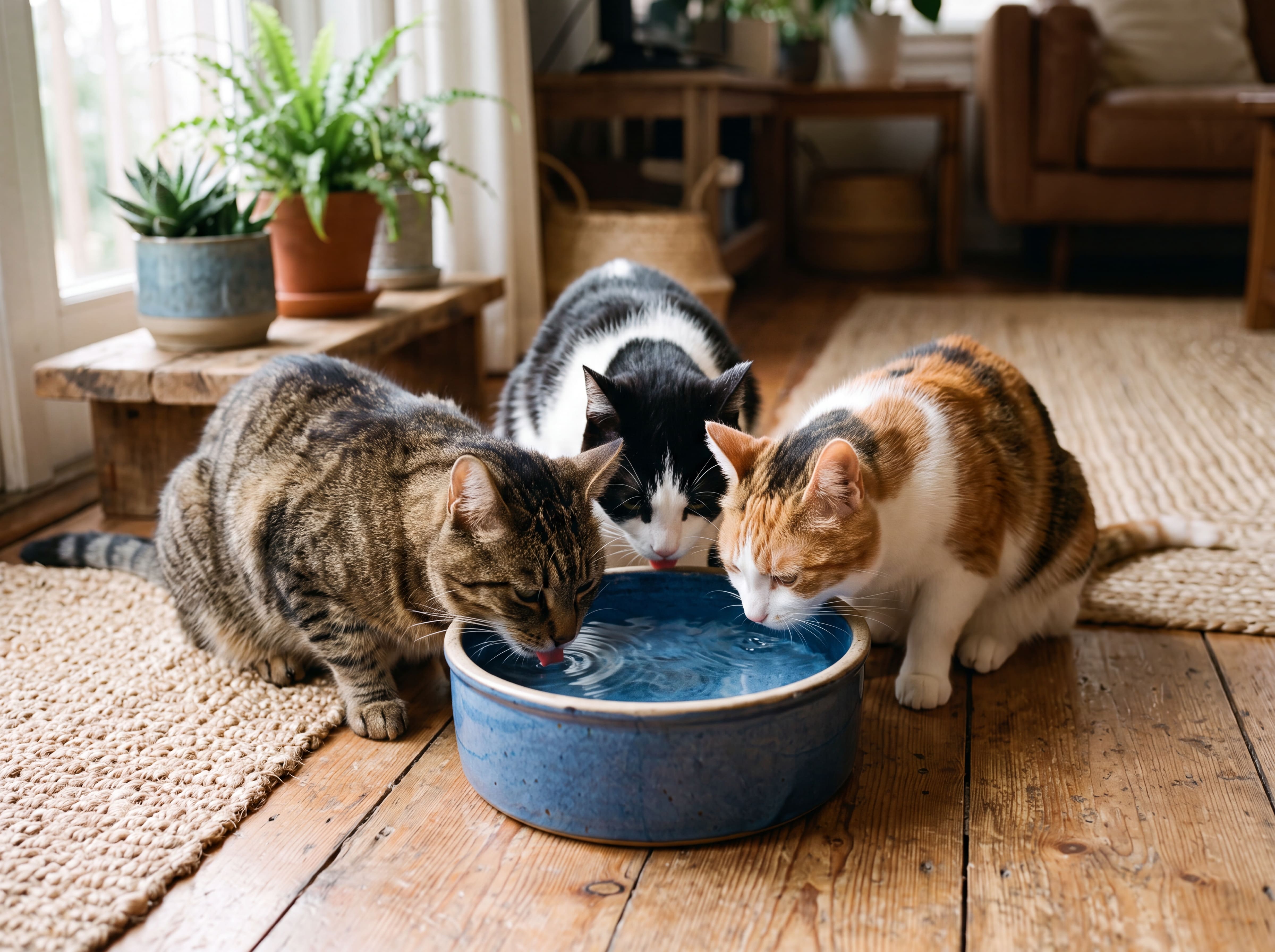
In addition, cats need adequate water intake when their dietary fiber intake increases. Water helps fiber work effectively, supports digestion, and reduces the risk of constipation. You should also monitor your cat’s stool, appetite, and activity level to adjust the diet when necessary.
If your cat frequently experiences constipation, vomiting caused by hairballs, or prolonged digestive problems, take them to a veterinarian for examination. Identifying the underlying cause will help determine the appropriate diet and provide long-term benefits.
Although fiber only makes up a small portion of a cat’s diet, fiber for cats plays an important role in maintaining a healthy digestive system, supporting hairball elimination, and improving nutrient absorption. Providing fiber appropriately can help your cat eat better, maintain regular bowel movements, and reduce various digestive problems.
Besides adding vegetables, fruits, or cat grass, you should also prioritize balanced and nutrient-rich cat food. With quality ingredients and digestive-supporting components, ANF is a worthwhile option to consider for supporting your cat’s long-term health.








What Vegetables Can Cats Eat? 7 Safe Vegetables to Add Fiber to Your Cat’s Diet

Affordable Cat Litter: Safe, Effective Odor Control, and Budget-Friendly Options
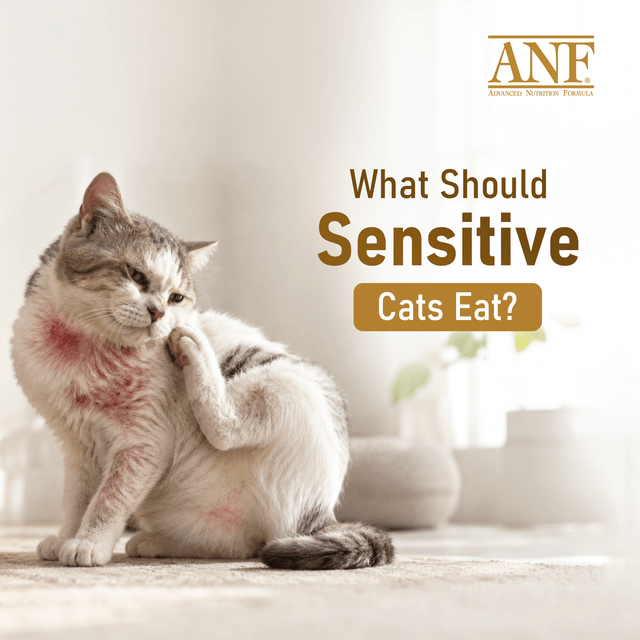
Best Cat Food for Sensitive Stomach & Food Allergies: Top 5 Healthy Choices for Your Cat
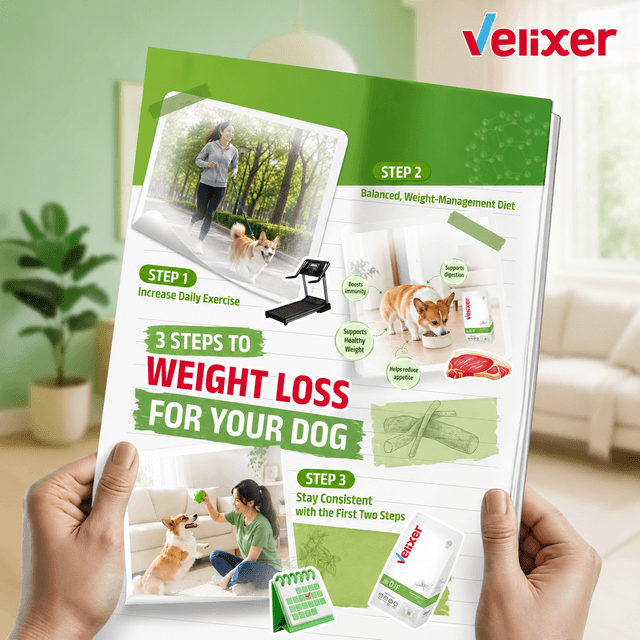
Dog Obesity: Causes, Symptoms & Effective Weight Loss Tips
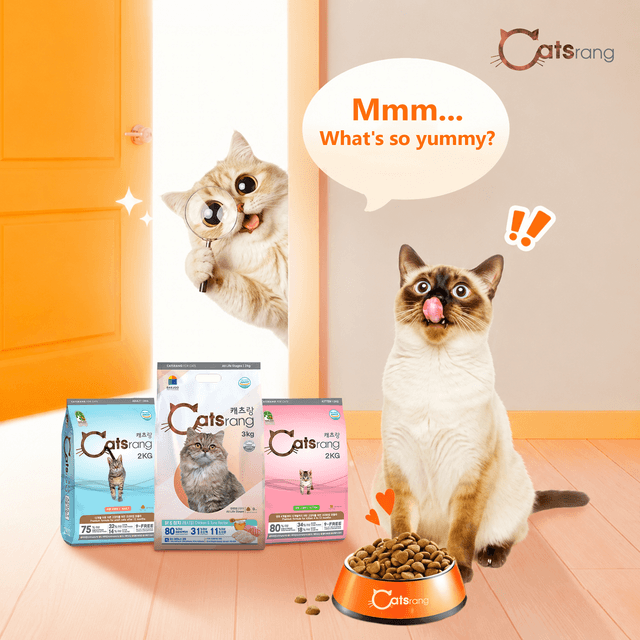
Is Catsrang Cat Food Good? A Complete Review of This Popular Dry Cat Food
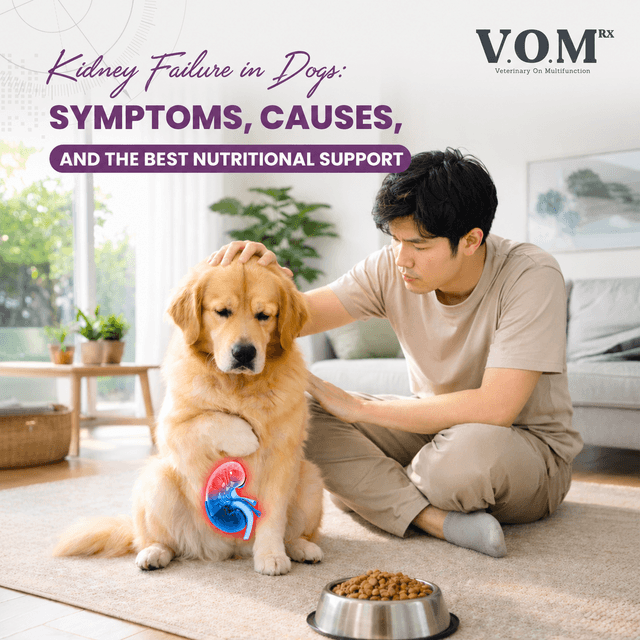
Kidney Failure in Dogs: Symptoms, Causes, and the Best Nutritional Support

ALO – A trusted Vietnamese pet food brand
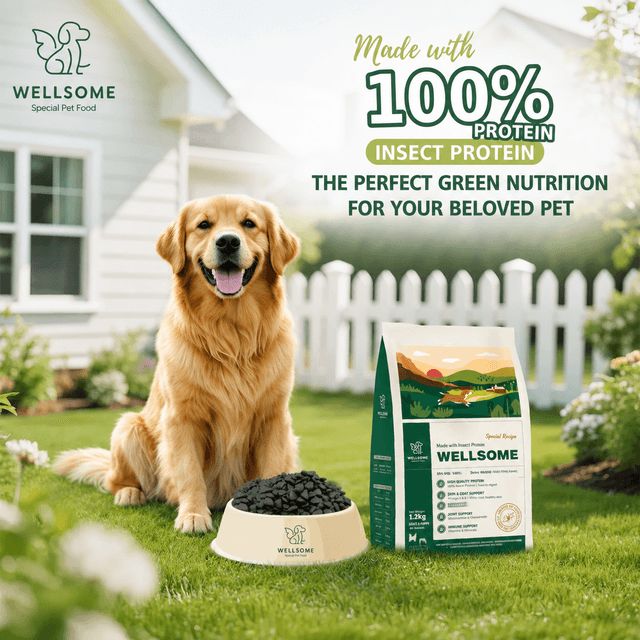
Wellsome – 100% Insect Protein Pet Food Leading the Green Nutrition Trend for Pets
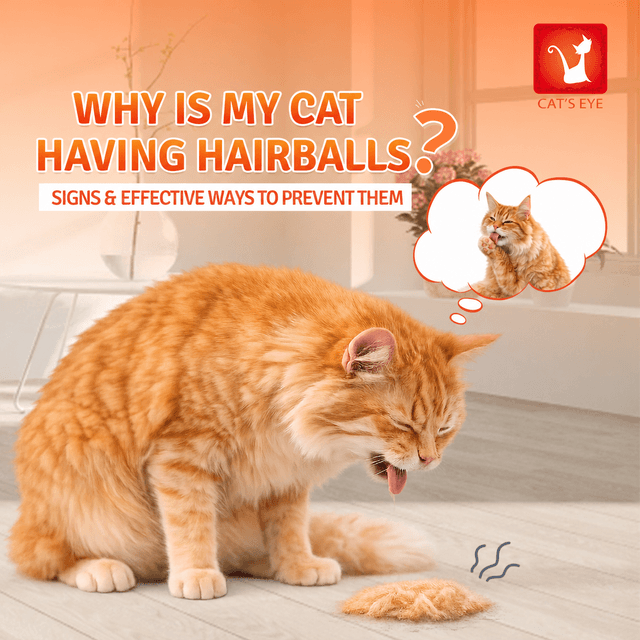
Why Do Cats Get Hairballs? Signs, Causes, and Effective Prevention Tips


_1765521313.png&w=640&q=90)
Decoding the Ingredient List of Cat Kibble with Wonder Cats
_1762999038.jpg&w=640&q=90)