
Kidney Failure in Dogs: Symptoms, Causes, and the Best Nutritional Support
Have you noticed your dog drinking excessive amounts of water, urinating more frequently than usual, losing their appetite, or losing weight unexpectedly? These could be early warning signs of kidney failure in dogs. Unfortunately, many pet owners don't recognize the disease until it reaches an advanced stage, when treatment becomes more difficult and expensive. Understanding the symptoms and providing the right care early can significantly improve your dog's quality of life.
What Is Kidney Failure in Dogs?
Kidney failure in dogs is a condition in which the kidneys lose their ability to filter waste products and toxins from the bloodstream effectively. The kidneys function as the body's natural filtration system. When they become damaged, waste products accumulate in the blood, affecting multiple organs and leading to serious health complications.
There are two main types of kidney failure:
Acute Kidney Failure
Acute kidney failure develops suddenly and is often caused by poisoning, severe infections, dehydration, or certain medications. With prompt veterinary treatment, kidney function may partially or fully recover.
Chronic Kidney Disease (CKD)
Chronic kidney disease progresses gradually over months or years. The damage is irreversible, but early diagnosis and proper management can slow disease progression and improve your dog's quality of life.
Symptoms of Kidney Failure in Dogs
Recognizing the symptoms of kidney disease in dogs as early as possible is essential for successful treatment.
Early Symptoms
During the early stages, the signs are often mild and easy to overlook.
Common symptoms include:
- Increased thirst
- Frequent urination
- Mild fatigue
- Reduced activity levels
Although your dog may still appear relatively healthy, these subtle changes should not be ignored.
Advanced Symptoms
As kidney disease progresses, more serious symptoms begin to appear, including:
- Loss of appetite
- Rapid weight loss
- Vomiting
- Diarrhea
- Bad breath caused by toxin buildup
- Dry, dull coat
- Weakness and lethargy
In severe cases, dogs may experience seizures, collapse, or even fall into a coma.

These symptoms significantly reduce your dog's overall health and quality of life, making early diagnosis especially important.
Common Causes of Kidney Failure in Dogs
Several factors can contribute to kidney disease in dogs, including:
Poor Diet
One of the leading causes is long-term consumption of low-quality food that contains excessive salt, unhealthy fats, or poorly digestible protein sources. Over time, this places unnecessary strain on the kidneys.
Insufficient Water Intake
Dogs that do not drink enough water are at greater risk of dehydration, which increases the workload on the kidneys.
Poisoning
Exposure to toxic foods, household chemicals, poisonous plants, or inappropriate medication can cause sudden kidney damage.
Aging
Senior dogs naturally experience a decline in kidney function, making them more susceptible to chronic kidney disease.
Underlying Medical Conditions
Kidney stones, urinary tract infections, parasites, and chronic inflammatory diseases may also increase the risk of kidney failure.

What Should You Do If Your Dog Shows Signs of Kidney Failure?
If you notice any symptoms of kidney disease, you should seek veterinary care immediately.
Visit Your Veterinarian
Your veterinarian may recommend:
- Blood tests
- Urinalysis
- Ultrasound imaging
- Kidney function evaluation
Early diagnosis greatly improves treatment outcomes.
Adjust Your Dog's Diet
Nutrition plays a critical role in managing kidney disease.
A renal-friendly diet should include:
- Controlled protein levels
- Highly digestible ingredients
- Reduced phosphorus content
- Nutrients that support kidney function
Choose a Specialized Renal Diet
Veterinarians often recommend a therapeutic renal diet specifically formulated for dogs with kidney disease. These specialized formulas help reduce the workload on the kidneys while supporting overall health.

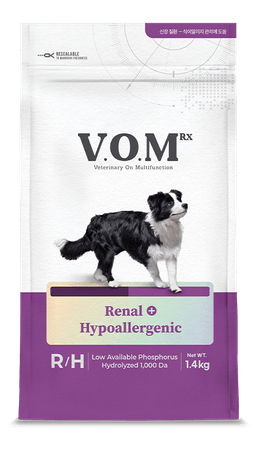
Why Choose V.O.M R/H for Dogs with Kidney Disease?
V.O.M R/H is specially formulated to provide nutritional support for dogs suffering from kidney disease.
Its advanced formula offers several important benefits:
Controlled Phosphorus and Protein Levels
Helps slow the progression of kidney disease while providing adequate nutrition. Omega-3 Fatty Acids and B Vitamins. Supports kidney function, helps reduce protein loss through urine, slows the decline in glomerular filtration rate (GFR), and prevents vitamin deficiencies.
Hydrolyzed Protein
Hydrolyzed protein is easier to digest and reduces the metabolic burden placed on damaged kidneys.
Toxin-Binding Ingredients
Special ingredients help bind uremic toxins within the digestive tract, protecting the intestinal lining, improving kidney function, and reducing the harmful effects of toxin accumulation.
How to Prevent Kidney Disease in Dogs
Although kidney disease cannot always be prevented, healthy daily habits can significantly reduce the risk.
Ensure Adequate Water Intake
Always provide fresh, clean drinking water and encourage your dog to stay well hydrated.
Feed a Balanced, High-Quality Diet
Choose premium dog food with balanced nutrition and avoid foods that are excessively salty or high in unhealthy fats.
Schedule Regular Veterinary Checkups
Routine health examinations every 6 to 12 months help detect kidney problems before noticeable symptoms develop.
Avoid Unnecessary Medications
Never give medications without veterinary guidance, as some drugs can damage the kidneys.
Consider Early Nutritional Support
Dogs at higher risk of kidney disease may benefit from veterinary-recommended renal diets such as V.O.M R/H, which help maintain kidney health before severe damage occurs.
Conclusion
Kidney failure in dogs is a serious medical condition, but early diagnosis and proper management can make a significant difference.
By recognizing the warning signs, providing appropriate veterinary care, and feeding a kidney-supportive diet, you can help your dog enjoy a healthier and more comfortable life.
If your dog belongs to a high-risk group or has already been diagnosed with kidney disease, consult your veterinarian about whether a specialized renal diet like V.O.M R/H is the right nutritional solution.

How To Transition Cat Food: A 7–Day Schedule to Prevent Digestive Upset

Cat Nutrition: How to Choose the Right Dry Cat Food with Wonder Cats

What Vegetables Can Cats Eat? 7 Safe Vegetables to Add Fiber to Your Cat’s Diet


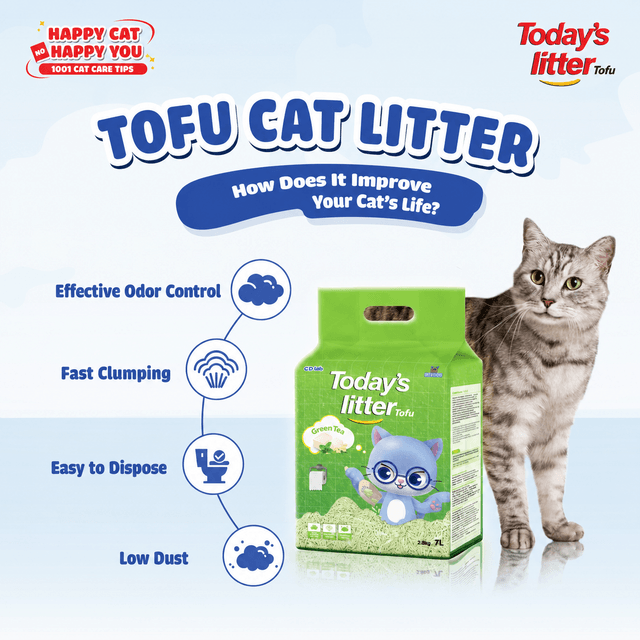
Affordable Cat Litter: Safe, Effective Odor Control, and Budget-Friendly Options

Best Cat Food for Sensitive Stomach & Food Allergies: Top 5 Healthy Choices for Your Cat
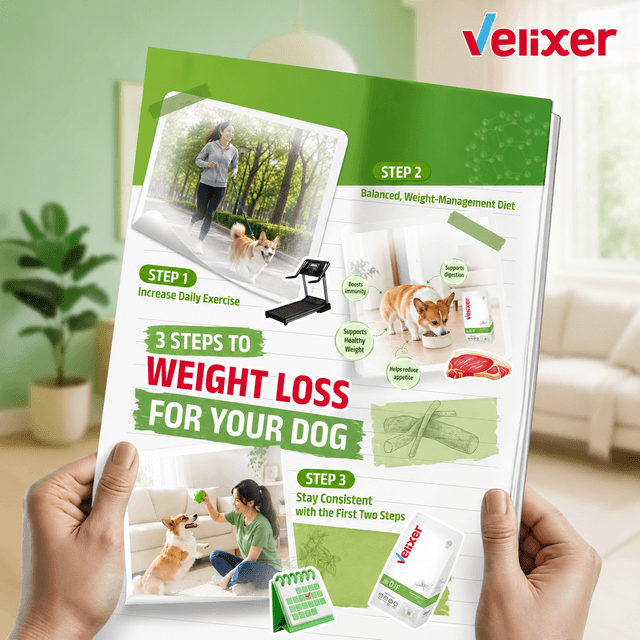
Dog Obesity: Causes, Symptoms & Effective Weight Loss Tips

Is Catsrang Cat Food Good? A Complete Review of This Popular Dry Cat Food

ALO – A trusted Vietnamese pet food brand

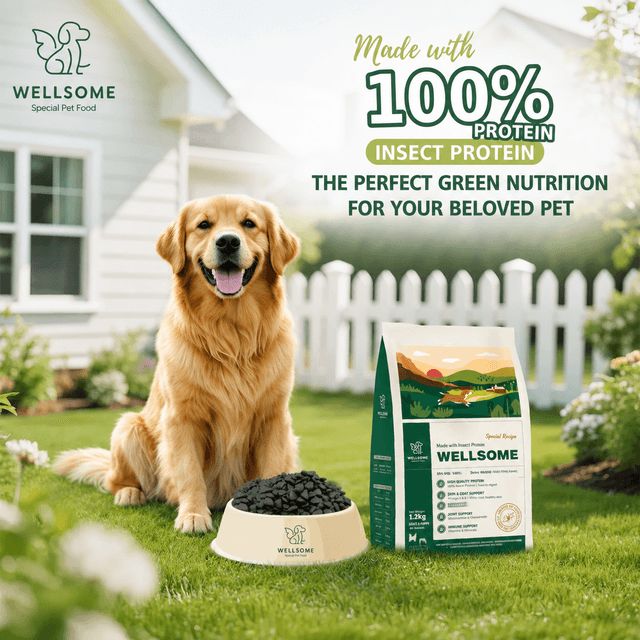
Wellsome – 100% Insect Protein Pet Food Leading the Green Nutrition Trend for Pets

Why Do Cats Get Hairballs? Signs, Causes, and Effective Prevention Tips


_1765521313.png&w=640&q=90)