
What Can and Can’t Cats Eat? A Must-Know List for Cat Owners
What cats can and cannot eat is a common question for new pet owners, and one that experienced owners should periodically review. Many ordinary foods in a human kitchen can harm cats, even in tiny amounts.
This article summarizes safe food groups for cats, dangerous foods to avoid completely, and proper feeding rules to help you care for your feline companion with confidence every day.
Fundamental Rule: Main Diet Must Be Complete and Balanced
Cats are obligate carnivores requiring a balanced diet fortified with Taurine and essential nutrients. Human food, even if safe, cannot replace complete commercial cat food. An easy rule to remember: complete cat food should account for at least 90% of their daily diet, while the remaining portion (maximum ~10%) can be reserved for treats and supplementary human food.
Quick Reference Chart: Safe & Toxic Foods For Cats
Food Group | SAFE FOR CATS (Cooked Plain, Unseasoned) | CANNOT EAT (Highly Toxic / Dangerous) | USE WITH CAUTION (Very Small Quantities) |
Meat & Protein | Chicken, turkey meat (deboned, skinless) | Raw fish, raw meat, raw eggs (bacterial/parasite risk) | Canned tuna for humans (high sodium content) |
Vegetables & Fruits | Steamed pumpkin, soft cooked carrots, cucumbers, blueberries | Onions, garlic, chives, shallots (destroys red blood cells, causes anemia) | Rice, noodles, potatoes (cats digest starch poorly) |
Sweets & Seasonings | None (Cats lack sweet taste receptors) | Chocolate, candies/pastries containing Xylitol | Salty foods, deep-fried or oily foods |
Beverages | Clean fresh water, dedicated cat milk | Alcohol, beer, coffee, tea, energy drinks | Fresh/condensed cow's milk (causes diarrhea due to lactose intolerance) |
Others | Cat grass, catnip | Grapes, raisins, raw bread dough, lilies (highly toxic) | Dog food (lacks required Taurine & protein for cats) |
Safe Foods for Cats (Cat-Friendly)
- Cooked chicken and turkey (unseasoned): Excellent protein sources; skin and bones should be removed.
- Cooked fish in small quantities: Remove all bones carefully, avoid seasonings, and do not use as a replacement for main meals.
- Cooked eggs: Small amounts are acceptable; never feed raw eggs.
- Steamed pumpkin: A small amount supports healthy digestion due to its dietary fiber.
- Soft cooked carrots, cucumbers, blueberries: Serve in very small quantities as occasional treats.
- Cat grass, catnip: Safe for most cats, helping with hairball elimination and enrichment.
Note: Every cat has unique sensitivities. Introduce new foods individually in small amounts and monitor for reactions over 24–48 hours.
Dangerous & Toxic Foods Cats Must Avoid
The following items can cause severe toxicity or injury and must be strictly avoided:
- Onions, garlic, chives, shallots: Cause red blood cell damage leading to severe anemia. Both cooked forms and seasoned powders are hazardous.
- Chocolate, coffee, tea, energy drinks: Contain stimulants harmful to cardiac and nervous systems.
- Grapes and raisins: Can trigger acute kidney failure.
- Alcohol, beer, and alcoholic products: Highly toxic to cats, even in minute quantities.
- Candies/baked goods with Xylitol: Extremely dangerous for liver function and blood sugar levels.
- Raw yeast bread dough: Expands in the stomach and produces alcohol, creating a medical emergency.
- Cooked bones: Splinter easily, posing risks of digestive tract perforation or blockage.
- Raw fish, raw meat, raw eggs: Pose risks of bacterial contamination, parasites, and vitamin deficiencies.
- Salty, fried, or heavily seasoned food: Exerts excessive pressure on kidneys, heart, and digestive system.
- Lilies (all species) and certain house plants: Extremely toxic to cats; even pollen or vase water can cause fatal kidney failure.
Clarifying Common Food Misconceptions
Can cats drink cow's milk?
Many adult cats are lactose intolerant, which can cause severe diarrhea. Instead of cow's milk, use specially formulated cat milk when necessary.
Can cats eat canned tuna intended for humans?
Canned tuna for humans contains high sodium levels and lacks balanced nutrients. It should not serve as a staple diet and must be severely restricted.
Can cats eat rice, noodles, or potatoes?
Cooked starches are non-toxic, but cats do not require high levels of carbohydrates. If offered, keep portions extremely small.
Can cats eat dog food?
Dog food is unsuitable for cats. Feline nutritional requirements differ significantly from dogs, particularly regarding higher protein needs and essential Taurine.
Complete Dry Food Recommendation for Peace of Mind: ALO Cat
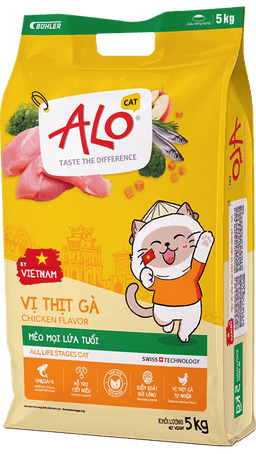
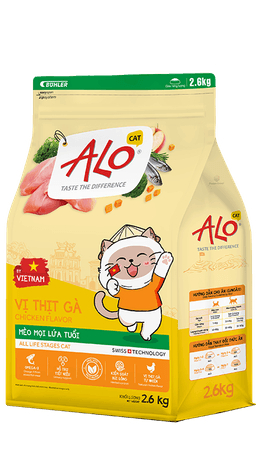
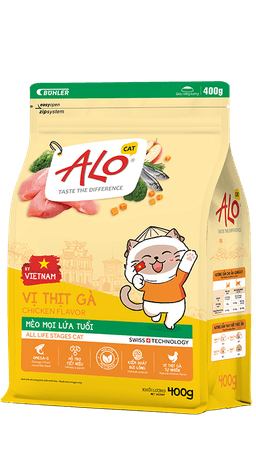
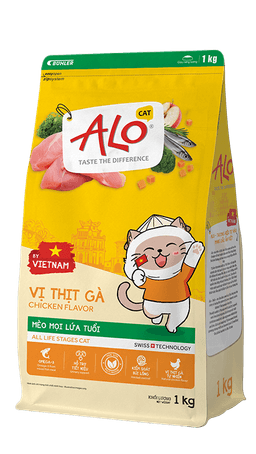
Rather than worrying about cooking recipes for every meal, many owners use a complete dry kibble as a nutritional baseline and supplement with controlled treats. ALO Cat is a solid recommendation: manufactured in Vietnam using Swiss Bühler technology, its recipe is fortified with Taurine and DL-Methionine, alongside Human-Grade fish oil providing Omega 3 & 6, EPA, and DHA for skin and coat care.
The formula emphasizes high digestibility and nutritional balance, making it ideal for establishing an affordable daily feeding routine while using safe human foods only as small rewards.
ALO Cat is suitable for cats aged 3 months and older, including kittens, adult cats, and pregnant or lactating queens. Note that this is a daily complete food, not a veterinary therapeutic diet; if your cat has pre-existing health conditions, consult a veterinarian before changing diets.
When feeding extra treats, remember to deduct kibble accordingly from their daily allowance. For example, for an adult cat weighing 2.5–6 kg needing 55–145g daily according to ALO's feeding guide, extra treats should not exceed 10% of total daily caloric intake.
Safe Rules for Feeding Extra Treats
- Treat portions must never exceed ~10% of total daily intake.
- Cook plain without any seasonings, salt, or oils; chop into bite-sized pieces.
- Introduce one single ingredient at a time, monitoring stool and behavior.
- Wash thoroughly, remove seeds, bones, and skin prior to feeding.
- Never feed seasoned leftovers from human family meals.
What to Do If Your Cat Ingests Toxic Food?
If you suspect your cat has ingested onions, garlic, chocolate, grapes, alcohol, Xylitol, or toxic plants, do not wait for symptoms to appear or induce vomiting at home. Bring the packaging or a sample of the food and take your cat to the nearest veterinary clinic immediately. Key clinical warning signs include vomiting, hypersalivation (drooling), diarrhea, lethargy, tremors, dyspnea (difficulty breathing), or sudden loss of appetite.
Conclusion
In summary, regarding what cats can and cannot eat, remember three simple principles: a complete commercial diet is the main meal, extra treats should only form a minor portion cooked plain, and strictly avoid all toxic items on the forbidden list.



L-Lysine for Cats: Benefits, Uses & How to Supplement It Safely

Today's dinner: Nutritionally Balanced Kibble for Dogs and Cats

Cat Food: The Definitive Guide to Choosing Dry Kibble

Puppy Food: 7 Key Tips for Choosing the Right Kibble for Your Pup

Hairball Control Cat Food and How to Reduce Hairballs Effectively
FINE Pet Food: Safe for Dogs & Cats, Allergy-Friendly

Is Organic Dog Food Good for Dogs? What You Need to Know

Dog Food: What to Consider When Choosing

Is Catsrang Cat Food Good?
Probiotics for Cats: Prebiotics, FOS, and How to Choose Cat Kibble

Omega-3 for Cats: Benefits, How to Choose, and Recommended Products

Wonder Cats Products and Prices: A Dry Cat Food Guide

Taurine For Cats: Role, Requirements & How To Supplement It Correctly

How Much Dry Food Should You Feed Your Cat? Feeding Portions by Weight
How to Choose Cat Kibble: 7 Key Criteria and How to Read Labels

How to Choose Puppy Food: 5 Things to Check Before Buying

Food for Cats with Kidney Disease

Wonder Cats Review: Is Wonder Cats Dry Cat Food Good for Cats?
