Protein for Cats: Benefits, Requirements & How to Choose High-Protein Cat Food
1. What Is Protein and Why Do Cats Need It?
Protein is an essential nutrient for cats. It helps build and maintain muscle, repair body tissues, produce enzymes, and support many vital bodily functions.
Cats are obligate carnivores, which means they have specific nutritional needs and require adequate protein and essential amino acids from a suitable diet.
Protein is important not only for growing kittens but also for adult cats, helping them maintain muscle mass, body condition, and overall health.
2. What Are the Benefits of Protein for Cats?
2.1. Supports Muscle Growth and Maintenance
Protein provides the amino acids needed to build, repair, and maintain muscle tissue. For kittens, it is particularly important during growth and development. For adult cats, adequate protein intake helps maintain muscle mass and a healthy body condition.
2.2. Supports Healthy Skin and Coat
Skin and hair contain proteins such as keratin. When a cat's diet provides enough protein and other essential nutrients, it helps maintain healthy skin and a soft, healthy-looking coat.
However, skin and coat health also depend on other factors, including essential fatty acids, vitamins, minerals, and the cat's overall health.
2.3. Helps Maintain Normal Body Functions
Protein contributes to the production of enzymes, hormones, and important components of the immune system. A balanced diet that meets a cat's protein and essential nutrient requirements helps support normal bodily functions.
2.4. Provides Energy
The body can also use protein as an energy source. However, cats need a balanced diet containing protein, fats, carbohydrates, and other essential nutrients rather than a diet focused solely on high protein levels.
3. Animal Protein vs. Plant Protein: Which Is Better for Cats?
Protein can come from different sources, mainly animal-based and plant-based ingredients.
Criteria | Animal Protein | Plant Protein |
Sources | Meat, fish, poultry, and other animal-derived ingredients | Soybeans, grains, and other plant-based ingredients |
Amino acids | Can provide essential amino acids cats need | Amino acid profiles vary by source |
Digestibility and utilization | Depend on ingredient quality and digestibility | Depend on ingredients, processing, and the overall formula |
Animal protein plays an important role in feline nutrition because it can supply essential amino acids that cats need in their diet. However, the quality of cat food cannot be judged by protein source or a single percentage alone. Digestibility, amino acid balance, and the nutritional completeness of the overall formula are also important.
When choosing high-protein cat food, pet owners should consider the ingredients, nutritional composition, and suitability for their cat's age and physical condition.
4. How Much Protein Does a Cat Need Per Day?
A cat's protein requirements depend on age, life stage, health status, and activity level.
- Kittens: Need a diet that supports growth and development.
- Adult cats: Need adequate protein to maintain muscle mass and normal bodily functions.
- Senior cats: Need nutrition suited to their physical condition and health status. Protein should not be reduced automatically just because a cat is older.
When checking cat food packaging, you may see a value called crude protein. This indicates the protein content measured through a specific analytical method, but it does not fully reflect protein quality or digestibility.
Choose a complete and balanced cat food appropriate for your pet, and follow the feeding guidelines on the packaging. If your cat has a medical condition or requires a special diet, consult a veterinarian.
5. Wonder Cats: High-Protein Cat Food with Animal Protein
If you are looking for cat food that provides protein alongside essential nutrients, Wonder Cats is an option to consider for cats aged four months and older.
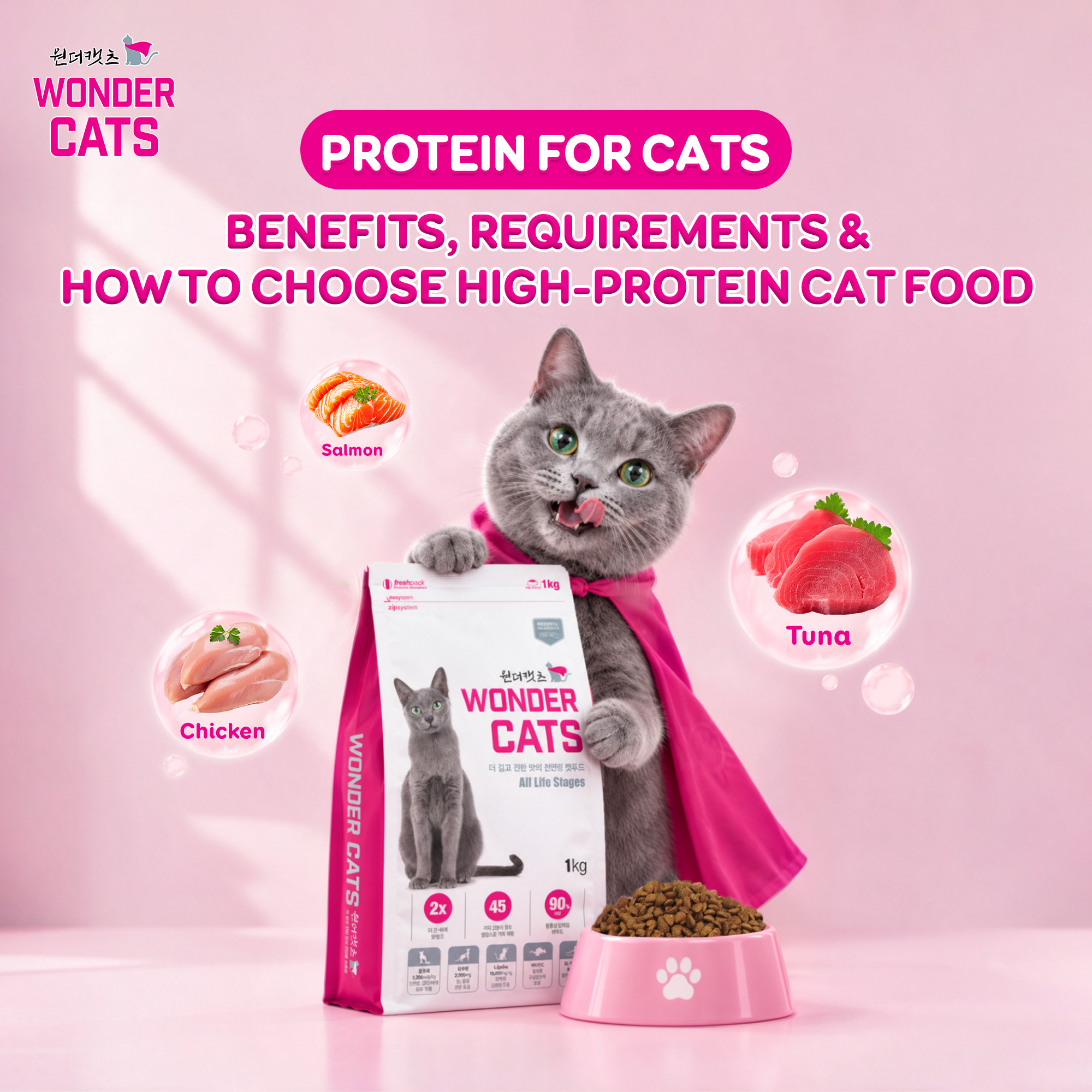
According to the product information, Wonder Cats offers the following features:
- Animal Protein: Up to 90% animal-derived protein, according to the product's stated information.
- 45 Essential Nutrients: Helps provide a range of nutrients for everyday feeding.
- Taurine and L-Lysine: Important nutrients for cats that support essential physiological functions.
- Omega-3 and Omega-6: Help maintain healthy skin and coat.
- FOS and Fiber: Help support gut health and digestion.
- Yucca: Included in the formula to help manage stool odor.
In addition to its nutritional composition, Wonder Cats features kibble designed to provide an appealing eating experience for cats. It is available in 1 kg, 5 kg, and 20 kg bags, allowing pet owners to choose a size that suits their needs.
For better everyday care, combine suitable cat food with appropriate portion sizes, clean drinking water, and regular monitoring of your cat's body condition.
6. Frequently Asked Questions About Protein for Cats
Is high-protein cat food good for cats?
High-protein cat food can be suitable when it provides adequate essential amino acids and forms part of a complete and balanced diet. Choosing cat food based only on the highest protein percentage is not recommended.
Is animal protein important for cats?
Yes. Cats are obligate carnivores and need essential amino acids in their diet. Animal protein is an important source, but the overall quality and nutritional balance of the food should also be considered.
How can I tell if cat food provides enough protein?
Check the crude protein content on the label, feeding guidelines, and information about whether the food is complete and balanced. Consider your cat's age, body condition, and nutritional needs rather than comparing a single number.
Conclusion
Protein is an essential nutrient that helps cats maintain muscle mass, supports vital bodily functions, and contributes to healthy growth and development. When choosing cat food, look for suitable protein sources, balanced nutrition, and a formula that meets your cat's needs.
With its animal protein content and 45 essential nutrients, Wonder Cats aims to provide a tasty and nutritious meal for cats aged four months and older.


L-Lysine for Cats: Benefits, Uses & How to Supplement It Safely

Today's dinner: Nutritionally Balanced Kibble for Dogs and Cats

Cat Food: The Definitive Guide to Choosing Dry Kibble

Puppy Food: 7 Key Tips for Choosing the Right Kibble for Your Pup

Hairball Control Cat Food and How to Reduce Hairballs Effectively
FINE Pet Food: Safe for Dogs & Cats, Allergy-Friendly
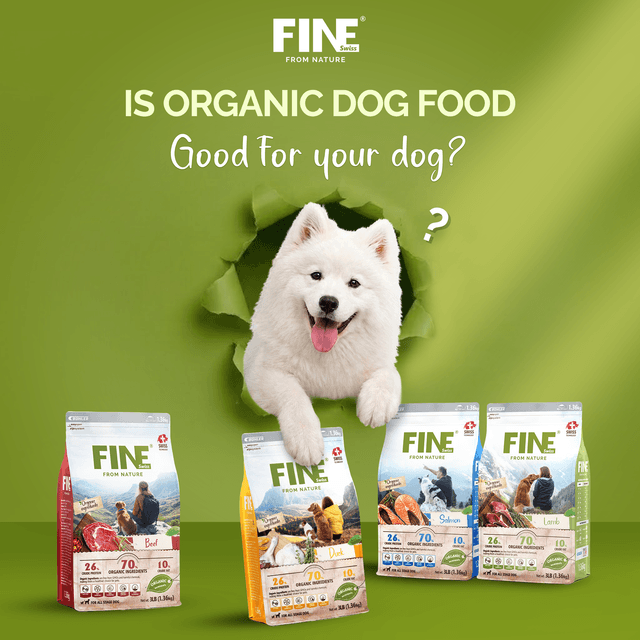
Is Organic Dog Food Good for Dogs? What You Need to Know

Dog Food: What to Consider When Choosing
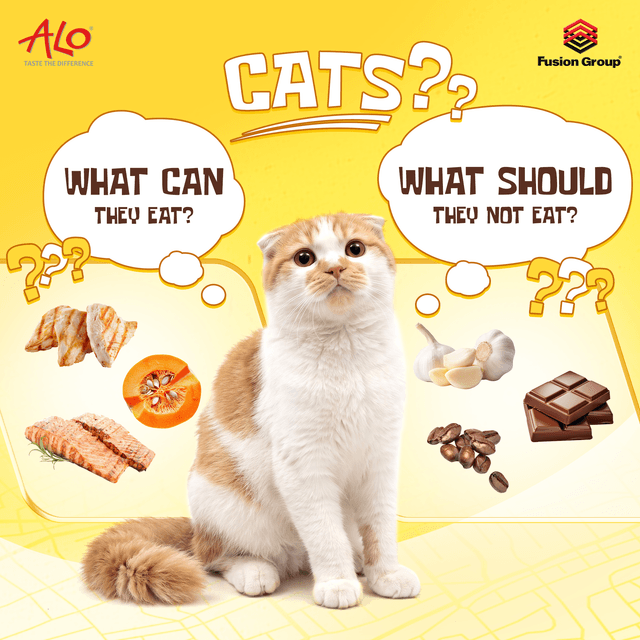
What Can and Can’t Cats Eat? A Must-Know List for Cat Owners
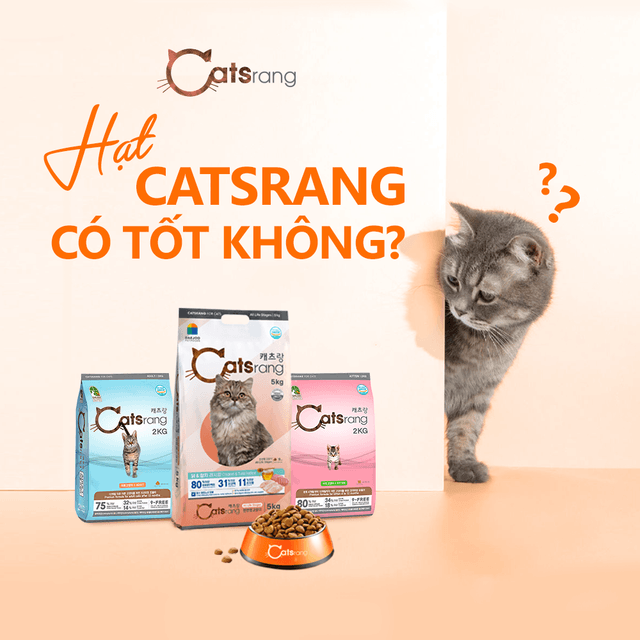
Is Catsrang Cat Food Good?
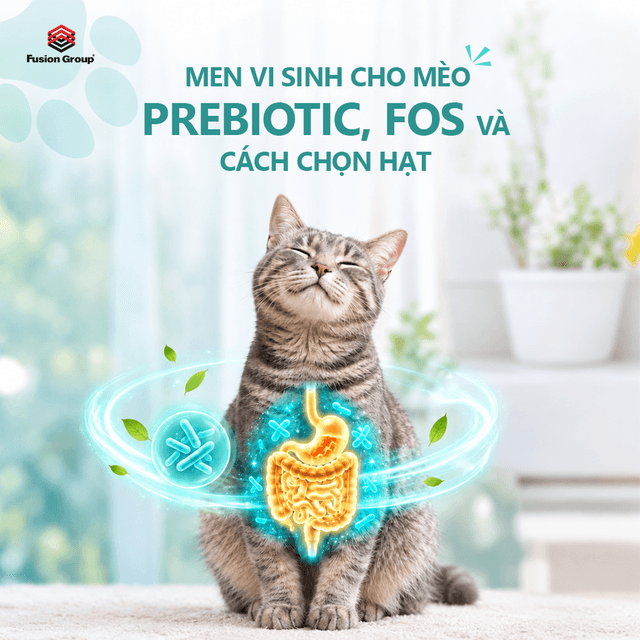
Probiotics for Cats: Prebiotics, FOS, and How to Choose Cat Kibble

Omega-3 for Cats: Benefits, How to Choose, and Recommended Products
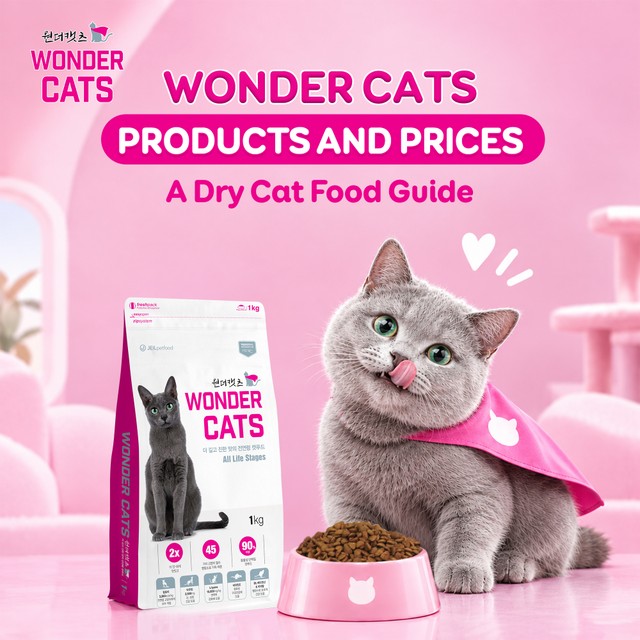
Wonder Cats Products and Prices: A Dry Cat Food Guide

Taurine For Cats: Role, Requirements & How To Supplement It Correctly

How Much Dry Food Should You Feed Your Cat? Feeding Portions by Weight
How to Choose Cat Kibble: 7 Key Criteria and How to Read Labels

How to Choose Puppy Food: 5 Things to Check Before Buying
Food for Cats with Kidney Disease