
Top 4 Common Dog Diseases in Winter and How to Care for Your Dog
Winter is often a favorite season for many dogs because the cool weather allows their thick fur to become a natural “protective layer”, helping them enjoy the colder days comfortably.
However, low temperatures and dry weather conditions can also increase the risk of various health problems for our furry friends. Below are the top 4 common dog diseases in winter that every pet owner should be aware of.
Let’s explore the causes, symptoms, treatments, and prevention methods to help your dog stay healthy throughout the cold season!
1. Pneumonia in Dogs
Pneumonia is one of the common illnesses that dogs can suffer from, especially during cold winter months.
This condition occurs when the lungs become infected by bacteria, viruses, or fungi, reducing the dog’s ability to breathe properly. Without timely treatment, pneumonia can lead to serious complications or even become life-threatening.
Symptoms of Pneumonia in Dogs
- Coughing: A typical sign of pneumonia, often accompanied by mucus or wheezing sounds.
- Difficulty breathing: Dogs may breathe faster and more shallowly than usual.
- Fever: Increased body temperature, red mucous membranes, and dark red eyes.
- Runny nose: A sign of nasal inflammation.
- Loss of appetite: Dogs may become tired, weak, and less interested in food.
- Lethargy or unconsciousness: In severe cases, dogs may gradually lose awareness.

What to Do When Your Dog Shows These Symptoms
- Keep your dog warm and avoid cold drafts, rain, or wet environments.
- Limit physical activity and allow your dog to rest in a quiet, dry place.
- Do not give human medicine or antibiotics without veterinary guidance.
- Ensure your dog drinks enough water and provide soft, easy-to-digest food if they can still eat.
- Take your dog to a veterinarian as soon as possible for proper diagnosis and treatment.
How to Prevent Pneumonia in Dogs
- Keep your dog in a warm and dry environment. Avoid letting them sleep on cold floors.
- Consider using warm clothing when taking your dog outside during cold weather.
- Avoid contact with dogs showing signs of respiratory illness.
2. Ear Infection in Dogs
Causes
Cold and humid weather can create favorable conditions for bacteria and fungi to grow inside a dog’s ears.
This can cause discomfort, itching, pain, and even ear hematoma due to excessive scratching.
Symptoms of Ear Infection
- Severe itching: Dogs frequently scratch their ears, shake their heads, or rub their ears against surfaces.
- Unpleasant odor: The ears may have a strong smell, discharge, or pus.
- Physical changes: Redness, swelling, warmth, dark brown ear wax, thickened ear skin, or hair loss around the ears.
- Complications: Ear hematoma (a swollen, fluid-filled ear flap) caused by excessive scratching.

Treatment and Care
- Visit a veterinarian to identify the exact type of bacteria or fungus and receive suitable treatment.
- Clean your dog’s ears using specialized ear-cleaning solutions.
- Use ear drops or medication prescribed by the veterinarian.
Prevention Tips
- Clean your dog’s ears after bathing or outdoor activities.
- Avoid leaving your dog in damp environments where bacteria can grow.
- Avoid overusing ear-cleaning products.
3. Skin Problems in Dogs (Fungal Infection, Ticks, etc.)
Causes
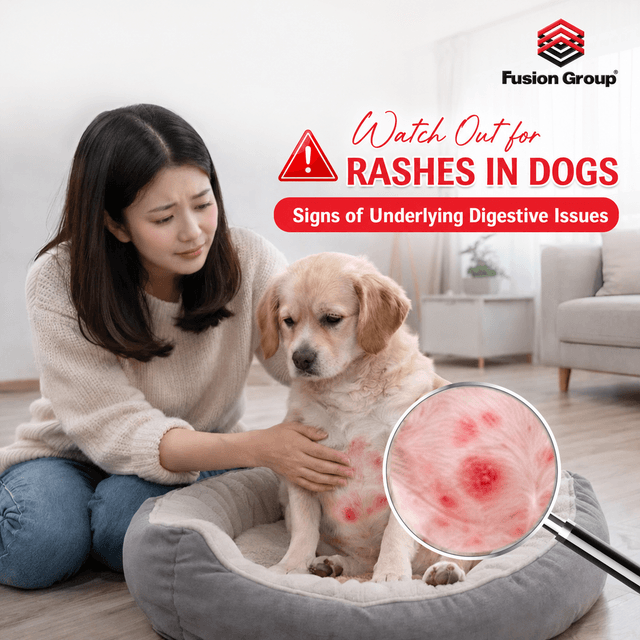
Common fungal infections such as Microsporum canis and Trichophyton mentagrophytes are often found in puppies, older dogs, or dogs with weak immune systems.
Cold and humid conditions can also increase the risk of skin problems caused by fungi and parasites such as ticks.
Symptoms
- Hair loss in patches, especially circular areas resembling coin-shaped spots.
- Skin redness, scaling, swelling, inflammation, or pus.
- Frequent scratching, rolling, or discomfort due to itching.

Treatment and Care
- Use specialized antifungal shampoos, topical treatments, or oral medication as recommended by a veterinarian.
- Regularly clean your dog’s bedding and personal items. Dry them under sunlight or disinfect periodically.
- Prevent your dog from licking or scratching infected areas.
- Monitor the condition and seek veterinary advice if symptoms spread or do not improve.
Prevention
- Keep your dog clean and dry. Brush their coat regularly.
- Avoid contact with unfamiliar dogs showing signs of skin disease.
- Provide proper nutrition to support a stronger immune system.
4. Common Cold in Dogs
Causes
Dog colds often occur during cold seasons or sudden weather changes.
Typical symptoms include sneezing, runny nose, coughing, tiredness, loss of appetite, shaking, and fever.
Symptoms
- Frequent sneezing, clear runny nose (which may turn yellow/green in more serious cases).
- Dry cough or cough with mucus.
- Low energy, reduced activity, shaking, fever, red eyes, or watery eyes.
- Loss of appetite, vomiting, or diarrhea.

Treatment and Care
- Keep your dog warm, dry their body properly, and let them rest in a draft-free area.
- Provide warm water and soft, easy-to-digest food.
- Limit bathing and avoid outdoor activities during cold or windy weather.
- Monitor symptoms such as coughing, runny nose, and tiredness for 24–48 hours.
- If symptoms worsen or do not improve, visit a veterinarian promptly.
Prevention
- Keep your dog indoors during extremely cold weather.
- Use warm clothing when taking your dog outside.
How to Tell the Difference Between a Dog Cold and Pneumonia
A common cold usually causes:
- Sneezing
- Clear runny nose
- Mild coughing
- Reduced appetite
- Recovery after a few days
Pneumonia is more serious and may include:
- Persistent coughing with mucus or discharge
- Difficulty breathing (rapid breathing, heavy panting, open-mouth breathing)
- High fever (usually above 39.5°C)
- Severe tiredness and weakness
- Loss of appetite
- Blue or purple mucous membranes due to oxygen deficiency
Conclusion
Taking care of your dog during winter is essential to protect their health. By monitoring your dog’s condition regularly and following proper prevention methods, you can help reduce the risk of common winter illnesses. Make sure your furry friend receives the right care so they can enjoy a happy, healthy, and comfortable winter season!

What Vegetables Can Cats Eat? 7 Safe Vegetables to Add Fiber to Your Cat’s Diet




Affordable Cat Litter: Safe, Effective Odor Control, and Budget-Friendly Options

Best Cat Food for Sensitive Stomach & Food Allergies: Top 5 Healthy Choices for Your Cat

Dog Obesity: Causes, Symptoms & Effective Weight Loss Tips

Is Catsrang Cat Food Good? A Complete Review of This Popular Dry Cat Food

Kidney Failure in Dogs: Symptoms, Causes, and the Best Nutritional Support

ALO – A trusted Vietnamese pet food brand

Wellsome – 100% Insect Protein Pet Food Leading the Green Nutrition Trend for Pets

Why Do Cats Get Hairballs? Signs, Causes, and Effective Prevention Tips

_1765521313.png&w=640&q=90)
Decoding the Ingredient List of Cat Kibble with Wonder Cats
_1762999038.jpg&w=640&q=90)