
Taurine Deficiency in Cats: Causes, Symptoms, and Prevention
Taurine Deficiency in Cats: Causes, Symptoms, and Prevention
Taurine deficiency in cats is a nutritional issue that pet parents should never overlook. Taurine is an essential amino acid that plays a vital role in a cat’s vision, cardiovascular system, digestion, and reproductive health. Because a cat's body cannot synthesize enough taurine on its own, providing this nutrient through their daily diet is essential.
So, what are the signs of taurine deficiency in cats, what causes this condition, and how can you build a diet to reduce the risk of deficiency? Let’s dive into the details below.
What Is Taurine Deficiency in Cats?
Taurine is an amino acid that plays a crucial role in many of a cat's physiological functions. It is an essential nutrient because cats cannot synthesize enough taurine internally to meet their bodily needs. Therefore, unlike some other animals, cats need to receive taurine regularly through their food. If the daily ration fails to meet these needs over a long period, cats can develop taurine deficiency.
It is worth noting that taurine deficiency often progresses silently. In the early stages, a cat may continue to eat and behave relatively normally, even as internal damage begins to take shape.
What Is the Role of Taurine in Cats?
Taurine is involved in several critical functions:
- For vision: Taurine is necessary to maintain retinal health. Prolonged taurine deficiency can cause retinal damage and impair vision.
- For the heart: Taurine plays a key role in normal heart muscle function. Prolonged deficiency can be associated with dilated cardiomyopathy (DCM) in cats.
- For digestion: Taurine participates in the formation and conjugation of bile acids, supporting the digestion and absorption of fats.
- For reproduction and growth: Taurine also impacts reproductive health and the normal development of kittens.

Therefore, when choosing cat food, pet owners should not only care about keeping their cats full, but also pay close attention to the quality and overall balance of the entire diet.
Symptoms of Taurine Deficiency in Cats
Signs of taurine deficiency usually do not appear immediately but rather develop gradually over time. Symptoms to watch for include:
1. Vision Impairment
One of the most notable effects of long-term taurine deficiency is retinal damage. You may notice your cat:
- Struggling to see in low light.
- Bumping into furniture.
- Moving without clear orientation.
- Exhibiting unusual behavior when searching for food or toys.
If your cat shows signs of vision changes, you should take them for a check-up rather than self-diagnosing taurine deficiency.
2. Lethargy and Reduced Activity
Cats may become less active, tire quickly, or lose interest in their daily activities. However, this is a non-specific sign and can be linked to many different health conditions. Therefore, it should be evaluated alongside their dietary history and other symptoms.
3. Cardiovascular Symptoms
Prolonged taurine deficiency can lead to Dilated Cardiomyopathy (DCM) in cats. Symptoms may include:
- Rapid breathing.
- Difficulty breathing.
- Lethargy.
- Weakness.
- Reduced activity levels.
- Loss of appetite.
- Fainting in severe cases.
If your cat exhibits sudden weakness or difficulty breathing, bring them to a veterinary facility as soon as possible.
4. Impact on Reproduction and Development
In pregnant or breeding cats, taurine deficiency can negatively impact fertility and kitten development. For kittens, selecting food specifically designed for their growth stage is especially important because their growing bodies require higher levels of nutrients.
Causes of Taurine Deficiency in Cats
- Inadequate or Unbalanced Diet: This is a major cause. Cats fed an incomplete or unbalanced diet may not receive sufficient taurine alongside other essential nutrients. Feeding cats exclusively raw meat or a single food source for extended periods does not constitute a complete diet.
- Feeding Food Not Formulated for Cats: Feline nutritional requirements differ greatly from canine needs. Therefore, dog food should never be used as a primary, long-term diet for cats.
- Unbalanced Homemade Diets: Home-cooked food can be beneficial if prepared correctly. However, if the meals focus solely on meat without balancing proteins, fats, vitamins, minerals, and essential amino acids, cats risk nutritional deficiencies.
- Prolonged Picky Eating: Cats that refuse to eat anything outside of a few specific foods over long periods can develop dietary imbalances. For picky eaters, owners must be extra vigilant regarding their main diet and overall nutrition.

Which Cats Are at Risk of Taurine Deficiency?
Certain groups of cats require extra dietary attention:
- Cats fed an unbalanced homemade diet.
- Cats frequently fed dog food.
- Cats on an incomplete commercial diet.
- Cats suffering from prolonged picky eating.
- Kittens in active growth stages.
- Pregnant or lactating queens.
Particularly for kittens, pet owners should prioritize food specially formulated for their life stage rather than attempting to craft homemade meals from just a few ingredients.
Diagnosing Taurine Deficiency in Cats
If taurine deficiency is suspected, a veterinarian will evaluate the cat based on dietary history, health status, and clinical symptoms. Depending on the case, the vet may order:
- Body condition and weight checks.
- Evaluation of current dietary intake.
- Blood tests to measure taurine concentration when needed.
- Eye examinations if vision impairment is detected.
- Cardiac evaluations if abnormal signs appear.
Avoid self-diagnosing taurine deficiency based on a single symptom, as similar manifestations occur in various other diseases.
Treatment for Taurine Deficiency in Cats
Treatment depends on the severity of the deficiency and the cat's overall health condition. A veterinarian may recommend:
- Dietary adjustments.
- Switching to a complete and balanced feline-specific diet.
- Direct taurine supplementation when necessary.
- Treatment of existing complications if damage has already occurred.
Pet owners should not administer high doses of taurine or combine multiple supplements without professional guidance. If a cat already shows eye or heart symptoms, treatment must be conducted under strict veterinary supervision.
How to Prevent Taurine Deficiency in Cats
The simplest and most effective way to prevent taurine deficiency is to establish a diet tailored to feline nutritional requirements. Rather than focusing solely on "adding taurine supplements," prioritize complete and balanced commercial cat foods that clearly state their ingredients and nutritional profile.
Here are several recommended products to consider:
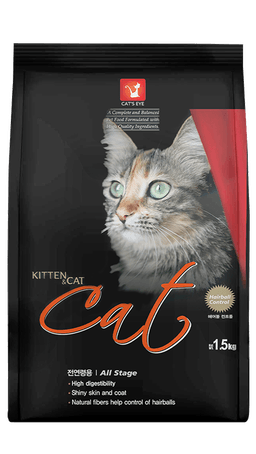
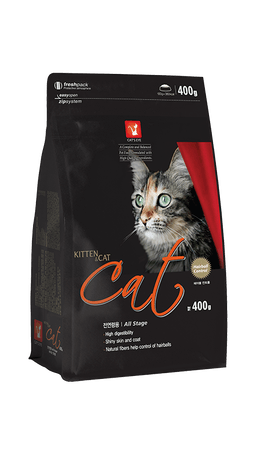
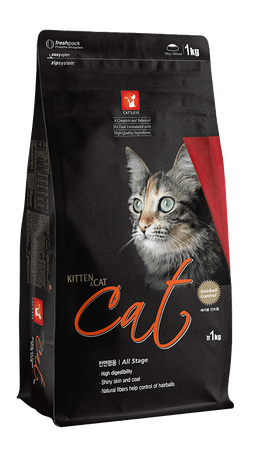
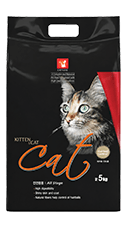
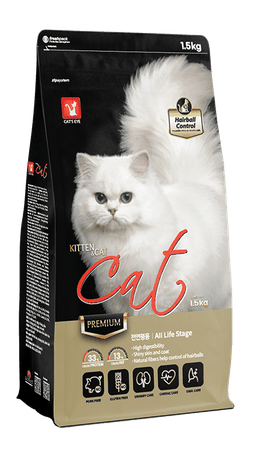
1. Cat's Eye – Enriched with Taurine for Vision and Cardiac Support
Cat's Eye features a high taurine content of 2,500 mg/kg, combined with Vitamin A—two key nutrients for feline eye health. Taurine also plays a vital role in maintaining heart function, making Cat's Eye a standout choice for preventing taurine deficiency.

Cat's Eye Premium kibble
Additionally, the formula contains crude protein  , Omega fatty acids from flaxseed and fish meal, and Protease to assist digestion. Natural fiber and beet pulp support hairball control. Thus, Cat's Eye serves as an excellent daily food that delivers essential taurine alongside a well-balanced nutritional profile.
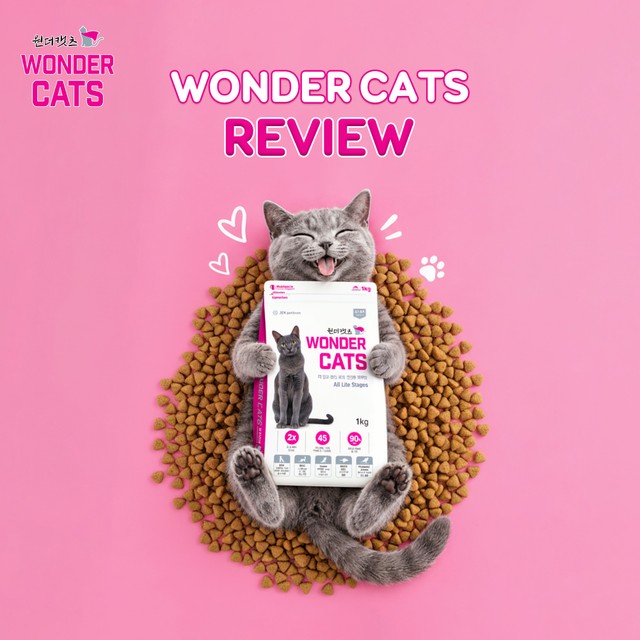
2. Wonder Cats – Taurine Paired with Comprehensive Nutrition
Wonder Cats provides 2,500 mg/kg of Taurine along with 45 essential nutrients adhering to AAFCO standards. Taurine supports healthy vision and heart function, while the overall formula is fortified with multiple nutrient groups for total wellness.
The formula includes 15,000 mg/kg of L-Lysine for immune support, FOS for gut microbiome health, natural fiber for hairball control, and Omega-3 & 6 for skin and coat care. Furthermore, DL-Methionine and balanced minerals help maintain proper urinary pH to protect kidney and urinary health.
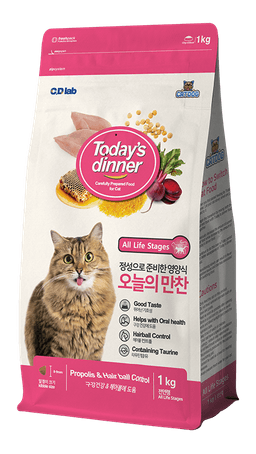
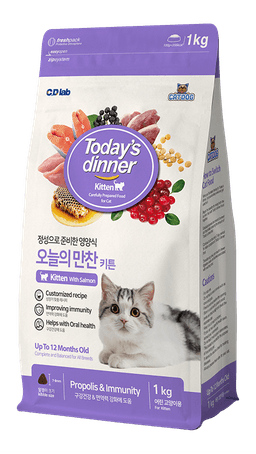
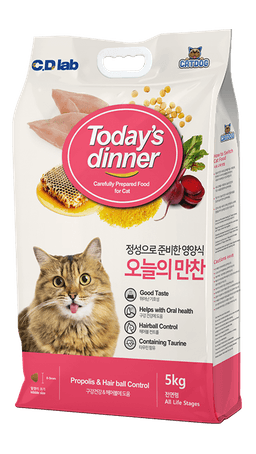
3. Today's Dinner – Taurine with Vision-Supporting Nutrients
Today's Dinner includes taurine in its formula to promote a healthy heart and sharp vision. It is a strong contender when selecting food to prevent taurine deficiency.
The formula also blends Lutein, Omega-3, Spirulina, Maqui Berry, and Cranberry specifically targeting eye health. Additionally, plant fibers aid hairball passage, Yucca extract reduces stool odor, while FOS, Lysine, and multivitamins contribute to overall wellness. It also features a 9Free formula, free from artificial sugars, synthetic colors, anti-mold agents, pesticides, antibiotics, growth hormones, synthetic antioxidants, BHA, and BHT.
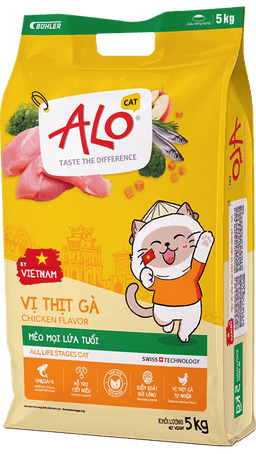
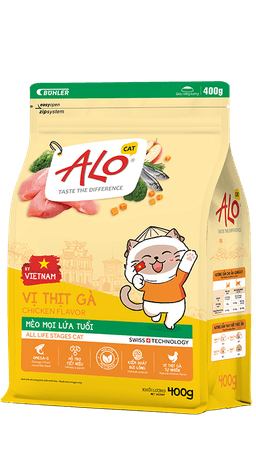
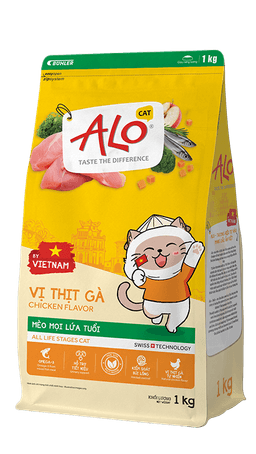
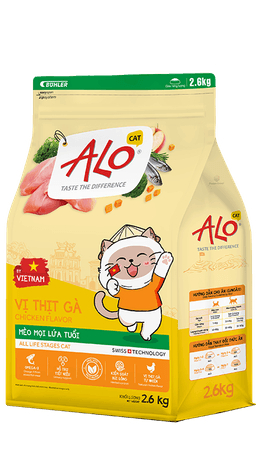
4. ALO – Balanced Nutrition, Digestive & Urinary Health
ALO Cat stands out for its clear sourcing of ingredients and advanced manufacturing standards. Produced in Vietnam using Swiss Bühler technology, it utilizes Mekong Delta rice and quality poultry protein.
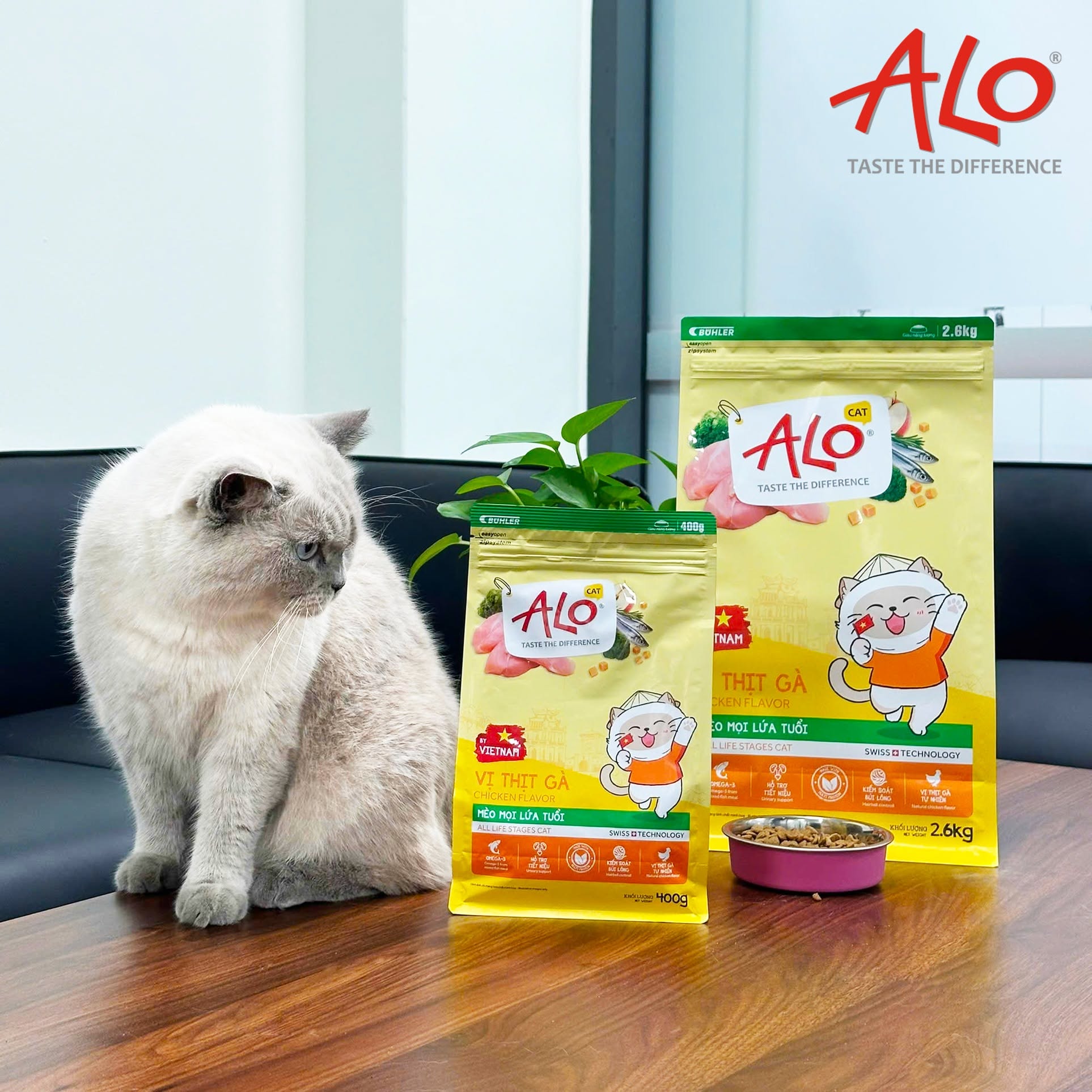
ALO Cat kibble
A key highlight is the Human-Grade Fish Oil, providing Omega-3 & 6, EPA, and DHA for skin and coat nourishment. ALO includes both Taurine and DL-Methionine, making it ideal for daily feeding to support urinary health, high digestibility, and complete nutrition.
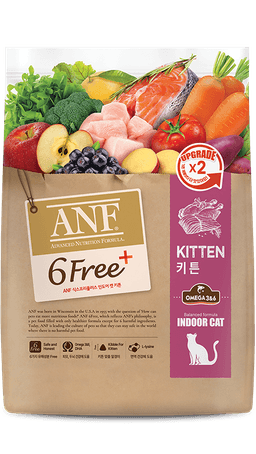
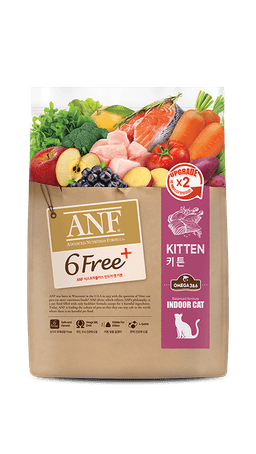
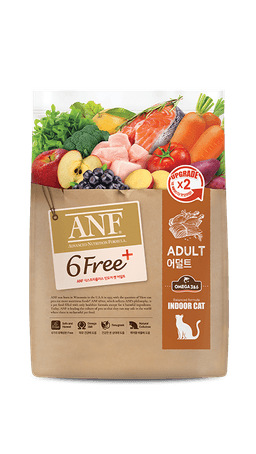
5. ANF 6Free+ – Multi-Source Animal Protein Supplemented with Taurine
ANF 6Free+ uses diverse animal protein sources, including chicken meal, salmon, sardine, and hydrolyzed chicken.
Critically, the formula is enriched with Taurine and L-Lysine. Taurine helps maintain clear vision and healthy cardiac function, directly addressing taurine deficiency prevention. For digestion, it incorporates Protease, cellulose, and natural fibers. Purified fish oil and flaxseed supply essential fatty acids, while berries (Maqui, Acai, Aronia) and natural antioxidants support systemic health.
When to See a Veterinarian
Seek immediate veterinary care if your cat exhibits any of the following warning signs:
- Prolonged loss of appetite or refusal to eat.
- Severe lethargy or marked drop in activity.
- Noticeable vision changes or disorientation.
- Rapid breathing, wheezing, or respiratory distress.
- Sudden fainting, extreme weakness, or collapse.
- Unexplained weight loss or physical deterioration.
If you suspect taurine deficiency or notice eye and heart symptoms, do not attempt to self-diagnose or rely solely on dietary supplements without a proper veterinary check-up.
To prevent taurine deficiency, always prioritize feline-specific, complete, and balanced commercial diets over unbalanced homemade meals or dietary shortcuts. Monitor your cat’s appetite, vision, breathing, and general energy daily, and consult a vet at the first sign of abnormality to ensure your feline companion stays healthy and thriving!




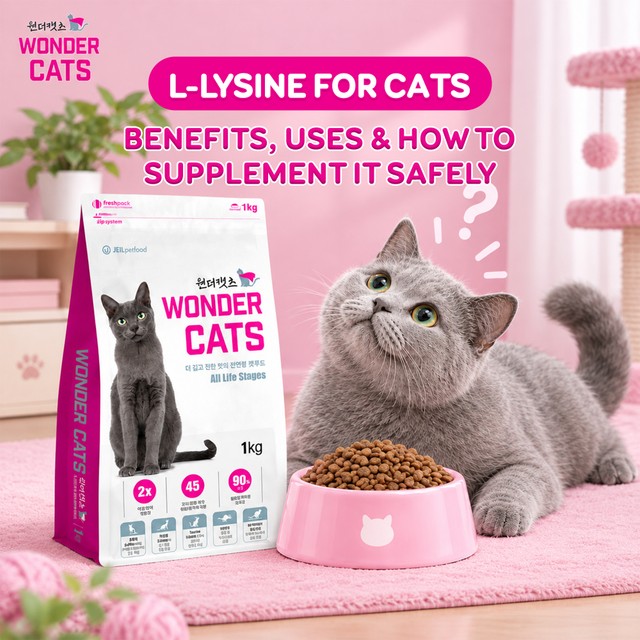
L-Lysine for Cats: Benefits, Uses & How to Supplement It Safely

Today's dinner: Nutritionally Balanced Kibble for Dogs and Cats

Cat Food: The Definitive Guide to Choosing Dry Kibble

Puppy Food: 7 Key Tips for Choosing the Right Kibble for Your Pup

Hairball Control Cat Food and How to Reduce Hairballs Effectively
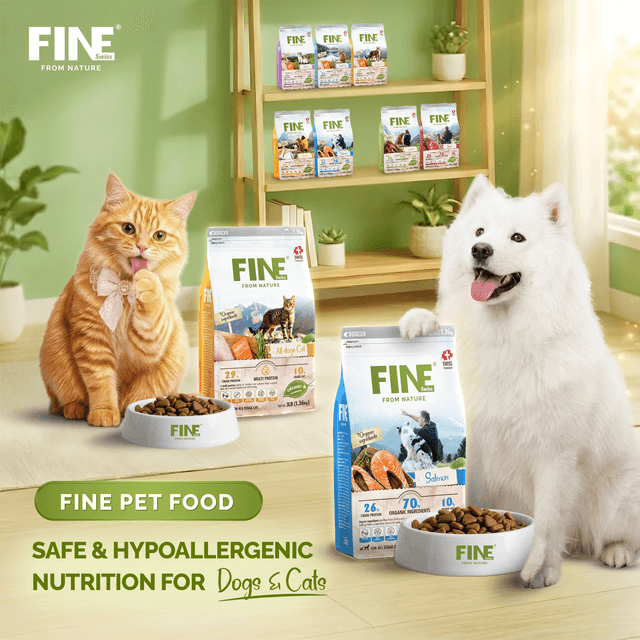
FINE Pet Food: Safe for Dogs & Cats, Allergy-Friendly

Is Organic Dog Food Good for Dogs? What You Need to Know

Dog Food: What to Consider When Choosing
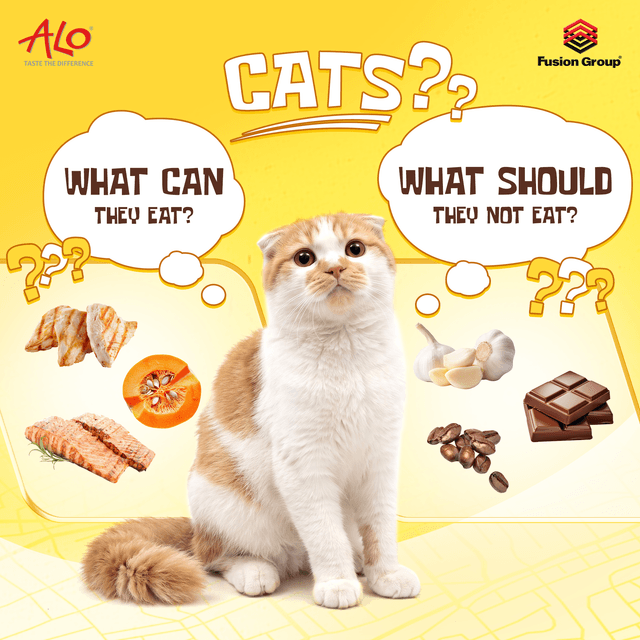
What Can and Can’t Cats Eat? A Must-Know List for Cat Owners
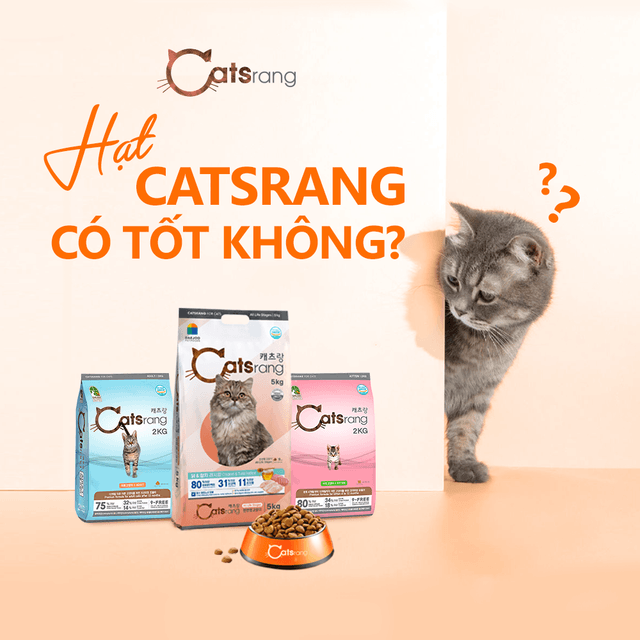
Is Catsrang Cat Food Good?
Probiotics for Cats: Prebiotics, FOS, and How to Choose Cat Kibble

Omega-3 for Cats: Benefits, How to Choose, and Recommended Products
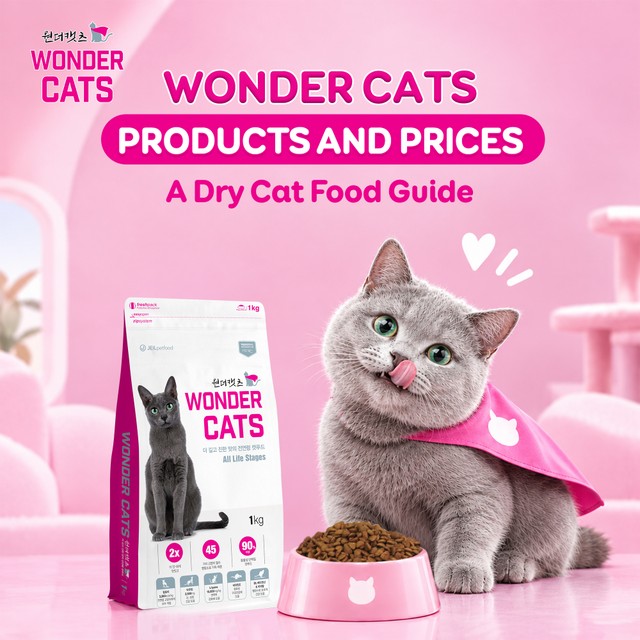
Wonder Cats Products and Prices: A Dry Cat Food Guide

Taurine For Cats: Role, Requirements & How To Supplement It Correctly

How Much Dry Food Should You Feed Your Cat? Feeding Portions by Weight
How to Choose Cat Kibble: 7 Key Criteria and How to Read Labels

How to Choose Puppy Food: 5 Things to Check Before Buying
Food for Cats with Kidney Disease
Wonder Cats Review: Is Wonder Cats Dry Cat Food Good for Cats?
