
What to feed a kitten: a stage-by-stage guide from newborn to 12 months
What a kitten eats depends heavily on age. There are three main stages: newborn (milk only), weaning (from about 4 weeks, moving gradually from milk to soft food) and eating kitten food (from about 8 weeks to 12 months). This guide gives a quick-answer table, the signs and steps of weaning, and how to choose kitten kibble for the right age.
Quick answer: what to feed a kitten and how often
Stage | Age | What the kitten eats | Meals / feeding schedule | Notes |
1. Newborn | First week | Mother's milk. Orphaned kittens need a milk replacer made for kittens, never cow's milk | Orphaned kittens: every 2–4 hours | No solid food or kibble yet. |
1. Newborn | After the first week until weaning | Mother's milk or a milk replacer made for kittens | Orphaned kittens: every 4–6 hours | Weigh the kitten daily for the first 4 weeks. |
2. Weaning | About 4–8 weeks | A thin gruel made from wet food (pâté) or soaked, mashed kitten kibble mixed with milk replacer; the kitten still nurses or drinks milk replacer, a little less each day | Gradually less milk, more soft food | Weaning is gradual and is usually complete at about 8–10 weeks. |
3. Eating kitten food | About 8 weeks to 12 months | Kitten food: start with wet food or soaked kibble, then move gradually to dry kibble when the kitten chews well and according to the age on the label | 2–4 months: 4 meals, then 3–4 meals from the third month. 4–12 months: 3 meals, gradually down to 2–3 meals | Many kitten kibbles are only for kittens aged 3 months and up, so read the label carefully. |
Important: not every kitten can eat dry kibble from 2 months. At the start, kitten kibble needs soaking, and every product has its own minimum age on the label. After 12 months, you gradually switch to adult cat food, 2–3 meals a day.
Timeline of kitten development and feeding from newborn to 12 months
Age | Kitten development | Feeding |
First week | Completely dependent on the mother or caregiver; weigh daily. | Mother's milk. Orphaned kittens: milk replacer made for kittens, every 2–4 hours. |
After the first week to about 3 weeks | Still dependent on the mother or caregiver; keep weighing daily. | Mother's milk. Orphaned kittens: every 4–6 hours. |
About 3.5–4.5 weeks | Baby teeth start to come in, standing is steadier, and the kitten is curious about the mother's food: signs of readiness for weaning. | Still mostly milk; starts getting used to a thin gruel. |
About 4–8 weeks | Weaning begins gradually and the kitten learns to lap food from a dish. | Thin gruel, then wet food or soaked kitten kibble; less milk, more soft food. |
About 8–10 weeks | Weaning is complete; the kitten starts eating kitten food. | Wet food, soaked kitten kibble. |
10 weeks to 3 months | Mainly soft food, getting used to kitten kibble. | Wet food, soaked kibble; dry kibble gradually when the kitten chews well and the label allows. |
3–12 months | Grows fast and needs food rich in protein and energy; weigh weekly. | Kitten kibble, optionally with wet food. |
Over 12 months | Adult. | Gradually switch to adult cat food over 7–10 days. |
What to feed kittens aged 0–4 weeks?
At this stage the kitten only needs mother's milk. If the kitten is an orphan or the mother does not have enough milk, use a milk replacer made for kittens. Do not use cow's milk because it easily causes diarrhea.
- Feeding schedule for orphaned kittens: every 2–4 hours in the first week; after the first week until weaning, every 4–6 hours (according to VCA's guidance on caring for orphaned kittens).
- Weight monitoring: weigh the kitten daily for the first 4 weeks; from week 5, weigh weekly.
Newborn kittens are very fragile, so contact a vet for guidance specific to each kitten.
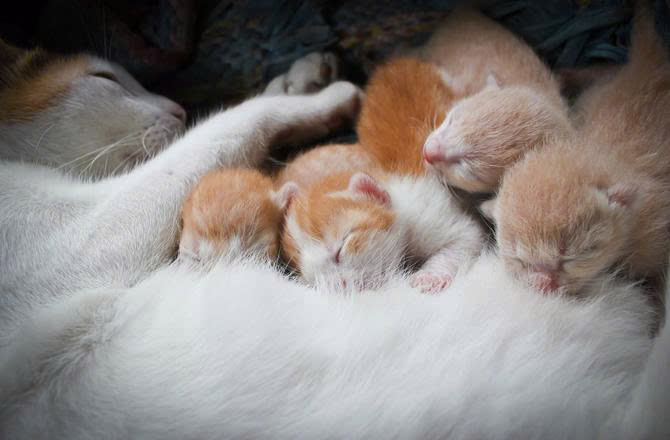
Newborn kitten nursing mother's milk
Kittens 4–8 weeks: signs of readiness and how to wean onto solid food
Weaning is a gradual transition over several weeks: soft food increases step by step while milk decreases, with no sudden switch.
Signs a kitten is ready to start solid food
- Around 3.5–4.5 weeks old. Do not start before this age or if the kitten cannot stand steadily.
- Stands steadily and walks with coordination.
- Baby teeth are coming in; the kitten bites the bottle nipple or the mother while nursing.
- Curious about the mother's food bowl and tries licking food.
- Can lap milk from a shallow dish.
How to move from milk to solid food
- Make a thin gruel: soak kitten kibble in water or milk replacer and mash it, or mix wet food with milk replacer.
- Serve on a shallow dish: place it near the kitten and let the kitten lick it by itself; you can let it lick from your finger instead of forcing it to eat.
- Reduce milk gradually, thicken food gradually: keep nursing or giving milk replacer alongside; over many days make the food thicker and mix in less milk, without sudden changes.
- Move to soft food: keep going until the kitten eats soft food without milk. Weaning is usually complete at about 8–10 weeks of age.
- Monitor health: always provide clean water and watch stool and energy; weigh daily for the first 4 weeks, then weekly from week 5.
If the kitten refuses food, vomits, has diarrhea or is not gaining weight during the change of food, stop changing the diet and ask a vet.
Kittens from 8 weeks to 12 months: how to choose kitten kibble
Choose food made specifically for kittens or all-life-stages food, with higher protein and energy than adult food and small kibble sized for little mouths. Early on, soak the kibble, and always check the minimum age on the label. Some suggestions:
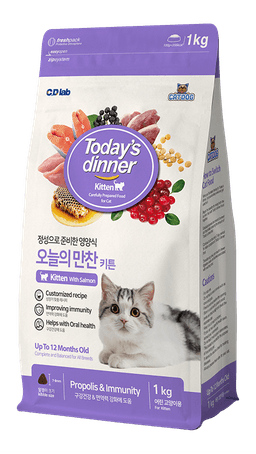
- Today's Dinner Kitten: crude protein ≥34%, with taurine and propolis extract, made by Farmsco (South Korea).
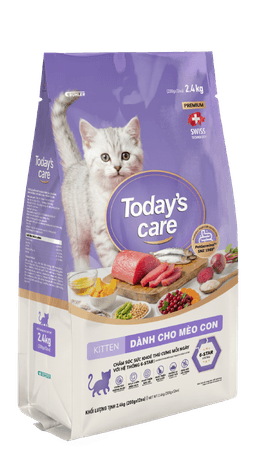
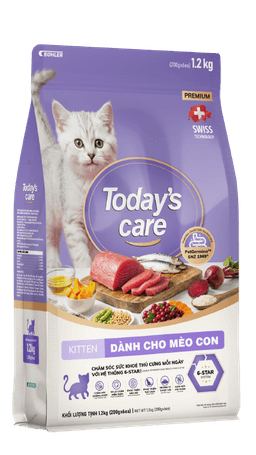
- Today's Care Kitten: crude protein ≥34%, 1 billion CFU of probiotics for gut care, DHA and EPA to support brain development, flavor from French meat and shrimp protein, 200g pre-portioned packs.
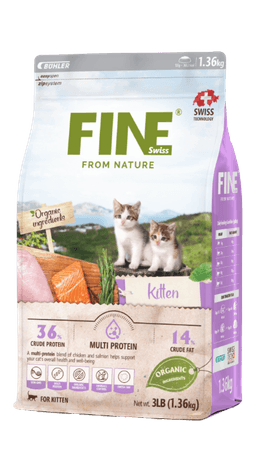
- FINE Kitten: premium organic, ≥36% crude protein, 14% crude fat, small ~6.5mm kibble for kitten mouths.
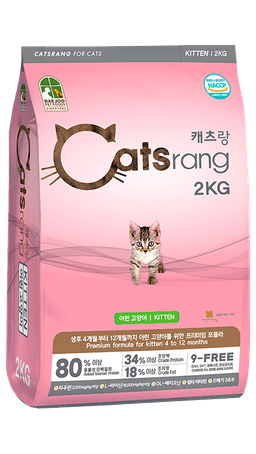
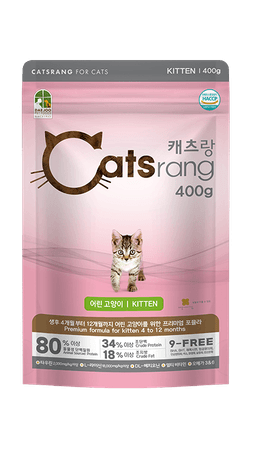
- Catsrang Kitten, Cat's Eye can be used from 3 months of age and Wonder Cats from 4 months; both are standard-tier.
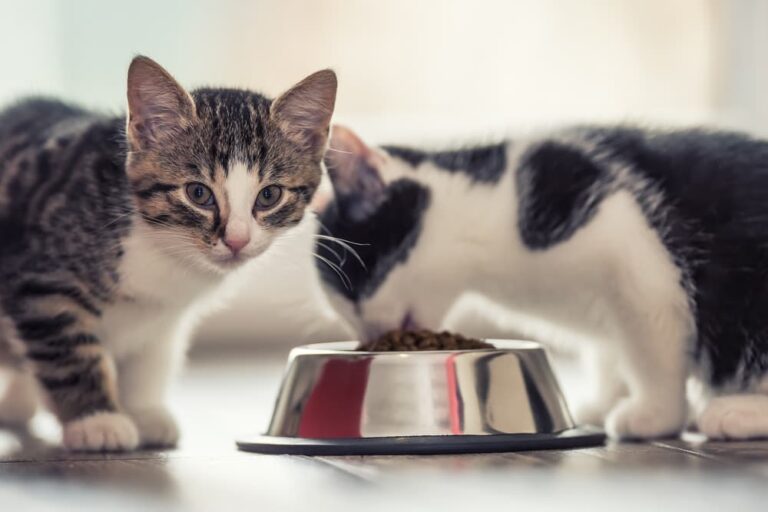
Kitten eating kitten kibble
Quick comparison of kitten kibble
Brand | Tier | Suitable age | Crude protein | Highlights | Reference retail price |
Today's Dinner Kitten | Standard | Under 12 months | ≥34% | Propolis, taurine, higher protein and fat than adult formulas | 1kg: 153,000 VND |
Today's Care Kitten | Affordable premium | Under 12 months | ≥34% | 1 billion CFU of probiotics, DHA and EPA to support brain development | 1.2kg: 205,000 VND; 2.4kg: 385,000 VND |
FINE Kitten | Premium, organic | 3–12 months | ≥36% | Small 6.5mm kibble | 1.36kg: 462,000 VND |
Reference retail prices follow the price list effective from 1 September 2026; actual prices may vary by sales channel and promotions.
Which kitten kibble from which age?
Kitten's age | Products | Notes |
From 3 months | Catsrang Kitten, Cat's Eye, ALO | According to the age printed on the product. |
From 4 months | Wonder Cats (4 – 11 months), Today's Dinner Kitten (4 – 12 months) | According to the age printed on the product. |
Under 12 months | FINE Kitten, Today's Care Kitten | According to the age printed on the product. |
How much should a kitten eat?
Daily amounts differ by product and by the kitten's weight, so follow the feeding guide on the pack. A more detailed reference by age and weight is in the article Cat food portion chart. Divide the total into 3–4 small meals and follow the weight-monitoring table below to adjust.
What should kittens not eat?
- Cow's milk: it easily causes diarrhea because of lactose intolerance.
- Human food, salty food, onions, garlic and chocolate (see What cats can and cannot eat).
- Dog food and adult cat food as the main meal.
- Raw meat, fish and eggs.
Signs a kitten is eating enough and growing well
- Gaining weight steadily according to the weighing schedule in the table below.
- Active, nurses or finishes the portion.
- Firm, formed stool, no diarrhea.
- Glossy coat, bright eyes.
Age | How often to weigh |
0–4 weeks | Weigh daily |
From week 5 | Weigh weekly |
Quick reference: what to feed a kitten at each age
Age | What to feed | Dry kibble? | Meals / feeding schedule |
First week | Mother's milk or a milk replacer made for kittens | No | Orphaned kittens: every 2–4 hours |
After the first week to about 4 weeks | Mother's milk or a milk replacer made for kittens | No | Orphaned kittens: every 4–6 hours |
About 4–8 weeks | Thin gruel from wet food or mashed kitten kibble, with milk, moving gradually to soft food | Not yet; only soaked, mashed kibble | Gradually less milk, more soft food |
About 8 weeks to 3 months | Weaning complete (about 8–10 weeks); wet food, soaked kitten kibble, dry kibble gradually if the label allows | Depends on the product label | 4 meals |
3–4 months | Kitten kibble, moving gradually from soaked to dry | Yes, according to the label | 3–4 meals |
4–12 months | Kitten kibble | Yes | 3 meals, gradually down to 2–3 meals |
Over 12 months | Adult cat food, switched over 7–10 days | Yes | 2–3 meals |
Frequently asked questions
Can a 2-month-old kitten eat kibble? Many 2-month-old kittens can eat soaked kitten kibble, but switching to dry kibble should be gradual and follow the label: some products are only for kittens from 3 months. Under 3 months, choose a product that clearly states it suits this age or ask a vet.
How many meals a day does a kitten need? Orphaned kittens nurse every 2–4 hours in the first week, then every 4–6 hours until weaning. During weaning, milk decreases and soft food increases. On kitten food: 4 meals at 2–4 months, with 3–4 meals from the third month, then 3 meals and gradually 2–3 meals at 4–12 months.
What milk can kittens drink? Only mother's milk or a milk replacer made for kittens, never cow's milk.
When should a kitten switch to adult cat food? At about 12 months, gradually over 7–10 days, as described in How to transition your cat's food.
When should you see a vet?
Take the kitten to a vet if it refuses food, vomits, has diarrhea, is lethargic or is not gaining weight. Kittens dehydrate and develop low blood sugar very easily, so do not wait too long. See also: What to do when your cat stops eating.
Choose the right age: products labeled for 3 months and up should only be used once the kitten is 3 months old. For kittens under 3 months, ask a vet before feeding kibble.
In short, what a kitten eats depends on age: milk until about 4 weeks, weaning from 4–8 weeks and kitten food from about 8 weeks, moving gradually to dry kibble according to the product label. Monitor weight regularly (daily for the first 4 weeks, weekly afterwards) and choose products suited to the kitten's age.
Source: VCA Animal Hospitals, guide to feeding orphaned kittens.

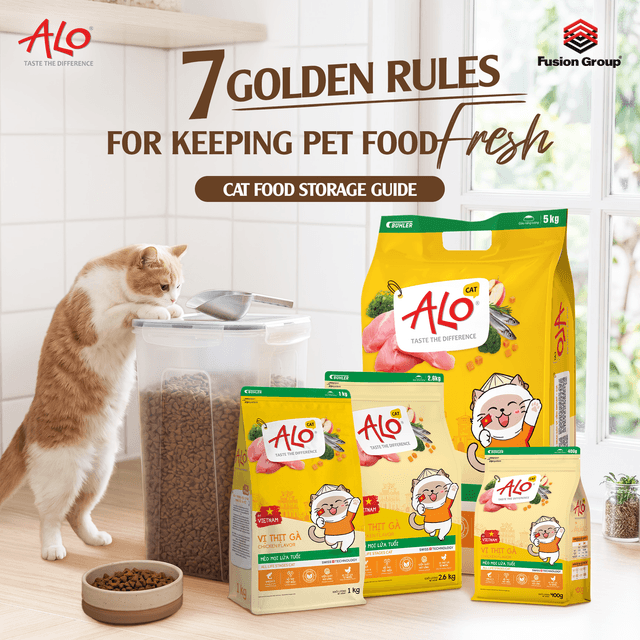
Cat food storage guide: 7 golden rules keeping pet food fresh

Signs Of Allergic Dermatitis In Dogs: How to Choose the Right Food

L-Lysine for Cats: Benefits, Uses & How to Supplement It Safely

Today's dinner: Nutritionally Balanced Kibble for Dogs and Cats

Cat Food: The Definitive Guide to Choosing Dry Kibble

Puppy Food: 7 Key Tips for Choosing the Right Kibble for Your Pup

Hairball Control Cat Food and How to Reduce Hairballs Effectively

FINE Pet Food: Safe for Dogs & Cats, Allergy-Friendly

Is Organic Dog Food Good for Dogs? What You Need to Know

Dog Food: What to Consider When Choosing
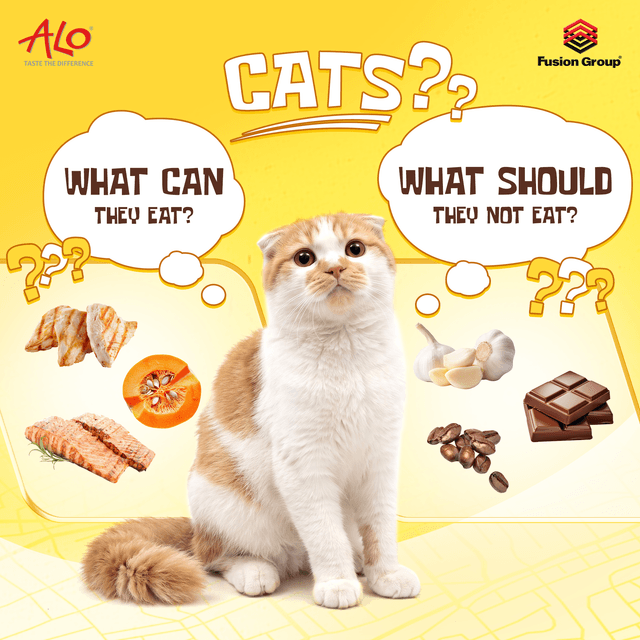
What Can and Can’t Cats Eat? A Must-Know List for Cat Owners

Is Catsrang Cat Food Good?
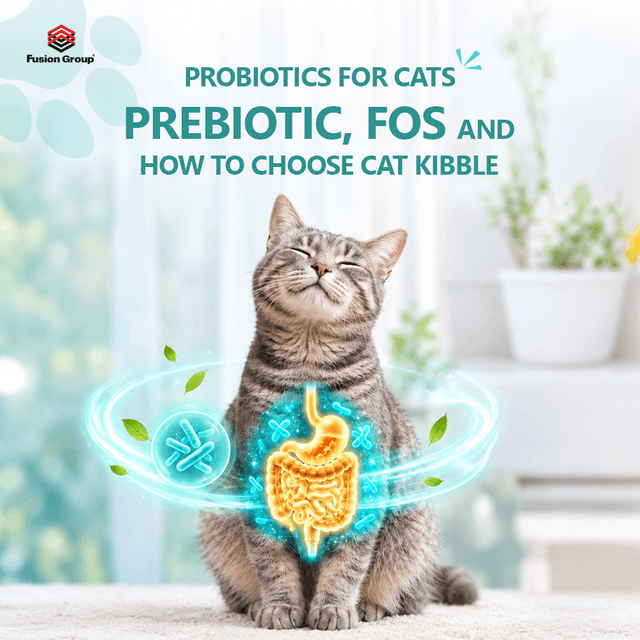
Probiotics for Cats: Prebiotics, FOS, and How to Choose Cat Kibble

Omega-3 for Cats: Benefits, How to Choose, and Recommended Products

Wonder Cats Products and Prices: A Dry Cat Food Guide

Taurine For Cats: Role, Requirements & How To Supplement It Correctly

How Much Dry Food Should You Feed Your Cat? Feeding Portions by Weight
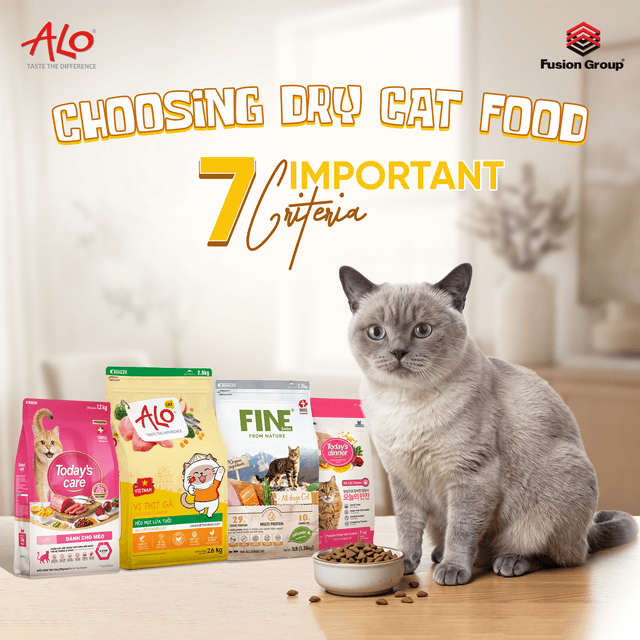
How to Choose Cat Kibble: 7 Key Criteria and How to Read Labels