logo
    certification
    FacebookYouTubeLinkedInInstagramX
    Fusion Group Company LimitedBusiness Registration No: 0106860781 – Issued by Hung Yen DPI on May 15, 2015
    CONTACT
    Head office: Lot CN1 – Yen My Industrial Park, Yen My Commune, Hung Yen Province, VietnamHotline: 1900-0332 | 02436367676Email: info@fusiongroup.vn

    About Us

    • About Company
    • Message From CEO
    • ODM/OEM

    NEWS

    • Company News
    • Pet Care
    • FAQs

    POLICY

    • Terms & Conditions
    • How to Order
    • Payment Methods
    • Shipping Policy
    • Return & Refund Policy
    • Privacy Policy
    Copyright © Fusion Group Co., Ltd. 2026. All Rights Reserved.
    logo
    Fusion Group Company LimitedBusiness Registration No: 0106860781 – Issued by Hung Yen DPI on May 15, 2015
    CONTACT
    Head office: Lot CN1 – Yen My Industrial Park, Yen My Commune, Hung Yen Province, VietnamHotline: 1900-0332 | 02436367676Email: info@fusiongroup.vn

    About Us

    • About Company
    • Message From CEO
    • ODM/OEM
    certification
    FacebookYouTubeLinkedInInstagramX

    POLICY

    • Terms & Conditions
    • How to Order
    • Payment Methods
    • Shipping Policy
    • Return & Refund Policy
    • Privacy Policy
    Recruitment
    Recruitment
    Banner background
    nextHome
    News
    Pet Care
    Dog Obesity: Causes, Symptoms & Effective Weight Loss Tips

    Dog Obesity: Causes, Symptoms & Effective Weight Loss Tips

    1784048400

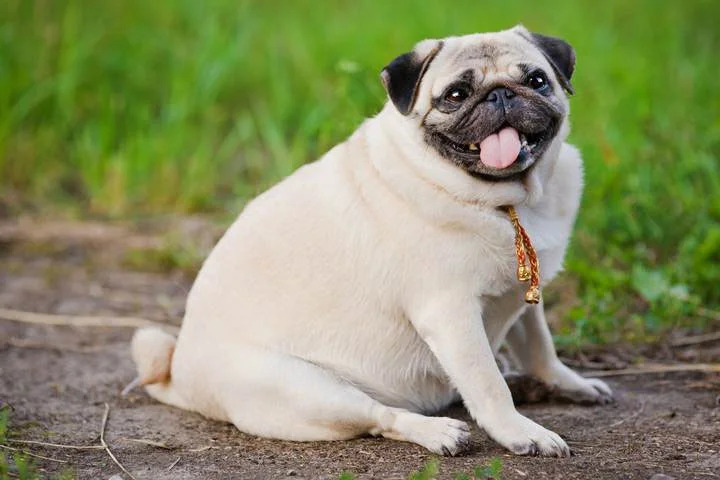
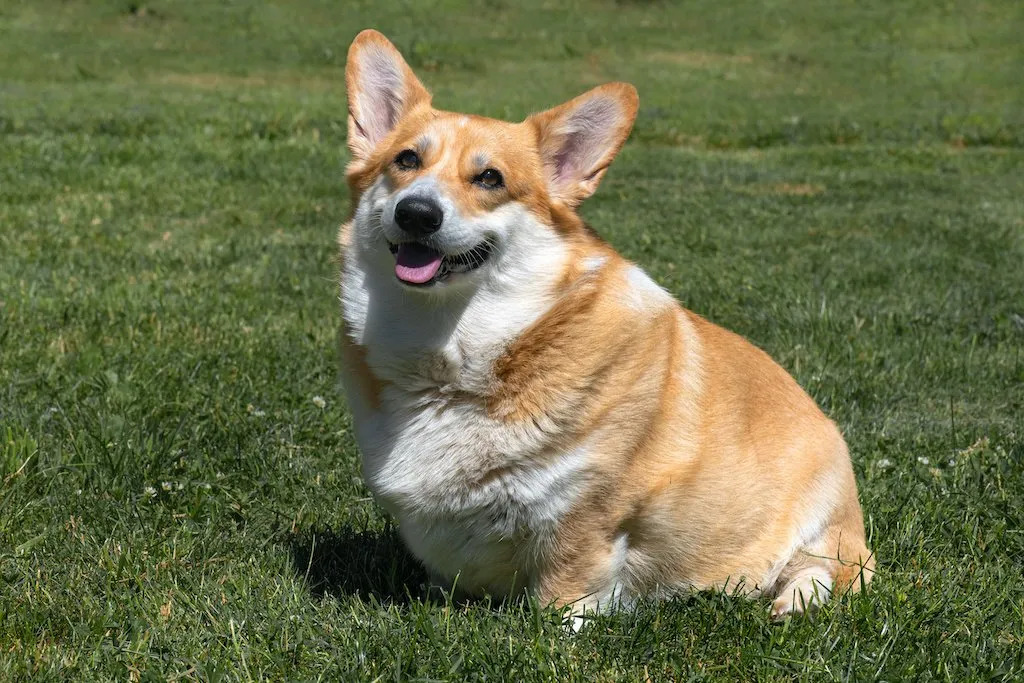
    Dog obesity is one of the most common health problems in pets today. According to the Association for Pet Obesity Prevention (APOP), more than 50% of adult dogs are overweight or obese. While a chubby dog may look adorable, excess body fat can lead to diabetes, heart disease, joint problems, and a shorter lifespan. A dog is generally considered obese when its body weight is 15–20% above its ideal weight. The good news is that obesity can be prevented and managed through proper nutrition, regular exercise, and routine weight monitoring.
    What Causes Dog Obesity?

    Dog obesity develops when calorie intake exceeds calorie expenditure over time. The most common causes include:

    Overfeeding

    Feeding large portions, giving too many treats, or sharing human food can quickly increase your dog's daily calorie intake. High-fat diets with low fiber also contribute to weight gain.

    Lack of Exercise

    Dogs that spend most of their time indoors or have little daily activity burn fewer calories. Without enough exercise, excess energy is stored as body fat.

    Aging and Neutering

    As dogs get older or after being neutered, their metabolism slows down. If food intake remains the same, they are more likely to become overweight.

    Medical Conditions

    Some health conditions, such as hypothyroidism or Cushing's disease, can also cause abnormal weight gain. If your dog gains weight suddenly, consult your veterinarian.

    Signs of an Overweight Dog

    Early detection makes weight loss easier and more effective.

    Common signs include:

    1. No visible waist when viewed from above
    2. Ribs are difficult to feel
    3. A rounded body shape or sagging belly
    4. Panting after light activity
    5. Low energy and reduced willingness to exercise
    6. Rapid weight gain

    Veterinarians often use the Body Condition Score (BCS) to evaluate body fat. A score of 4–5 out of 9 is considered ideal, while 7–9 indicates overweight or obesity.

    Why Is Dog Obesity Dangerous?

    Obesity affects much more than your dog's appearance. Excess weight places additional stress on the heart, lungs, liver, and joints, increasing the risk of several chronic diseases.

    Common obesity-related conditions include:

    1. Osteoarthritis and joint pain
    2. Heart disease
    3. Diabetes
    4. Fatty liver disease
    5. Respiratory problems
    6. Reduced mobility

    Research from the Purina Life Span Study found that dogs maintained at a healthy weight may live up to nearly two years longer than overweight dogs. Keeping your dog at an ideal weight is one of the best ways to improve both health and longevity.

    How to Help an Overweight Dog Lose Weight

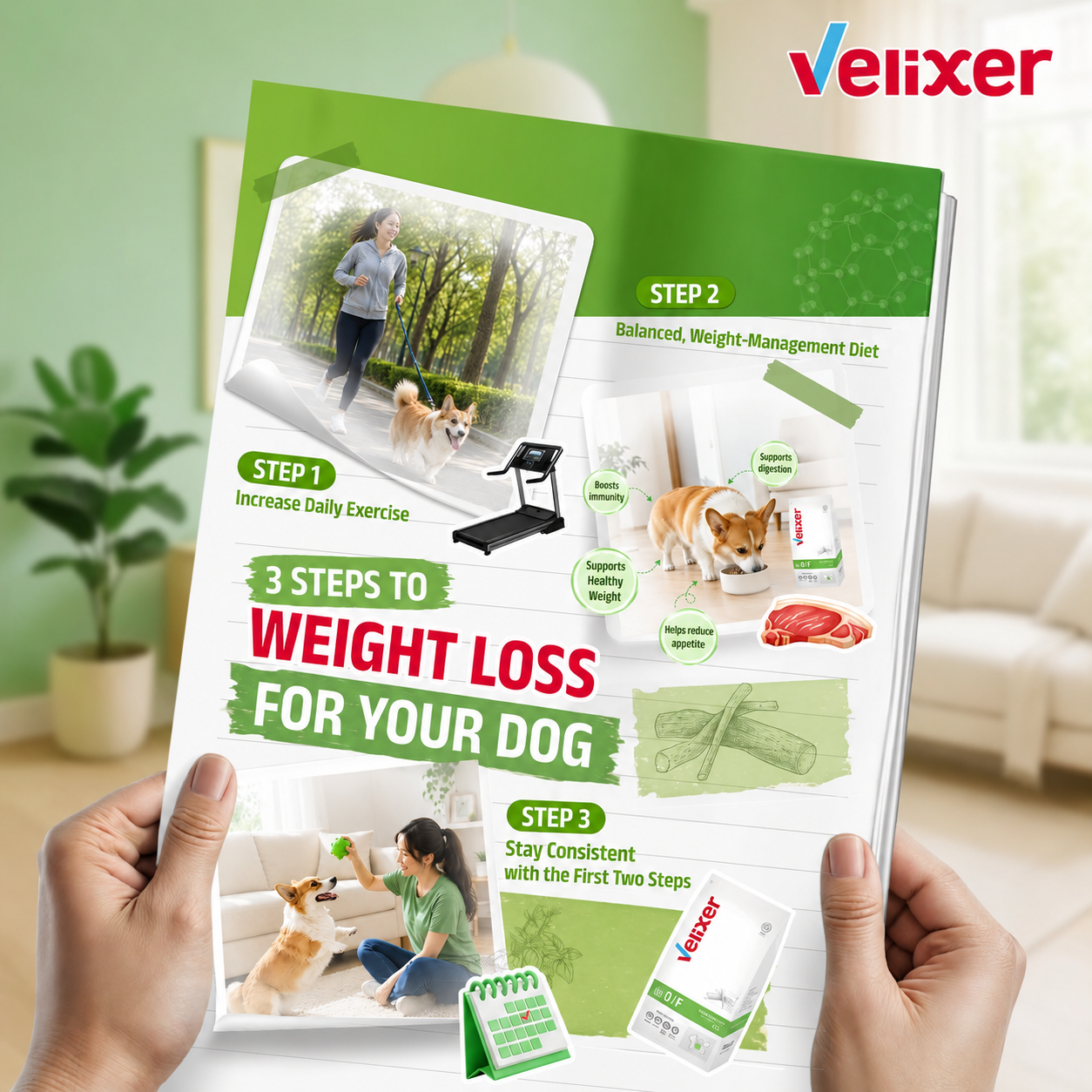
    Helping an overweight dog lose weight requires a combination of proper nutrition, regular exercise, and consistent monitoring. Aim for gradual weight loss of 1–2% of your dog's body weight per week, as rapid weight loss may affect overall health.

    Adjust Your Dog's Diet

    Nutrition is the foundation of healthy weight management. To support safe dog weight loss, you should:

    1. Measure food portions accurately.
    2. Limit treats and avoid feeding table scraps.
    3. Divide meals into smaller portions throughout the day.
    4. Choose a weight management dog food that is lower in calories but rich in essential nutrients.

    A balanced diet helps reduce body fat while maintaining muscle mass and energy levels.

    Choose the Right Weight Management Dog Food

    The best dog food for weight loss should provide complete nutrition while helping reduce calorie intake. A veterinary-formulated diet can help overweight dogs lose weight safely without compromising their nutritional needs.

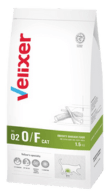
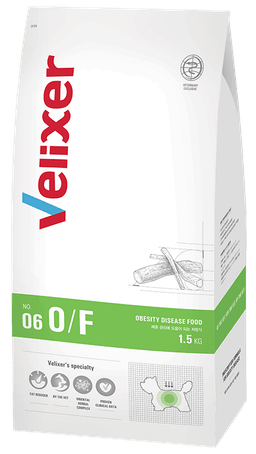
    Velixer O/F Obesity Disease Food is specially formulated for overweight and obese dogs. Its balanced formula supports healthy weight management while providing the nutrients dogs need to stay active.
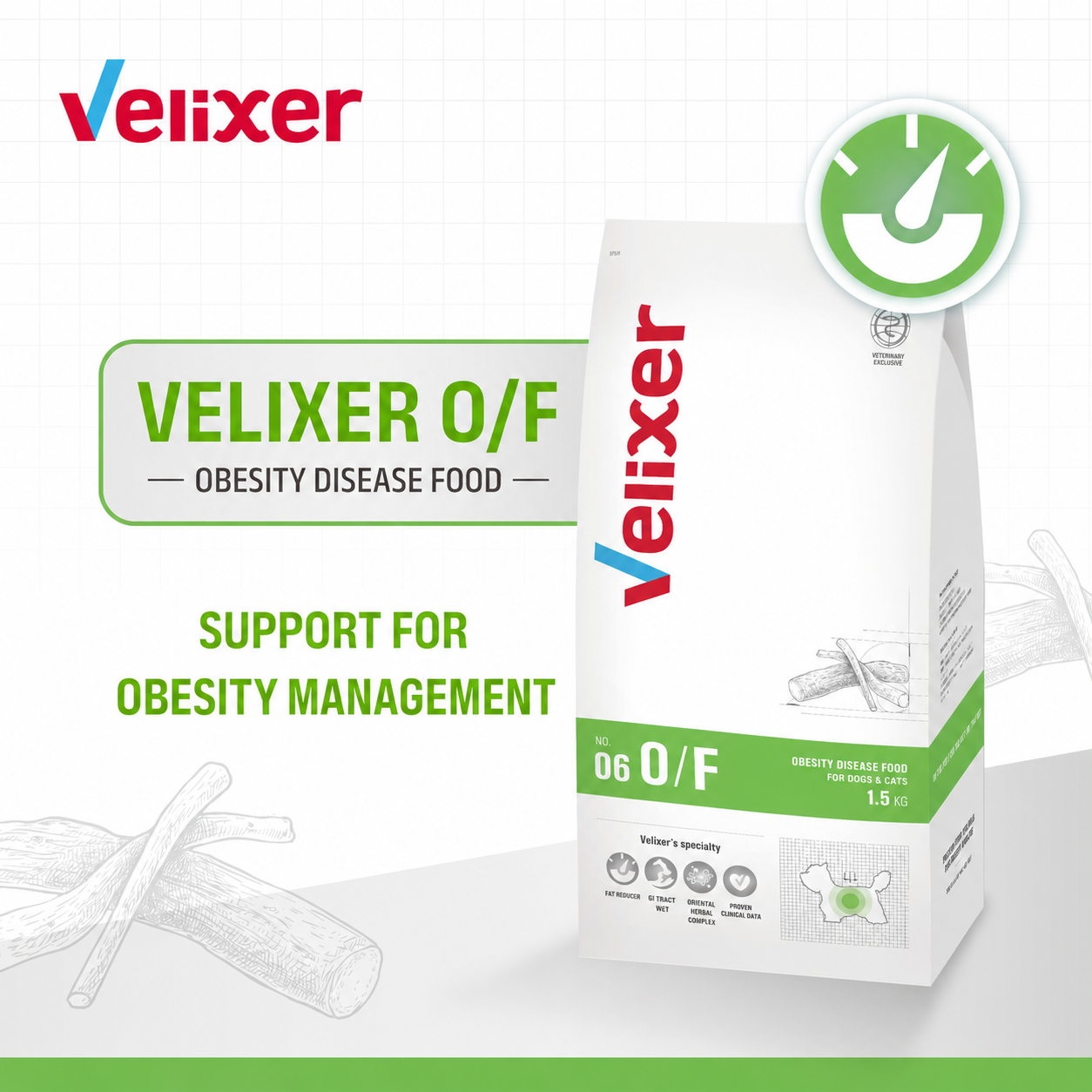
    Key functional ingredients include:

    1. Celastrol to help regulate appetite.
    2. L-Carnitine to support fat metabolism.
    3. DL-Methionine to promote healthy liver function.
    4. Achyranthes Root Extract to support joint health.
    5. Turmeric and Grapefruit Seed Extract to help maintain immune health.
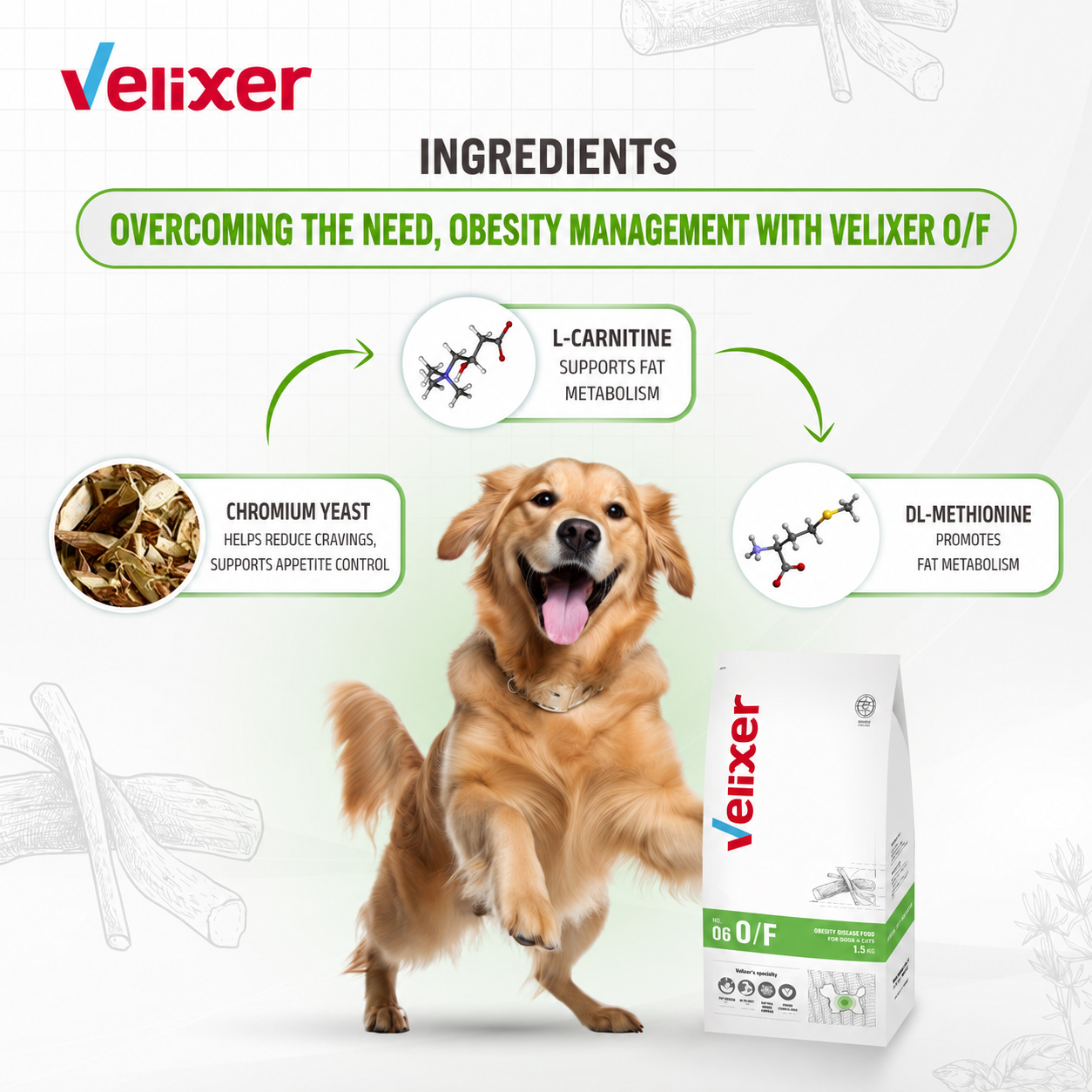
    Combined with proper feeding and exercise, Velixer O/F can support long-term weight management and overall well-being.

    Encourage Daily Exercise

    Exercise helps dogs burn calories and improve muscle strength.

    Simple activities include:

    1. Walking for 20–30 minutes daily.
    2. Playing fetch.
    3. Swimming (if suitable for the breed).
    4. Interactive games and food puzzles.

    Increase exercise gradually based on your dog's age and physical condition.

    Tips for Preventing Dog Obesity

    Maintaining a healthy weight is easier than treating obesity. Follow these simple tips:

    1. Feed measured portions.
    2. Limit high-calorie treats.
    3. Exercise your dog every day.
    4. Monitor your dog's weight regularly.
    5. Visit your veterinarian for routine health checks.

    Small lifestyle changes can make a big difference in your dog's long-term health.

    Conclusion

    Dog obesity is a serious but manageable condition. A balanced diet, regular exercise, and routine weight monitoring are the keys to helping your dog achieve a healthy weight and reduce the risk of obesity-related diseases. Choosing a specialized weight management dog food, such as Velixer O/F Obesity Disease Food, can further support safe and sustainable weight loss. If your dog is overweight or obese, consult your veterinarian to create a personalized weight management plan and ensure the best long-term health outcomes.
    Relevant Products
    product
    499.000 đ

    Velixer Cat - O/F - Therapeutic kibble for obesity management 1.5kg

    product
    494.000 đ

    Velixer Dog - O/F - Therapeutic support for obesity treatment 1.5kg

    Relevant News
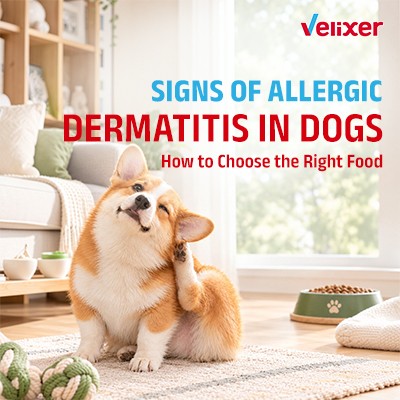
    Signs Of Allergic Dermatitis In Dogs: How to Choose the Right Food
    Signs Of Allergic Dermatitis In Dogs: How to Choose the Right Food

    1793076216
    Dog food for skin allergies: how to spot the signs, try an 8-week elimination diet, and choose the right food with your vet’s guidance.
    See more
    L-Lysine for Cats: Benefits, Uses & How to Supplement It Safely

    L-Lysine for Cats: Benefits, Uses & How to Supplement It Safely

    1792730084
    What is L-Lysine for cats, and what does it do? Learn about its role as an essential amino acid, how to provide it properly, and how to choose suitable cat food with Wonder Cats.
    See more
    Today's dinner: Nutritionally Balanced Kibble for Dogs and Cats

    Today's dinner: Nutritionally Balanced Kibble for Dogs and Cats

    1792727328
    What is Today's dinner? Explore Fusion Group's kibble for dogs and cats: 6 age-based lines, made in South Korea, with the 9FREE commitment.
    See more
    Cat Food: The Definitive Guide to Choosing Dry Kibble

    Cat Food: The Definitive Guide to Choosing Dry Kibble

    1792725827
    What should cat food contain? A guide to choosing dry food for kittens, adult cats and all life stages, with a real-world example from Today's dinner.
    See more
    Puppy Food: 7 Key Tips for Choosing the Right Kibble for Your Pup

    Puppy Food: 7 Key Tips for Choosing the Right Kibble for Your Pup

    1792660874
    How do you choose the right puppy food? 7 tips on protein, probiotics, grains, Ca/P and switching kibble so your puppy grows strong with less diarrhea.
    See more
    Hairball Control Cat Food and How to Reduce Hairballs Effectively
    Hairball Control Cat Food and How to Reduce Hairballs Effectively

    1792660712
    Does your cat keep bringing up hairballs? Learn how to choose hairball control cat food, the key ingredients to look for and care tips for peace of mind.
    See more
    FINE Pet Food: Safe for Dogs & Cats, Allergy-Friendly
    FINE Pet Food: Safe for Dogs & Cats, Allergy-Friendly

    1792641696
    Is FINE kibble good? Explore the brand, organic ingredients, Swiss Bühler technology, dog and cat lines, key strengths and what to consider before buying.
    See more
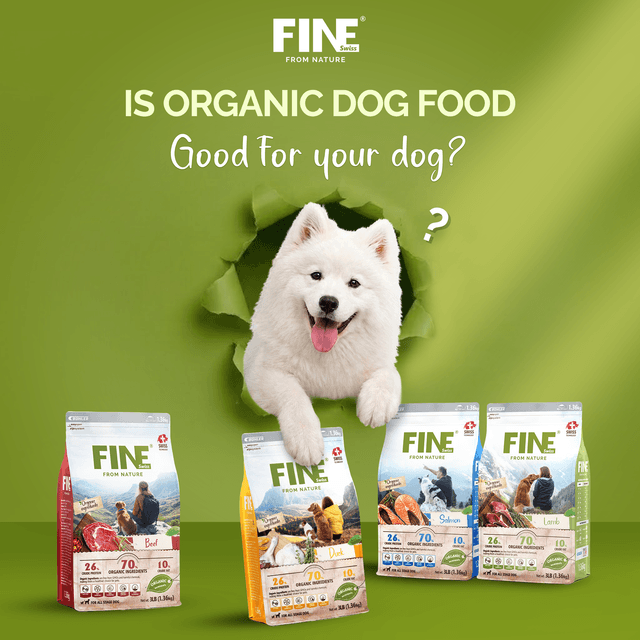
    Is Organic Dog Food Good for Dogs? What You Need to Know
    Is Organic Dog Food Good for Dogs? What You Need to Know

    1792558240
    What is organic dog food, is it better than regular food, and what should you watch for? Answers for owners, plus FINE organic kibble for dogs of all ages.
    See more
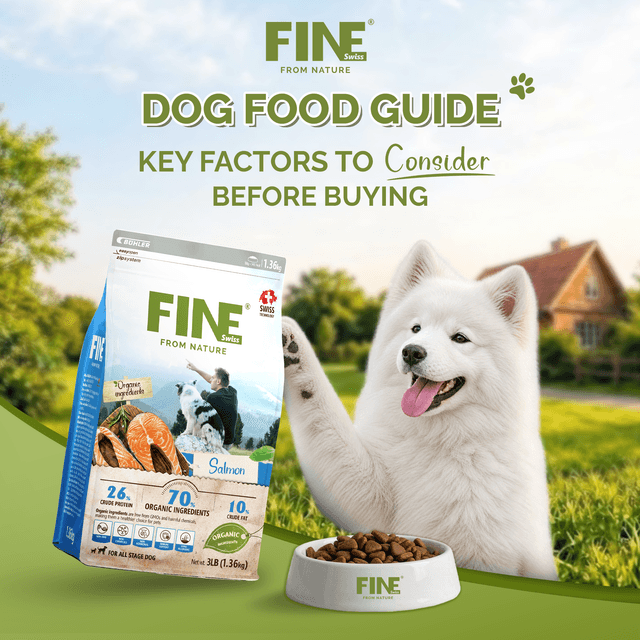
    Dog Food: What to Consider When Choosing
    Dog Food: What to Consider When Choosing

    1792489887
    How do you choose dog food? Learn to match food to your dog's age, read ingredient labels, set portions and switch safely, plus an organic all-ages pick.
    See more
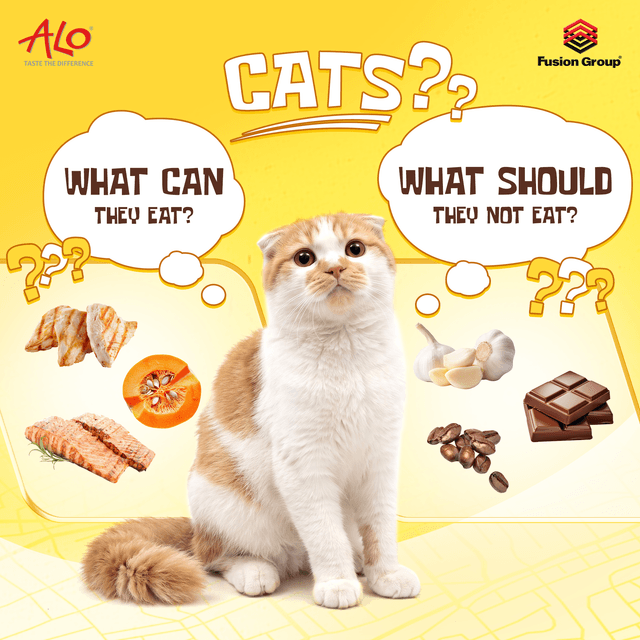
    What Can and Can’t Cats Eat? A Must-Know List for Cat Owners

    What Can and Can’t Cats Eat? A Must-Know List for Cat Owners

    1792488788
    Essential list of safe and toxic foods for cats: onions, garlic, chocolate, grapes... Learn proper feeding principles, emergency steps for toxicity, and complete nutrition solutions with ALO Cat food.
    See more
    Is Catsrang Cat Food Good?

    Is Catsrang Cat Food Good?

    1792487342
    A detailed review of Catsrang cat food: ingredient analysis, benefits for coat & gut health, product line breakdown (Kitten, Adult, All Life Stages), price list, and tips to buy authentic products from Fusion Group.
    See more
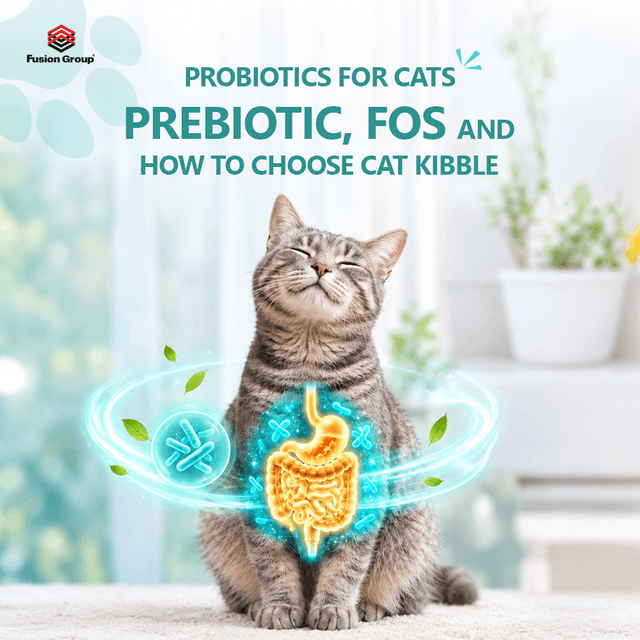
    Probiotics for Cats: Prebiotics, FOS, and How to Choose Cat Kibble
    Probiotics for Cats: Prebiotics, FOS, and How to Choose Cat Kibble

    1792484529
    A complete guide to probiotics for cats: understanding prebiotics, probiotics, and FOS. Learn how to choose digestive cat kibble featuring top brands like Catsrang, Wonder Cats, Today's Dinner & Today's Care.
    See more
    Omega-3 for Cats: Benefits, How to Choose, and Recommended Products
    Omega-3 for Cats: Benefits, How to Choose, and Recommended Products

    1792385973
    A complete guide to Omega 3 for cats: benefits of EPA, DHA & ALA for skin and coat. Learn to choose fish oil vs. flaxseed and explore top kibble picks like Cat's Eye, Wonder Cats, Today's Care & Catsrang.
    See more
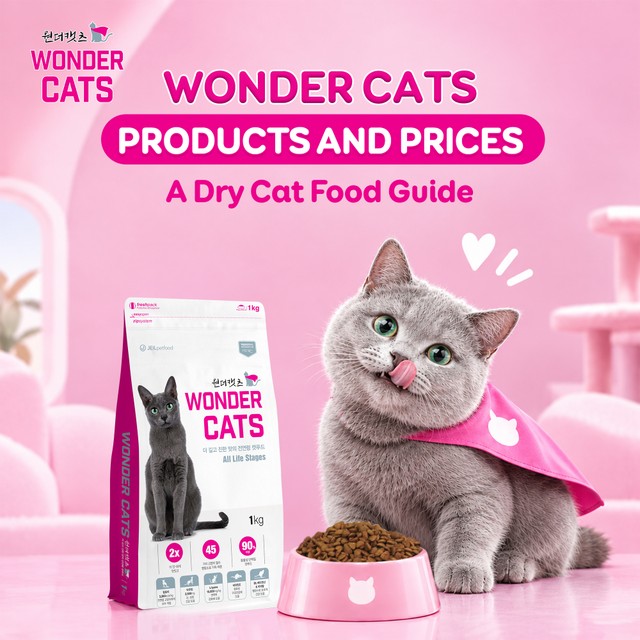
    Wonder Cats Products and Prices: A Dry Cat Food Guide

    Wonder Cats Products and Prices: A Dry Cat Food Guide

    1792382356
    Wonder Cats is a South Korean cat food brand offering dry cat food in 1 kg, 5 kg, and 15 kg packages. Explore Wonder Cats products, their key nutritional ingredients, and pricing information to find the right food for your feline companion.
    See more
    Taurine For Cats: Role, Requirements & How To Supplement It Correctly

    Taurine For Cats: Role, Requirements & How To Supplement It Correctly

    1792230279
    Learn why Taurine is essential for cats' vision, heart health & digestion. Discover AAFCO dosage standards, label reading tips, and top Taurine-fortified cat foods like ALO, Wonder Cats, and FINE.
    See more
    How Much Dry Food Should You Feed Your Cat? Feeding Portions by Weight
    How Much Dry Food Should You Feed Your Cat? Feeding Portions by Weight

    1792143868
    A comprehensive guide to calculating your cat's daily kibble intake by weight and life stage. Learn RER calorie formulas, explore portion charts, and get tailored feeding guidelines for Dry cat food brands imported by Fusion Group!
    See more
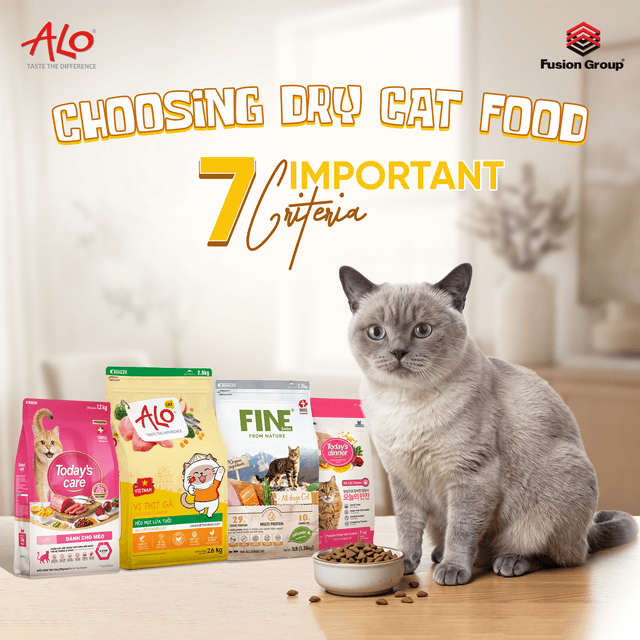
    How to Choose Cat Kibble: 7 Key Criteria and How to Read Labels
    How to Choose Cat Kibble: 7 Key Criteria and How to Read Labels

    1792137028
    A complete guide on how to choose dry cat food for optimal feline health. Discover a 7-step selection checklist, label reading tips, and expert recommendations covering ALO Cat, Today's Dinner, Today's Care, and FINE kibble lines!
    See more
    How to Choose Puppy Food: 5 Things to Check Before Buying
    How to Choose Puppy Food: 5 Things to Check Before Buying

    1792126113
    5 things to check on the label to pick the right puppy food, plus a quick comparison chart to use before you buy.
    See more
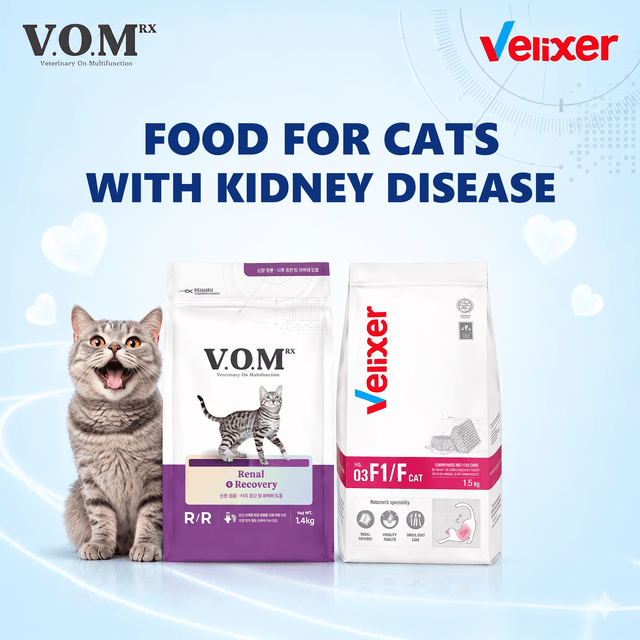
    Food for Cats with Kidney Disease

    Food for Cats with Kidney Disease

    1792057693
    A scientific guide to choosing cat food for kidney disease and renal failure. Learn 5 essential nutritional principles and explore top therapeutic diets: V.O.M RX Cat Renal + Recovery and Velixer Cat F1/F for optimal kidney support!
    See more
    Wonder Cats Review: Is Wonder Cats Dry Cat Food Good for Cats?

    Wonder Cats Review: Is Wonder Cats Dry Cat Food Good for Cats?

    1792054763
    Wonder Cats Review: Discover the benefits of Wonder Cats dry cat food, including animal protein, 45 essential nutrients, Taurine, L-Lysine, and key factors to consider when choosing cat food.
    See more