Cat food storage guide: 7 golden rules keeping pet food fresh
Storing cat food properly helps kibble stay crunchy and aromatic, and protects it from moisture, mold, insects and bacteria. This guide gives you a 7-rule checklist, a shelf-life table by brand, and tips for spotting spoiled food.
Quick checklist: 7 storage rules
- Keep it cool and dry: avoid direct sunlight, high temperatures and humidity.
- Seal it after opening: close the ziplock, fold the bag tightly shut, or use an airtight container.
- Keep the original bag: it carries the production date and expiry date; if you use a container, put the whole bag inside it.
- Use a dry scoop and dry hands: never pour fresh kibble on top of old kibble.
- Choose a bag size that matches your cat's appetite: so you finish it quickly after opening.
- Finish within 4–6 weeks of opening the bag.
- Check the smell and color of the kibble before every meal.
Table: how long does a bag last?
Bag size | Days of use for one 4 kg cat | Suggested for |
400g | About 7 days | Trial size, travel |
1kg | About 17 days | Households with 1 cat |
2.6kg | About 43 days | Households with 1–2 cats |
5kg | About 83 days | Multi-cat homes; split into smaller portions |
Estimates are based on a 4 kg cat eating about 60g per day; with 2 cats, the bag lasts half as long. For feeding amounts by body weight, see our Cat Food Feeding Chart.
Shelf life and storage after opening, by brand
The expiry date printed on the package applies to unopened bags. Once opened, kibble is exposed to air and moisture, so it should be used up faster.
Brand | Shelf life | Storage after opening |
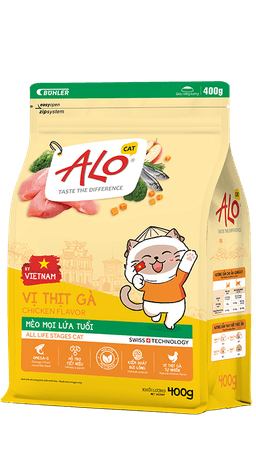
ALO | 18 months from production date | Press the ziplock fully shut, fold the bag opening tightly, or transfer to a dedicated container |
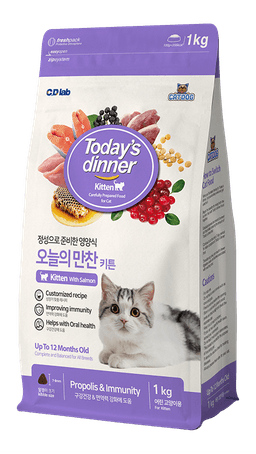
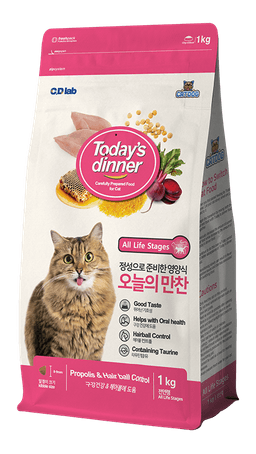
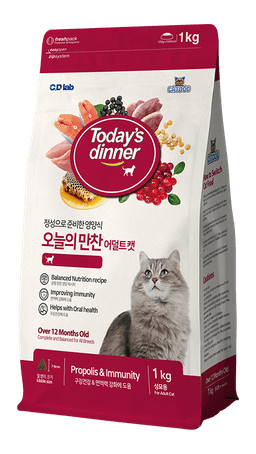
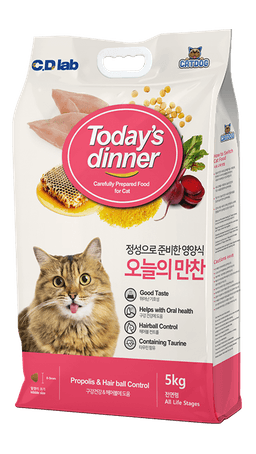
Today's Dinner | 18 months from production date | Reseal the package tightly after opening |
FINE | 18 months from production date | Reseal the package tightly after opening |
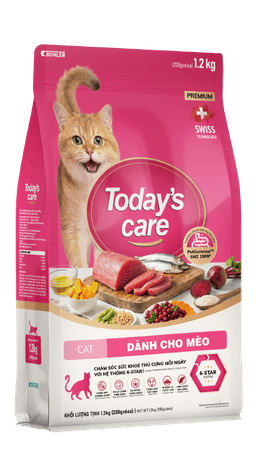
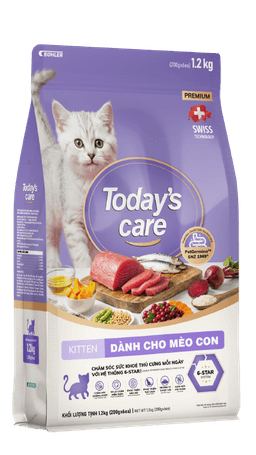
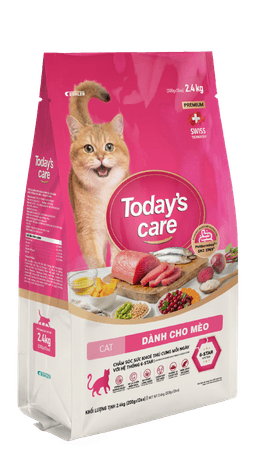
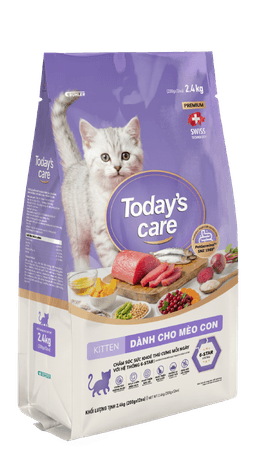
Today's Care | 18 months from production date | Store in a cool, dry place; comes in pre-portioned 200g pouches |
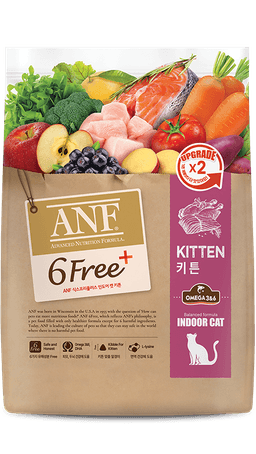
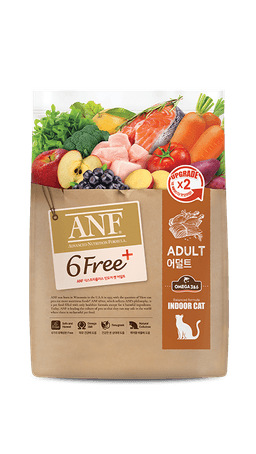
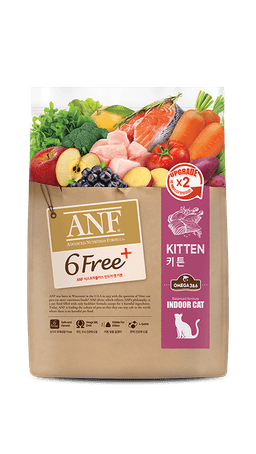
ANF 6Free+ | 18 months from production date | Reseal after every scoop; keep away from heat and water sources |
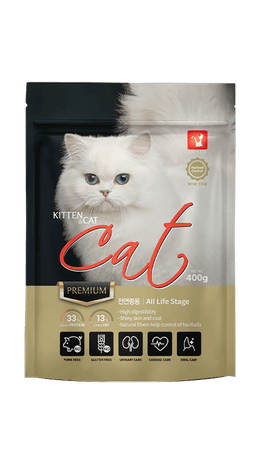
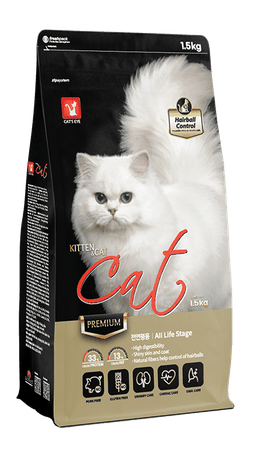
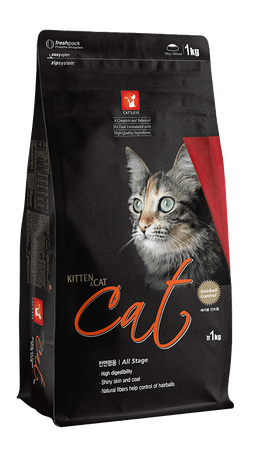
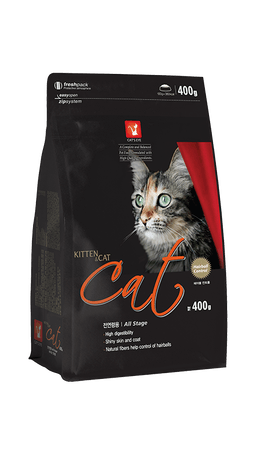
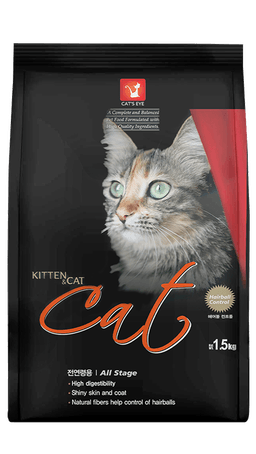
Cat's Eye | 18 months from production date | Press the ziplock firmly shut, fold the bag opening tightly, or use a container with a rubber seal |
Wonder Cats | See the date printed on the package | Close the bag opening tightly or transfer the kibble to an airtight container |
Do's and don'ts of storing cat food
Do | Don't |
Store in a cool, dry place away from the stove and sunny windows | Leave it on a balcony, in a car, or near water |
Reseal immediately after each scoop | Leave the bag open overnight |
Wash and dry the container completely before refilling | Pour fresh kibble on top of leftover old kibble |
Choose a bag size that suits your cat's appetite | Buy a huge bag for a single cat and use it over several months |
Check the production date when buying | Buy bags that are torn, bloated or damp |
How to choose a cat food container
- Choose a container with an airtight lid, made from food-safe material.
- Make sure it is completely clean and dry before pouring in the kibble.
- Pick a size that fits the bag you buy, so there is little empty space holding air.
- If you buy large bags, divide the kibble into smaller containers or zip bags and open them one at a time.
Signs that cat food has gone bad
- A rancid, sharp or unusual smell.
- Kibble that clumps, feels soft and damp, or has lost its crunch.
- Discoloration, visible mold spots or insects.
- Your cat suddenly refuses to eat, vomits or has diarrhea after eating from that bag.
If you suspect the kibble has spoiled, throw away the whole bag, do not mix it with fresh kibble, and keep the packaging so the production batch can be checked. If your cat has stopped eating, see our article Why Is My Cat Not Eating?
Choosing pack sizes that make storage easier
- ALO Cat comes in 400g (suggested retail price 58,000 VND) and 1kg (126,000 VND) packs for single-cat homes; the 20kg bag is actually packed from 1kg or 400g packs, which makes it easy to split up in multi-cat homes.
- Today's Care comes in 1.2kg and 2.4kg bags pre-divided into 200g pouches, so you only open one pouch at a time and the kibble stays crisp and aromatic.
Frequently asked questions
Should I keep cat food in the fridge? No need. Condensation can form when you take the kibble out, which may make it damp.
How long can opened cat food be kept? Aim to finish it within about 4–6 weeks, so choose a bag size that matches your cat's appetite.
Can I pour the kibble into a container and throw away the bag? It is best to keep the original bag, or at least take a photo of the production date, expiry date and batch code for reference.
Can my cat eat kibble that is 1–2 months past its expiry date? We don't recommend it. Expired kibble may turn rancid, lose nutritional quality and upset digestion.
When should you ask a veterinarian?
If your cat vomits, has prolonged diarrhea, seems lethargic or stops eating after eating from a bag you suspect is damp or moldy, stop feeding that bag, keep the packaging and a sample of the kibble, and take your cat to the vet.
In short: remember three things when storing cat food: keep it cool and dry, seal it after every use, and choose a bag size that matches your cat's appetite.




Signs Of Allergic Dermatitis In Dogs: How to Choose the Right Food

L-Lysine for Cats: Benefits, Uses & How to Supplement It Safely

Today's dinner: Nutritionally Balanced Kibble for Dogs and Cats

Cat Food: The Definitive Guide to Choosing Dry Kibble

Puppy Food: 7 Key Tips for Choosing the Right Kibble for Your Pup
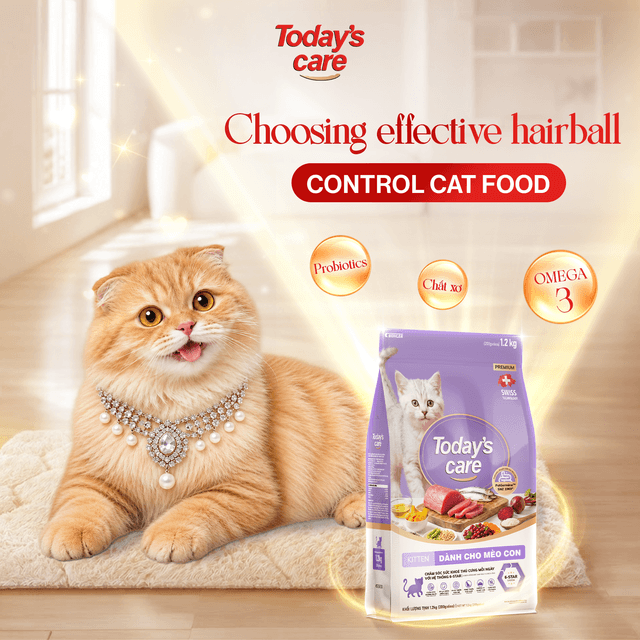
Hairball Control Cat Food and How to Reduce Hairballs Effectively
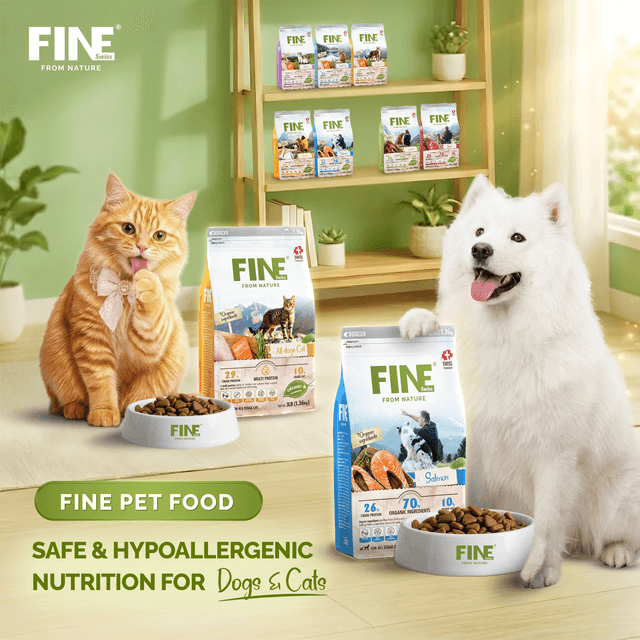
FINE Pet Food: Safe for Dogs & Cats, Allergy-Friendly

Is Organic Dog Food Good for Dogs? What You Need to Know
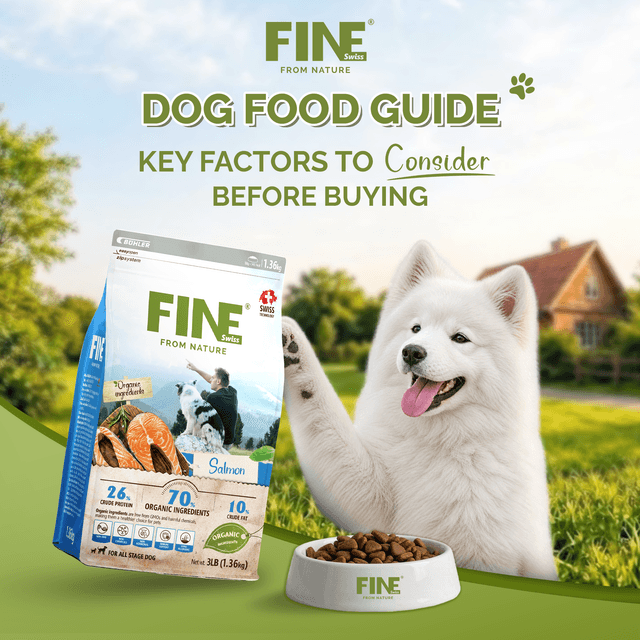
Dog Food: What to Consider When Choosing
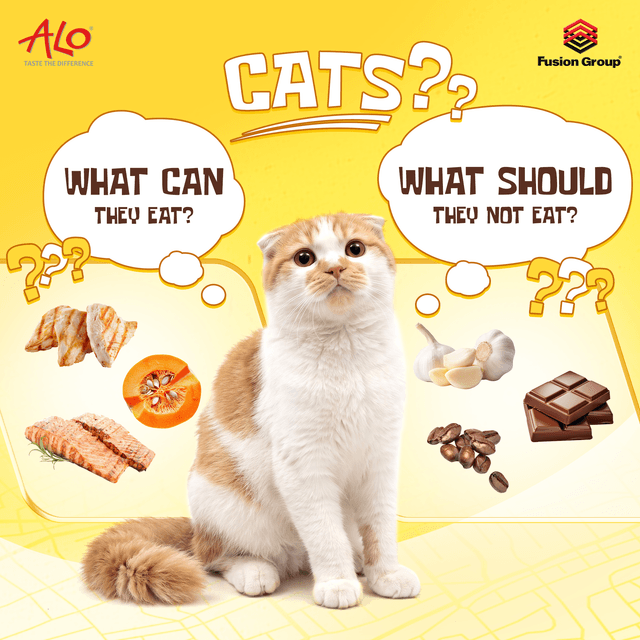
What Can and Can’t Cats Eat? A Must-Know List for Cat Owners

Is Catsrang Cat Food Good?
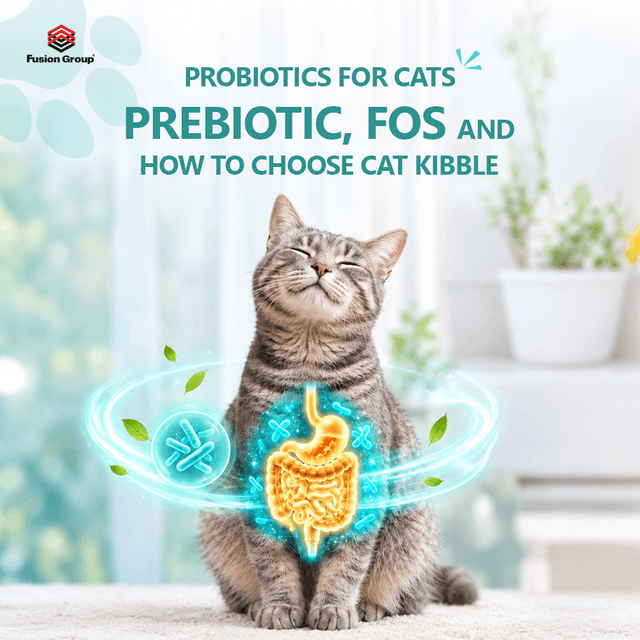
Probiotics for Cats: Prebiotics, FOS, and How to Choose Cat Kibble

Omega-3 for Cats: Benefits, How to Choose, and Recommended Products

Wonder Cats Products and Prices: A Dry Cat Food Guide

Taurine For Cats: Role, Requirements & How To Supplement It Correctly

How Much Dry Food Should You Feed Your Cat? Feeding Portions by Weight
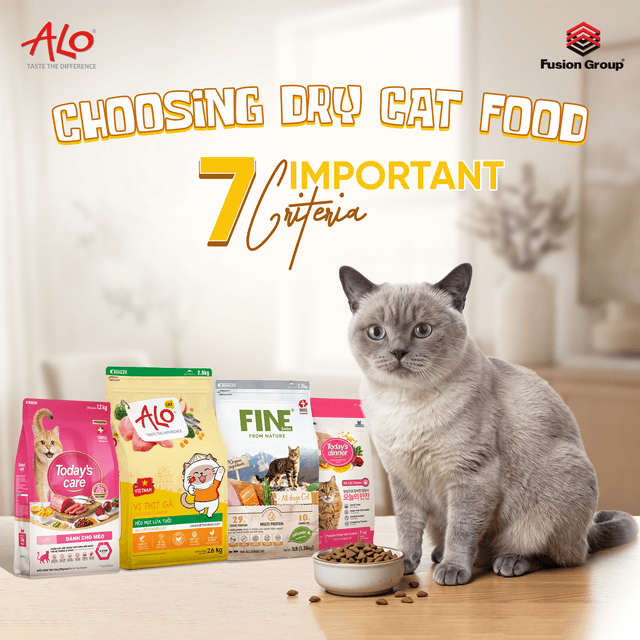
How to Choose Cat Kibble: 7 Key Criteria and How to Read Labels

How to Choose Puppy Food: 5 Things to Check Before Buying