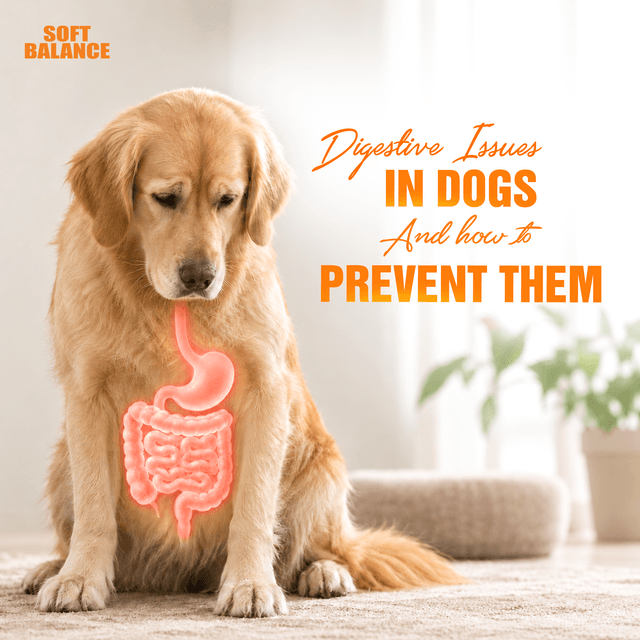
Intestinal diseases are extremely dangerous, and can even lead to death if not treated properly and promptly. Therefore, for dog owners, equipping themselves with knowledge about the disease and taking care of their pets is indispensable.
Learning about intestinal inflammation and how to properly treat it in dogs will help you get useful information. Refer to the article below!
1. What is intestinal inflammation in dogs?
Intestinal inflammation in dogs is a common disease, especially in small dog breeds with weak immune systems. It is estimated that out of 10 dogs with intestinal inflammation, 9 will die. However, the incubation period of intestinal inflammation is often quite long, so if you know the causes and symptoms of the disease, it will help your dog to be treated promptly and effectively.
2. Causes of intestinal inflammation in dogs
There are many causes of intestinal inflammation in dogs such as:
– Virus: Parvovirus, Care, virus causing infectious hepatitis, ...
– Bacteria: Coli, Leptospira, Salmonella
– Parasites, fungi
– Dogs eat dangerous toxins, eat spoiled food, indigestible food ...
3. Signs of intestinal inflammation in dogs
When sick, there will be diarrhea accompanied by vomiting, in this case it is often due to inflammation in the front part of the small intestine. When the animal shows abdominal pain, the inflammation may have spread to the large intestine.
When going to the toilet, the dog's stool has a phenomenon of loose stools with an unpleasant fishy smell and may be dark green or black due to bleeding in the back part of the large intestine. If the abdomen is distended, it may have a fever due to infection.
As for some dogs, there are signs of abdominal pain, at which time the pet will lie in a position with its front legs propped up, with a rumbling or slightly bloated stomach.
4. How to treat intestinal inflammation in dogs
Depending on each case and the stage of the disease, there will be different treatments:
* If the dog has diarrhea with vomiting
Giving pets water or medicine when the dog has diarrhea with vomiting is a mistake of many people. Because this only stimulates the dog to vomit more. In this case, you should treat by providing water by infusion. Can be injected subcutaneously, intravenously or intraperitoneally.
Treat by providing water by infusion. Infusion can be used as:
– Isotonic physiological solution: Saline physiological (NaCl 0.9%), sweet physiological (Glucose 5%), Lactate ringer.
– Hypertonic solution: Glucose 10%, 30%.
– Other supplementary solutions: Protein (Aminovit, Vimelyte-IV), minerals (Vime Canlamin, Calcium-Magnesium), vitamins (Hematopan-B, K, Babevit, Depancy, Vimekat,…).
Depending on the dog's dehydration status, the amount of infusion fluid may vary, usually fluctuating around 10 – 20ml/kg body weight. In some cases, the doctor may prescribe antibiotics to control diarrhea symptoms and prevent recurrent infections.
Antibiotics that can be used
Some antibiotics that can be used in conjunction to treat intestinal inflammation in dogs include: Atropin, Primperan, Anti-Scour, Vizyme, Amoxi 15% LA, Vimefloro FDP, Enroxic LA, Vitamin K, B.
When using any antibiotics or vitamins, you must consult your veterinarian first.
* If your dog is mildly dehydrated
If your dog is only mildly dehydrated without vomiting, it is simpler to give your dog water orally. By mixing an Electrolyte solution.
You should use a syringe with the needle removed to inject into the cheek in case the dog refuses to drink. Each time inject about 1-2ml/kg of the dog's body weight with a dose of 1 injection every hour.
During the treatment, you should feed your dog porridge, avoid greasy foods, fish until the dog recovers and the stool returns to normal; supplement with Vitamin B1, ADE B Complex to help increase the dog's resistance.
Refer to the product to support intestinal health in dogs: ANF Nature's Kitchen Grain Free Probiotics Recipe
To avoid more serious developments, you need to take your dog to see a veterinarian for an accurate diagnosis of the condition as well as the best treatment.



What Vegetables Can Cats Eat? 7 Safe Vegetables to Add Fiber to Your Cat’s Diet

Affordable Cat Litter: Safe, Effective Odor Control, and Budget-Friendly Options

Best Cat Food for Sensitive Stomach & Food Allergies: Top 5 Healthy Choices for Your Cat
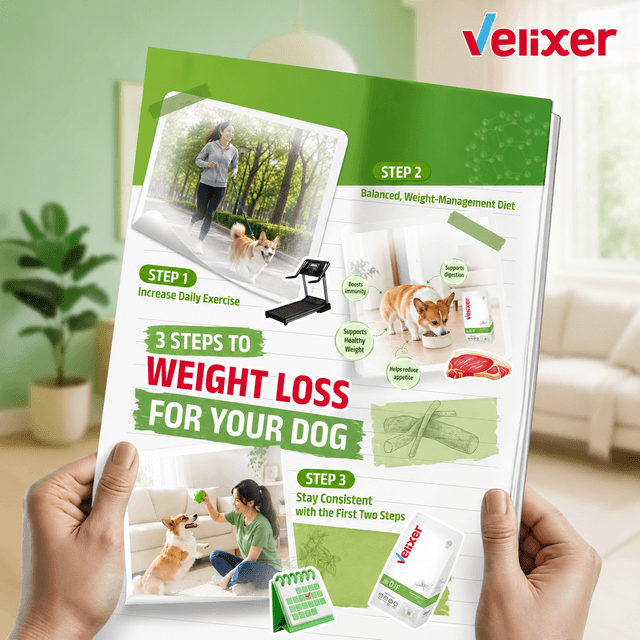
Dog Obesity: Causes, Symptoms & Effective Weight Loss Tips

Is Catsrang Cat Food Good? A Complete Review of This Popular Dry Cat Food
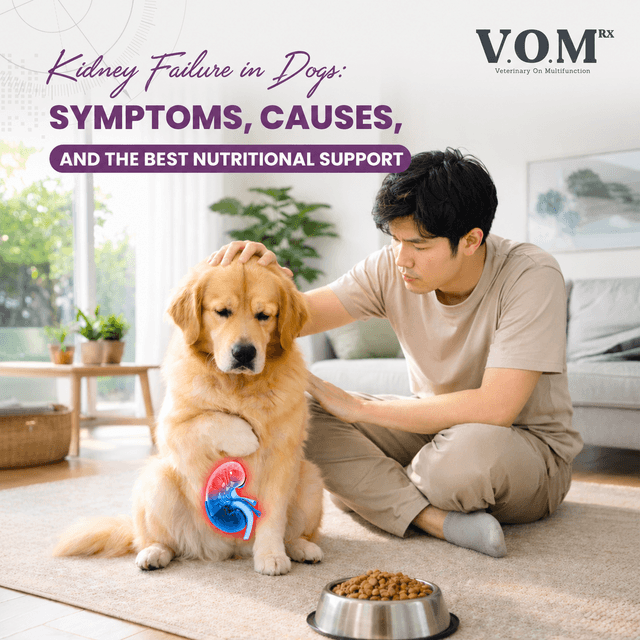
Kidney Failure in Dogs: Symptoms, Causes, and the Best Nutritional Support

ALO – A trusted Vietnamese pet food brand

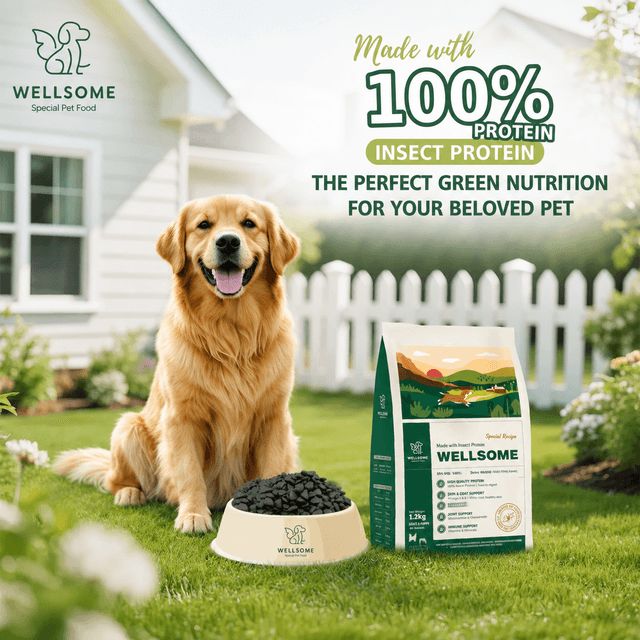
Wellsome – 100% Insect Protein Pet Food Leading the Green Nutrition Trend for Pets

Why Do Cats Get Hairballs? Signs, Causes, and Effective Prevention Tips
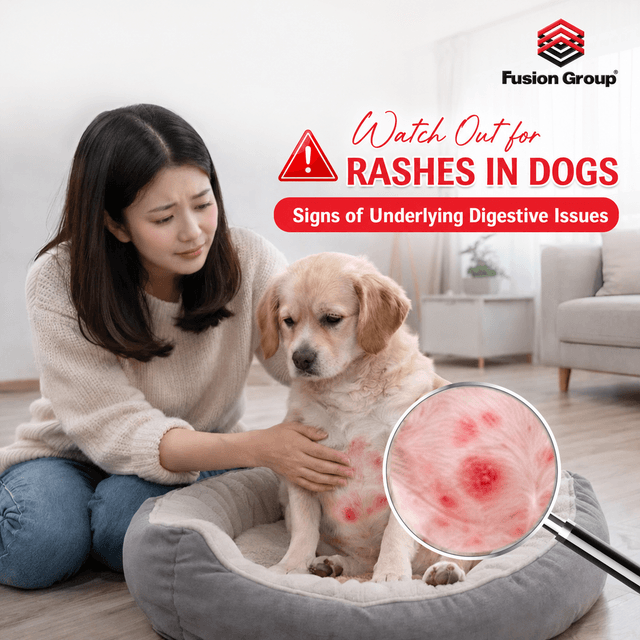

_1765521313.png&w=640&q=90)
Decoding the Ingredient List of Cat Kibble with Wonder Cats
_1762999038.jpg&w=640&q=90)